Samantha Lee
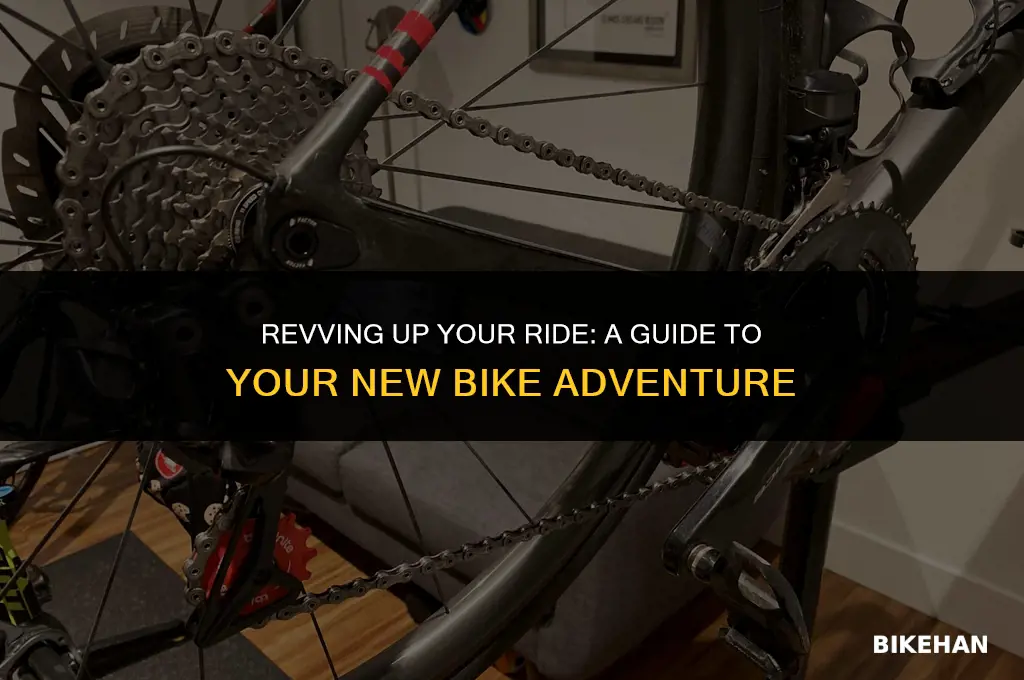
When you get a new bike, there are several steps you should take to ensure your safety and enjoyment. First, make sure the bike is properly assembled and adjusted to fit your body size and riding style. This includes checking the tire pressure, brake function, and gear shifting. Next, familiarize yourself with the bike's features and controls, such as the location of the brakes, gears, and any additional accessories like lights or reflectors. It's also important to wear appropriate safety gear, including a helmet, gloves, and reflective clothing. Finally, consider taking a test ride in a safe, controlled environment to get a feel for the bike's handling and performance. By following these steps, you can ensure a smooth and enjoyable transition to your new bike.
Explore related products




What You'll Learn
- Inspect the Bike: Check for any damage or issues with the bike's frame, tires, and brakes
- Adjust the Seat and Handlebars: Ensure a comfortable riding position by adjusting the seat height and handlebar alignment
- Lubricate the Chain: Apply lubricant to the bike chain to ensure smooth pedaling and reduce wear
- Inflate the Tires: Check tire pressure and inflate as needed for optimal performance and safety
- Test Ride: Take the bike for a short ride to ensure everything feels right and make any necessary adjustments

Inspect the Bike: Check for any damage or issues with the bike's frame, tires, and brakes
Before taking your new bike out for a spin, it's crucial to perform a thorough inspection to ensure it's in top condition. Start by examining the frame for any signs of damage or wear. Look for cracks, dents, or rust, especially around the joints and welds. If you notice any issues, it's best to address them before riding, as frame damage can compromise the bike's safety and performance.
Next, move on to the tires. Check the air pressure and look for any punctures, cuts, or embedded debris. Also, inspect the sidewalls for signs of wear or cracking. Proper tire inflation and condition are essential for a smooth and safe ride. If you find any damage, consider replacing the tire or having it professionally repaired.
The brakes are another critical component to inspect. Test the brake levers to ensure they're functioning properly and not sticking. Check the brake pads for wear and replace them if necessary. Also, inspect the brake cables for any signs of fraying or damage. If you're unsure about the condition of your brakes, it's best to have them checked by a professional mechanic.
In addition to these key areas, take a moment to inspect the bike's chain, gears, and pedals. Look for any signs of wear, rust, or damage, and lubricate the chain if needed. Ensure that the gears shift smoothly and that the pedals are securely attached.
By taking the time to thoroughly inspect your new bike, you can identify and address any potential issues before they become major problems. This not only ensures a safer and more enjoyable riding experience but also helps to prolong the life of your bike. Remember, regular maintenance is key to keeping your bike in top condition, so make it a habit to inspect your bike before each ride.
Choosing the Perfect Home Gym Equipment: Bike, Rower, or Treadmill?
You may want to see also
Explore related products


Adjust the Seat and Handlebars: Ensure a comfortable riding position by adjusting the seat height and handlebar alignment
To ensure a comfortable and safe riding experience, it's crucial to adjust the seat and handlebars of your new bike properly. Start by setting the seat height so that your feet can rest flat on the ground when seated, allowing for a slight bend in your knees. This position will provide stability and control when starting or stopping. Next, adjust the handlebars so that they are aligned with your seat, promoting an upright riding posture that reduces strain on your back and wrists.
When adjusting the seat height, consider the type of riding you'll be doing. For road biking, a higher seat position is often preferred to maximize leg extension and pedaling efficiency. Conversely, for mountain biking or casual riding, a slightly lower seat may be more comfortable and allow for better control over rough terrain.
Handlebar alignment is equally important. For a road bike, the handlebars should be positioned slightly below the seat height, encouraging a forward-leaning posture that improves aerodynamics and speed. For mountain bikes or hybrid bikes, the handlebars should be at or slightly above seat height, providing a more upright position for better visibility and control.
Remember to test your adjustments by taking a short ride around the block. Pay attention to any discomfort or strain in your neck, back, or wrists, and make further adjustments as needed. Properly setting the seat and handlebars not only enhances comfort but also improves safety by allowing you to maintain better control and visibility while riding.
Secure Your Ride: Choosing the Perfect Bike Lock for Urban Cyclists
You may want to see also
Explore related products
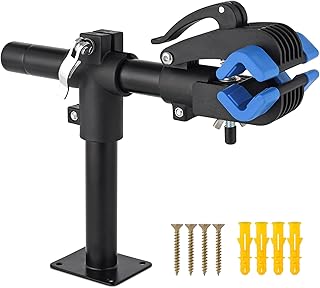


Lubricate the Chain: Apply lubricant to the bike chain to ensure smooth pedaling and reduce wear
To keep your new bike in top condition, one of the most important maintenance tasks is to regularly lubricate the chain. This simple step can significantly enhance your riding experience by ensuring smooth pedaling and reducing wear on the chain and other components. Here's a detailed guide on how to properly lubricate your bike chain:
Start by selecting the right lubricant for your riding conditions. There are various types of bike chain lubricants available, including wet, dry, and wax-based options. Wet lubricants are best suited for rainy or wet conditions as they provide better protection against moisture, while dry lubricants are ideal for dry climates to prevent dirt buildup. Wax-based lubricants offer a balance between the two and are a popular choice for many riders.
Before applying the lubricant, make sure the chain is clean and free of debris. You can use a chain cleaning device or simply wipe the chain with a clean rag to remove any dirt or grime. Once the chain is clean, apply the lubricant sparingly to each roller of the chain while slowly rotating the pedals backward. Be careful not to over-lubricate, as excess lubricant can attract dirt and lead to a buildup of grime.
After applying the lubricant, allow it to penetrate the chain for a few minutes before wiping off any excess with a clean rag. This will help ensure that the lubricant reaches all the necessary components and doesn't leave a sticky residue that can attract dirt.
Regular chain lubrication is essential for maintaining the performance and longevity of your bike. By following these simple steps, you can keep your chain running smoothly and reduce the risk of premature wear or damage. Remember to always use the appropriate lubricant for your riding conditions and to clean the chain before applying lubricant for the best results.
Reviving the Classics: Essential Pedals for Your Vintage Campagnolo Bike
You may want to see also
Explore related products


Inflate the Tires: Check tire pressure and inflate as needed for optimal performance and safety
Proper tire inflation is crucial for both the performance and safety of your new bike. Underinflated tires can lead to a sluggish ride, increased risk of punctures, and even accidents due to poor handling. Overinflated tires, on the other hand, can result in a harsh ride and reduced traction. To ensure your tires are inflated to the correct pressure, follow these steps:
- Check the Recommended Pressure: Refer to your bike's manual or the sidewall of the tire to find the recommended tire pressure. This will typically be given in either PSI (pounds per square inch) or BAR.
- Use a Tire Pressure Gauge: Purchase a reliable tire pressure gauge to check the current pressure in your tires. Remove the valve cap and press the gauge onto the valve stem to get a reading.
- Inflate the Tires: If the pressure is too low, use a bike pump to inflate the tires. Ensure you're using the correct valve type (Presta or Schrader) and pump until you reach the recommended pressure. It's a good idea to check the pressure again after inflating to ensure accuracy.
- Regular Maintenance: Make it a habit to check your tire pressure regularly, ideally before every ride. This will help you catch any issues early and maintain optimal performance and safety.
By following these steps, you'll ensure that your new bike's tires are properly inflated, leading to a smoother, safer, and more enjoyable riding experience.
Chilly Rides: When Does Cycling Start to Feel Cold?
You may want to see also
Explore related products


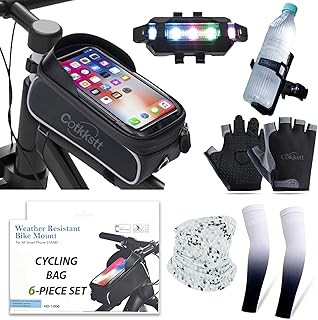


Test Ride: Take the bike for a short ride to ensure everything feels right and make any necessary adjustments
Before embarking on your inaugural ride, it's crucial to ensure that your new bike is properly adjusted to your body and riding style. This involves more than just checking the tire pressure and brakes; it's about fine-tuning the fit and feel of the bike to ensure safety, comfort, and optimal performance. Start by adjusting the seat height so that your feet can rest flat on the ground when stopped, and your knees are slightly bent when pedaling. Next, position the handlebars at a comfortable height and distance, allowing for a relaxed grip and an upright riding posture.
As you take your bike out for a test spin, pay close attention to how it handles different terrains and inclines. Make note of any issues with shifting gears, braking, or steering, as these can be indicative of larger problems that may require professional attention. Additionally, consider the bike's responsiveness and stability; does it feel agile and easy to maneuver, or sluggish and difficult to control? This initial ride is your opportunity to identify any potential issues before they become major concerns.
During your test ride, it's also important to assess the bike's comfort over an extended period. Take note of any discomfort or pain in your hands, wrists, back, or legs, as this could be a sign that further adjustments are needed. Consider factors such as the saddle's shape and material, the handlebar grips, and the positioning of your feet on the pedals. Small tweaks to these elements can make a significant difference in your overall riding experience.
Once you've completed your test ride, take the time to make any necessary adjustments based on your observations. This may involve further fine-tuning of the seat and handlebar positions, adjusting the brake and gear systems, or even swapping out components that don't meet your needs. Remember, the goal is to create a bike that feels like an extension of your body, allowing you to ride with confidence and ease.
In conclusion, the test ride is a critical step in the process of acclimating to a new bike. By taking the time to properly adjust your bike and assess its performance, you can ensure a safe, comfortable, and enjoyable riding experience. So, before you hit the open road, take your new bike for a spin and make sure everything feels just right.
Choosing the Right Bike Tube: A Comprehensive Guide
You may want to see also
Frequently asked questions
First, ensure that your new bike is properly assembled and all parts are securely fastened. Check the brakes, tires, and gears to make sure they are functioning correctly. It's also important to adjust the seat and handlebars to a comfortable position for riding.
To determine if your bike is the right size, stand over the bike with your feet flat on the ground. The top tube of the bike should be about 1-2 inches away from your body. Additionally, when sitting on the bike, your feet should be able to touch the ground comfortably, and your knees should be slightly bent when pedaling.
Essential safety equipment for your new bike includes a properly fitted helmet, front and rear lights, and reflectors. It's also a good idea to have a bell or horn to alert pedestrians and other cyclists of your presence. Wearing bright or reflective clothing can further increase your visibility to others.
Regular maintenance is crucial to keep your bike in good condition. Check your bike's tires, brakes, and gears at least once a month. Lubricate the chain every few rides, and clean the bike regularly to remove dirt and debris. It's also recommended to have a professional tune-up at least once a year to ensure all components are functioning optimally.