Samantha Lee
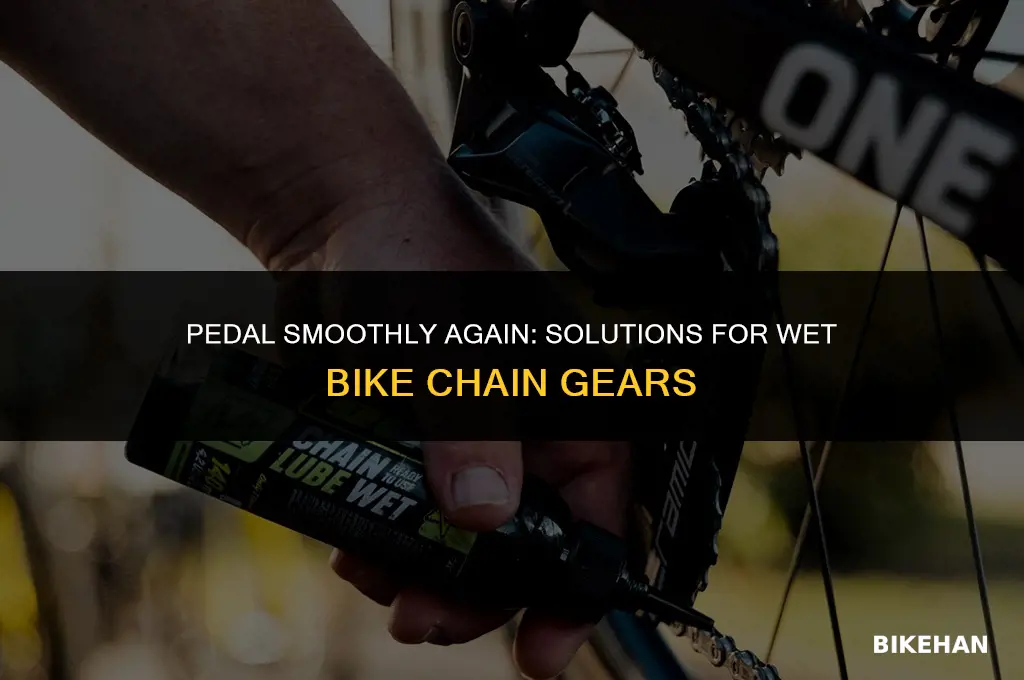
If your bike chain and gears get wet, it's important to take immediate action to prevent damage and ensure smooth operation. Water can cause rust and corrosion, leading to reduced performance and potentially costly repairs. To address this issue, start by thoroughly drying the chain and gears with a clean cloth or rag. Then, apply a suitable lubricant to the chain, ensuring that it penetrates the rollers and pins. This will help to displace any remaining moisture and protect against rust. Additionally, it's a good idea to inspect the chain for any signs of wear or damage, and replace it if necessary. Regular maintenance, such as cleaning and lubricating the chain, can help to prevent issues caused by wet conditions and extend the life of your bike's drivetrain.
Explore related products


What You'll Learn
- Clean the Chain: Use a soft brush and mild soap to remove dirt and grime. Rinse thoroughly
- Dry the Chain: Gently pat the chain dry with a clean cloth. Avoid using heat sources
- Lubricate the Chain: Apply a suitable lubricant to each roller and pin. Wipe off excess lube
- Inspect the Gears: Check for damage or wear. Ensure smooth shifting and proper alignment
- Test Ride: Take a short ride to confirm the bike's performance. Adjust as needed

Clean the Chain: Use a soft brush and mild soap to remove dirt and grime. Rinse thoroughly
After a bike ride in wet conditions, it's crucial to clean your chain to prevent rust and maintain smooth gear shifting. Start by using a soft-bristled brush to gently scrub the chain, working your way around each link to dislodge any dirt or debris. Be careful not to use a stiff brush, as this can damage the chain's surface.
Next, mix a solution of mild soap and warm water in a bucket or large container. Submerge the chain in the soapy water and let it soak for a few minutes to allow the soap to penetrate and break down any remaining grime. While the chain is soaking, you can use the brush to scrub the gears and derailleurs, ensuring that all moving parts are clean and free of dirt.
After soaking, remove the chain from the water and rinse it thoroughly with clean water to remove all soap residue. It's important to rinse the chain multiple times to ensure that no soap is left behind, as this can attract dirt and lead to premature wear. Once the chain is clean, use a soft cloth to dry it completely before applying any lubricant.
When cleaning your bike chain, it's essential to avoid using harsh chemicals or abrasive materials, as these can damage the chain and gears. Stick to mild soap and water, and always rinse the chain thoroughly to prevent any residue from causing problems down the line. By following these steps, you can keep your bike chain in good condition and ensure smooth, reliable gear shifting on your next ride.
Choosing the Perfect Bike for UCSB: A Comprehensive Guide
You may want to see also
Explore related products




Dry the Chain: Gently pat the chain dry with a clean cloth. Avoid using heat sources
After a bike ride in the rain or a spill from a puddle, it's crucial to dry your chain to prevent rust and maintain smooth gear shifting. Gently pat the chain dry with a clean cloth, working your way around each link to ensure thorough drying. This method is effective because it physically removes excess water without applying heat, which can damage the chain's lubricant and metal.
Avoid using heat sources like hairdryers or leaving the bike in direct sunlight to dry. Heat can cause the lubricant to evaporate too quickly, leading to a dry chain that's prone to rust and wear. Additionally, rapid temperature changes can cause metal components to expand and contract, potentially warping the chain or gears.
For best results, use a soft, absorbent cloth like microfiber, which can trap moisture without scratching the chain. If you're in a hurry, you can also use a clean rag or even paper towels, but be gentle to avoid fraying the material and leaving lint on the chain.
Once the chain is dry, it's a good idea to apply a fresh coat of lubricant to keep it running smoothly. Choose a lubricant that's appropriate for your riding conditions—wet or dry—and apply it sparingly to avoid attracting dirt and grime. Regular maintenance like this can significantly extend the life of your bike chain and gears.
Choosing the Perfect Bike for Burning Man: A Comprehensive Guide
You may want to see also
Explore related products

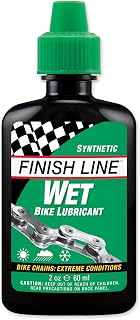


Lubricate the Chain: Apply a suitable lubricant to each roller and pin. Wipe off excess lube
After a bike chain gets wet, one of the most effective methods to restore its functionality and prevent rust is to lubricate it properly. This involves applying a suitable lubricant to each roller and pin of the chain. The lubricant should be chosen based on the riding conditions; for instance, a wet lube is ideal for rainy weather as it provides better water displacement.
To lubricate the chain, start by cleaning it thoroughly to remove any dirt or debris that may have accumulated. Once the chain is clean, apply the lubricant sparingly to each roller and pin while slowly rotating the pedals backward. It's crucial to ensure that the lubricant penetrates the rollers and pins deeply to reduce friction and wear.
After applying the lubricant, allow it to sit for a few minutes to penetrate the chain's components fully. Then, use a clean rag to wipe off any excess lubricant. Excess lube can attract dirt and lead to a buildup of grime, which can cause the chain to wear out faster.
Regular maintenance, including proper lubrication, can significantly extend the life of a bike chain and improve the overall performance of the bike. It's recommended to lubricate the chain every 100-200 miles or after any ride in wet conditions. By following these steps, cyclists can ensure that their bike chain remains in good condition, providing a smooth and efficient ride.
Bike Theft: A Comprehensive Guide to Prevention and Recovery
You may want to see also
Explore related products


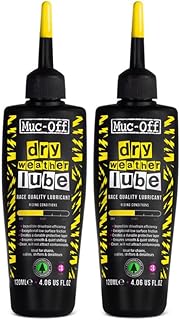

Inspect the Gears: Check for damage or wear. Ensure smooth shifting and proper alignment
After a bike chain gets wet, it's crucial to inspect the gears for any signs of damage or excessive wear. This involves a close visual examination of each gear tooth for chips, cracks, or significant wear patterns that could compromise the bike's performance. Gears that show signs of damage should be replaced to prevent further issues.
Ensuring smooth shifting is another key aspect of gear maintenance. This can be achieved by checking the derailleur's alignment and adjusting the limit screws if necessary. Proper alignment ensures that the chain moves smoothly across the gears without slipping or making noise. Additionally, the jockey wheels should be inspected for wear and replaced if they show significant signs of deterioration.
Lubrication is also essential after the gears have been inspected and cleaned. A high-quality lubricant should be applied sparingly to each gear tooth, ensuring that the entire surface is covered. This helps to reduce friction and wear, prolonging the life of the gears and maintaining smooth shifting.
Regular maintenance, including cleaning and lubrication, can significantly extend the lifespan of the bike's gears. However, if the gears are severely worn or damaged, professional assistance may be required to ensure proper replacement and alignment.
In summary, inspecting the gears for damage or wear and ensuring smooth shifting and proper alignment are critical steps in maintaining a bike's performance after the chain gets wet. Regular maintenance and timely replacement of worn parts can help prevent more serious issues down the line.
Choosing the Perfect Commute Bike: A Comprehensive Guide
You may want to see also
Explore related products

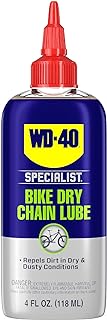


Test Ride: Take a short ride to confirm the bike's performance. Adjust as needed
After ensuring your bike chain and gears are properly lubricated and free from grime, it's crucial to test ride your bike to confirm its performance. This step is often overlooked, but it's essential to ensure that the adjustments you've made are effective and that your bike is safe to ride.
Start by taking your bike on a short, gentle ride around the block. Pay close attention to how the gears shift and how the chain moves across the sprockets. If you notice any hesitation or grinding, it may indicate that the lubrication isn't evenly distributed or that there's still some grime present.
As you ride, gradually increase the intensity to simulate the conditions you'll be riding in. This will help you identify any potential issues that may arise under stress. If you're confident in your bike's performance, you can extend the test ride to a longer distance.
During the test ride, make sure to listen for any unusual noises, such as clicking or popping, which could indicate a problem with the chain or gears. Also, be aware of how the bike feels when you're pedaling, and make note of any resistance or slippage.
If you encounter any issues during the test ride, don't hesitate to make adjustments. This may involve re-lubricating the chain, adjusting the derailleur, or even replacing worn-out components. Remember, it's better to address any problems now rather than risk damaging your bike or injuring yourself later.
Once you're satisfied with your bike's performance, you can confidently return to your regular riding routine. Just remember to regularly inspect and maintain your bike to prevent future issues.
Choosing the Perfect Ride: A Guide to Selecting Your Ideal Bicycle
You may want to see also
Frequently asked questions
If your bike chain and gears get wet, it's important to clean and lubricate them as soon as possible to prevent rust and ensure smooth operation.
To clean a wet bike chain, use a soft brush or cloth to remove any dirt or debris. Then, apply a degreaser specifically designed for bike chains and let it sit for a few minutes before wiping it off with a clean rag.
After cleaning your bike chain, apply a waterproof lubricant designed for bike chains. This will help protect the chain from rust and keep it running smoothly in wet conditions.
If you frequently ride your bike in wet conditions, it's a good idea to clean and lubricate your chain at least once a week, or more often if you notice any signs of rust or wear.
Yes, in addition to your chain and gears, you should also check and maintain your bike's brakes, tires, and frame to ensure they are in good working condition and free from rust or damage caused by wet weather.