Eric Johnson
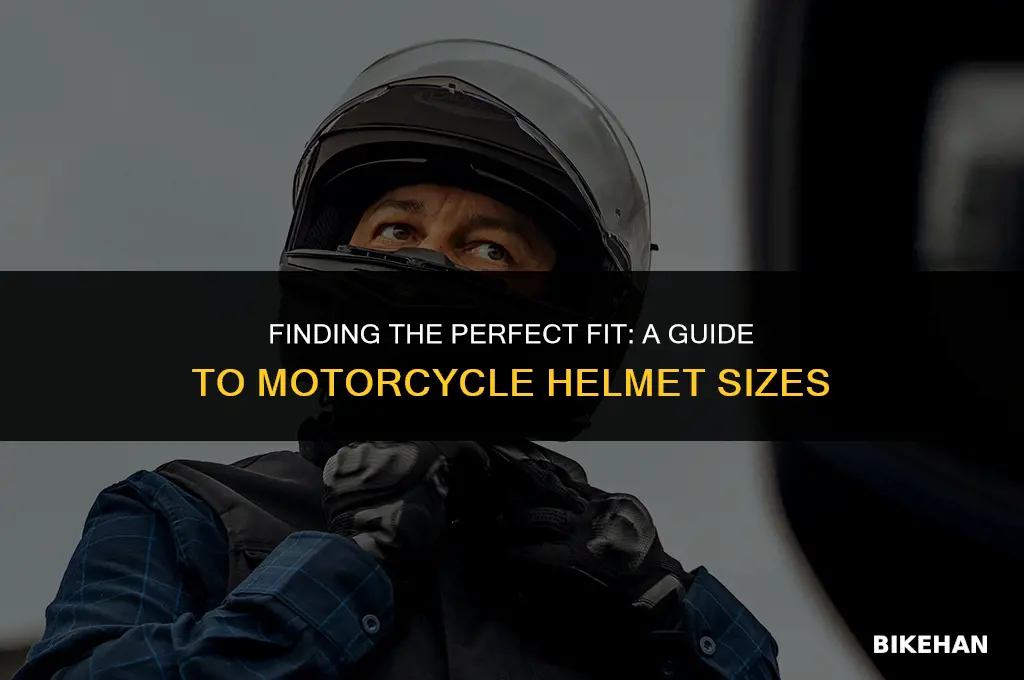
Choosing the right size of motorcycle helmet is crucial for both safety and comfort. A helmet that fits properly can significantly reduce the risk of head injuries in the event of an accident. To determine your helmet size, you'll need to measure the circumference of your head using a flexible tape measure. Start at the forehead, wrap the tape around the back of your head, and bring it back to the forehead. Record this measurement in inches or centimeters. Next, consult the manufacturer's sizing chart to find the helmet size that corresponds to your head measurement. It's important to note that helmet sizes can vary between brands, so always check the specific sizing guide for the helmet you're interested in. Additionally, consider factors such as the helmet's weight, ventilation, and interior padding when making your selection. Remember, a well-fitted helmet should be snug but not uncomfortable, and it should stay securely in place even when you're riding at high speeds.
Explore related products



What You'll Learn
- Measuring Your Head: Use a flexible tape measure to determine the circumference of your head
- Helmet Sizing Charts: Refer to the manufacturer's sizing chart to match your head measurement with the correct helmet size
- Fit and Comfort: Ensure the helmet fits snugly without discomfort, and the chin strap should be secure
- Helmet Styles: Different helmet styles may affect the fit, so consider the type of helmet you prefer
- Safety Certifications: Verify that the helmet meets safety standards such as DOT, Snell, or ECE for optimal protection

Measuring Your Head: Use a flexible tape measure to determine the circumference of your head
To accurately determine the size of motorcycle helmet you need, measuring your head is a crucial first step. Use a flexible tape measure, like those commonly found in sewing kits or at tailoring shops, to ensure you get a precise measurement. Wrap the tape measure around the fullest part of your head, which is typically just above your eyebrows and around the back of your head. Make sure the tape is snug but not tight, and take note of the measurement to the nearest centimeter or inch.
It's important to measure your head in a relaxed state, without any hair accessories or headwear that could alter the circumference. If you have long hair, tie it back to keep it out of the way. Repeat the measurement a few times to ensure consistency, as slight variations can occur depending on how the tape is positioned.
Once you have your head measurement, you can refer to the sizing charts provided by helmet manufacturers to find the appropriate size. Keep in mind that sizing can vary slightly between brands, so it's always best to check the specific chart for the helmet you're interested in. If you're between sizes, it's generally recommended to go with the smaller size, as a slightly snug fit is better than a loose one for safety and comfort reasons.
In addition to measuring your head, it's also important to consider other factors when choosing a helmet, such as the shape of your head and face. Some helmets are designed for rounder heads, while others are better suited for more oval or elongated shapes. Trying on different helmets and checking how they fit around your jawline and cheekbones can help you find the most comfortable and secure fit.
Remember, a properly fitting helmet is essential for safety while riding a motorcycle. Taking the time to measure your head and try on different helmets can make a significant difference in your riding experience and overall protection.
Exploring Tennessee's Motorcycle Helmet Laws: A Comprehensive Guide
You may want to see also
Explore related products


Helmet Sizing Charts: Refer to the manufacturer's sizing chart to match your head measurement with the correct helmet size
To determine the correct size of a motorcycle helmet, it's crucial to refer to the manufacturer's sizing chart. Each brand may have slightly different measurements, so it's essential to use the specific chart provided by the helmet's manufacturer. Start by measuring your head circumference using a flexible tape measure. Position the tape measure just above your eyebrows and ears, and wrap it around the back of your head. Once you have your head measurement, consult the sizing chart to find the corresponding helmet size.
When interpreting the sizing chart, keep in mind that helmet sizes are typically listed in inches or centimeters. Ensure you're using the correct unit of measurement when comparing your head size to the chart. Additionally, some manufacturers may offer intermediate sizes, such as 7 1/2 or 8 1/4, to provide a more precise fit. If your head measurement falls between two sizes, it's generally recommended to choose the smaller size, as helmets tend to stretch slightly with use.
It's also important to consider the shape of your head when selecting a helmet size. Some helmets are designed for rounder heads, while others are better suited for more oval-shaped heads. If you're unsure about the shape of your head, try on different helmets to see which one feels more comfortable and secure.
Remember that a properly fitting helmet is essential for safety and comfort while riding. A helmet that's too small may be uncomfortable and restrict your vision, while a helmet that's too large may not provide adequate protection in the event of an accident. By using the manufacturer's sizing chart and considering your head shape, you can find a helmet that fits well and provides the necessary protection.
In summary, to determine the correct size of a motorcycle helmet, measure your head circumference, consult the manufacturer's sizing chart, and consider your head shape. Trying on different helmets can also help you find the most comfortable and secure fit.
Secure Your Ride: The Essential Guide to Wearing a Motorcycle Helmet
You may want to see also
Explore related products


Fit and Comfort: Ensure the helmet fits snugly without discomfort, and the chin strap should be secure
A well-fitted motorcycle helmet is crucial not only for safety but also for comfort during rides. Ensuring the helmet fits snugly without causing discomfort is a key aspect of choosing the right size. Here are some detailed steps to achieve a proper fit:
- Measure Your Head: Use a flexible measuring tape to measure the circumference of your head, just above your eyebrows and ears. This measurement will give you a starting point for selecting the correct helmet size.
- Try on Different Sizes: Visit a local motorcycle shop and try on helmets of various sizes. Start with the size that corresponds to your head measurement and adjust from there. Pay attention to how the helmet feels around your head and face.
- Check for Snugness: The helmet should fit snugly around your head without being too tight. You should be able to fit one finger between the helmet and your head for a comfortable fit. The padding inside the helmet should conform to the shape of your head, providing a secure fit.
- Adjust the Chin Strap: Once you have the right size, adjust the chin strap to ensure it is secure. The strap should be tight enough to keep the helmet in place but not so tight that it causes discomfort or restricts your ability to open your mouth.
- Test for Comfort: After securing the chin strap, move your head around to test for comfort. The helmet should not shift or move excessively, and you should not feel any pressure points or discomfort.
- Consider Additional Features: Some helmets come with additional features like adjustable ventilation systems or moisture-wicking liners. These features can enhance comfort during long rides or in different weather conditions.
By following these steps, you can ensure that your motorcycle helmet fits properly, providing both safety and comfort. Remember, a helmet that fits well is more likely to stay in place during an accident, offering better protection.
Exploring the Versatility of Modular Motorcycle Helmets
You may want to see also
Explore related products


Helmet Styles: Different helmet styles may affect the fit, so consider the type of helmet you prefer
When selecting a motorcycle helmet, the style can significantly impact the fit and overall riding experience. For instance, a full-face helmet offers maximum protection but may feel more confining for some riders, especially those with claustrophobia. On the other hand, an open-face helmet provides a more open feel but exposes the rider's face to the elements and potential debris. Modular helmets, which can be converted from full-face to open-face, offer a versatile option for riders who want the best of both worlds.
The fit of a helmet is crucial for safety and comfort. A helmet that is too loose can shift during a ride, obstructing vision and potentially causing an accident. Conversely, a helmet that is too tight can cause discomfort and headaches. Different helmet styles may affect the fit due to their design and the materials used. For example, a full-face helmet with a rigid outer shell may provide a more secure fit than an open-face helmet with a softer, more flexible construction.
To ensure a proper fit, riders should consider the shape of their head as well as the size. Some helmets are designed with a more rounded shape, while others are more oval. Riders with a more rounded head shape may find that a helmet with a corresponding rounded design fits more comfortably and securely. Additionally, the padding and liner material inside the helmet can affect the fit. Some helmets have removable and washable liners, which can be beneficial for maintaining a clean and comfortable fit over time.
When trying on different helmet styles, riders should pay attention to how the helmet feels on their head and face. They should look for a helmet that provides a snug fit without causing any discomfort or pressure points. The chin strap should be secure but not too tight, allowing for easy movement of the jaw. Riders should also consider the weight of the helmet, as a heavier helmet may cause neck strain during longer rides.
Ultimately, the best helmet style for a rider will depend on their individual preferences, riding style, and head shape. By considering these factors and trying on different helmet styles, riders can find a helmet that provides both safety and comfort for their motorcycle adventures.
Missouri Motorcycle Helmet Laws: What You Need to Know
You may want to see also
Explore related products


$39.99

$74.95


Safety Certifications: Verify that the helmet meets safety standards such as DOT, Snell, or ECE for optimal protection
When selecting a motorcycle helmet, verifying safety certifications is crucial for ensuring optimal protection. Look for helmets that meet standards set by organizations such as the Department of Transportation (DOT), Snell Memorial Foundation, or the Economic Commission for Europe (ECE). These certifications indicate that the helmet has undergone rigorous testing and meets specific safety criteria.
To verify a helmet's certification, check the label or sticker inside the helmet. It should clearly state which safety standard the helmet complies with. Additionally, you can visit the manufacturer's website or contact them directly to confirm the certification status of a particular model.
It's important to note that different countries may have different safety standards. For example, the DOT certification is specific to the United States, while the ECE certification is recognized in many European countries. If you plan to ride in multiple countries, consider choosing a helmet that meets multiple safety standards.
In addition to meeting safety standards, a properly fitting helmet is essential for optimal protection. Measure your head circumference and compare it to the manufacturer's sizing chart to ensure you select the correct size. A helmet that is too loose or too tight can compromise safety and comfort.
Remember, a helmet's safety certification is just one factor to consider when choosing a helmet. Other important factors include fit, comfort, and visibility. By taking the time to verify safety certifications and select a properly fitting helmet, you can significantly reduce the risk of head injuries in the event of an accident.
The Ultimate Guide to Perfectly Sizing Your Motorcycle Helmet
You may want to see also
Frequently asked questions
To measure your head for the correct motorcycle helmet size, use a flexible tape measure and wrap it around the fullest part of your head, just above your eyebrows and ears. Make sure the tape is snug but not too tight, and take the measurement to the nearest centimeter or inch.
When choosing a motorcycle helmet size, consider the following factors: your head measurement, the helmet's weight, the helmet's comfort level, and the helmet's safety features. It's important to choose a helmet that fits well, is comfortable to wear, and provides adequate protection.
The fit of a motorcycle helmet is crucial for its safety. A helmet that fits too loosely can come off in the event of an accident, leaving your head unprotected. A helmet that fits too tightly can cause discomfort and may not provide adequate protection. A properly fitted helmet will stay securely in place and provide the best possible protection in the event of an accident.