Ryan Cole
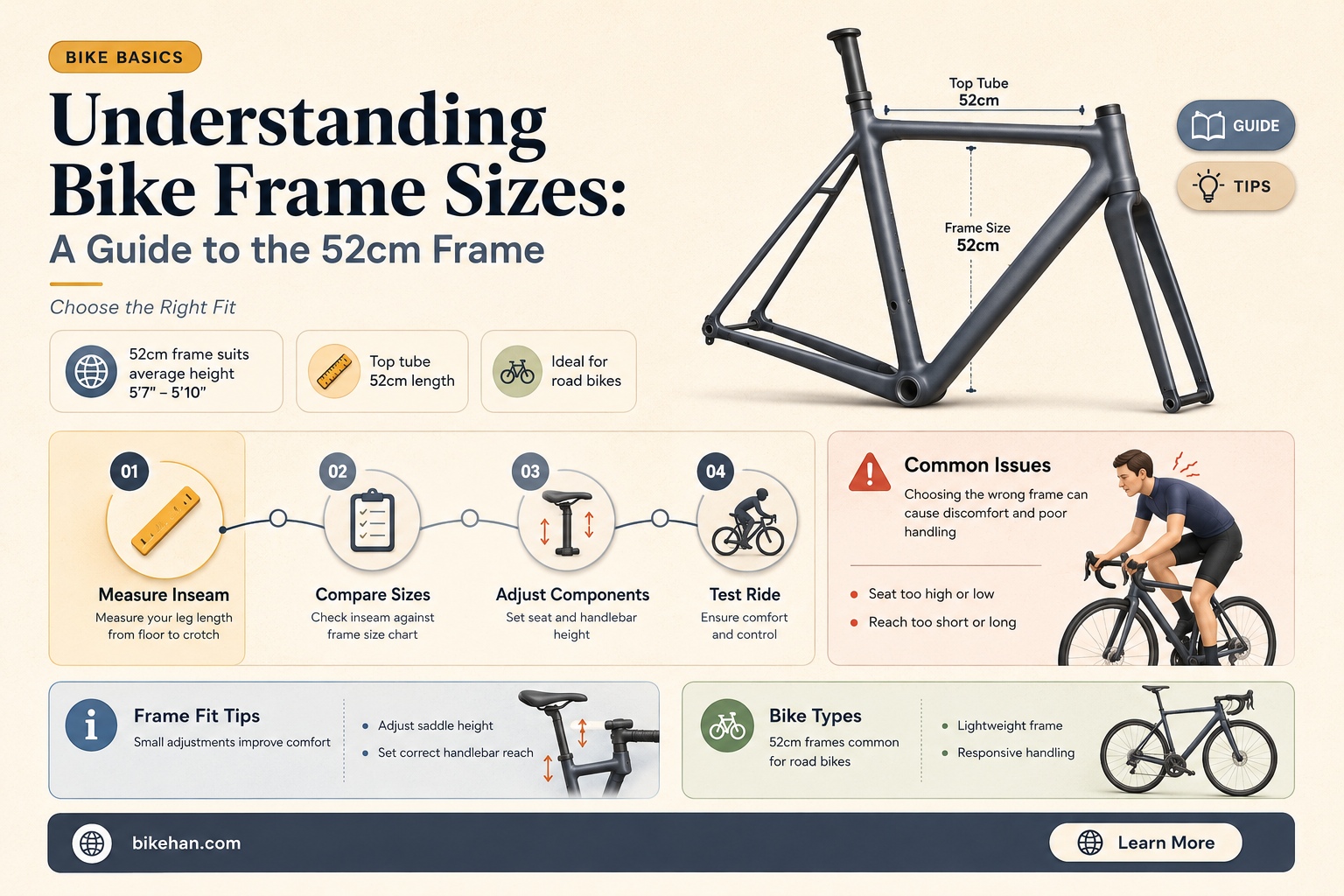
A 52 bike frame refers to a bicycle frame size that is typically measured from the center of the bottom bracket to the top of the seat tube. This measurement is crucial for determining the right fit for a rider, as it affects the comfort, handling, and overall riding experience. Frame sizes can vary slightly between different bike manufacturers and models, but a 52 frame is generally considered suitable for riders who are around 5'8 to 5'10 tall. It's important to note that frame size is just one aspect of bike fitting, and other factors such as seat height, handlebar reach, and saddle position also play significant roles in ensuring a proper fit.
Explore related products


What You'll Learn
- Understanding Bike Frame Sizes: Explanation of how bike frame sizes are measured and what they indicate
- Is 52 a Small, Medium, or Large Frame: Classification of the 52 frame size relative to standard sizing charts?
- Who Fits a 52 Bike Frame: Description of the ideal rider height and weight for a 52 frame?
- Comfort and Performance: How a 52 frame size affects riding comfort and bike handling
- Comparison with Other Sizes: Contrasting the 52 frame with other common sizes, highlighting differences

Understanding Bike Frame Sizes: Explanation of how bike frame sizes are measured and what they indicate
Bike frame sizes are a critical aspect of cycling, as they directly impact the rider's comfort, control, and overall experience. The size of a bike frame is typically measured from the center of the bottom bracket to the top of the seat tube, a dimension known as the seat tube length. This measurement is usually given in inches or centimeters, with common sizes ranging from 48 cm to 62 cm for road bikes and 15 inches to 21 inches for mountain bikes.
The seat tube length is just one of several key measurements that determine a bike's fit. Other important dimensions include the top tube length, which affects the rider's reach to the handlebars, and the wheelbase, which influences the bike's stability and handling. The stack height, which is the vertical distance from the bottom bracket to the top of the head tube, also plays a role in the bike's geometry and how it feels to ride.
A 52 cm bike frame is considered a medium size for road bikes and is typically suitable for riders between 5'6" and 5'10" tall. However, it's essential to note that frame size alone is not the sole determinant of a bike's fit. Factors such as the rider's inseam length, arm length, and personal preference for riding position can also influence the choice of frame size and geometry.
When selecting a bike frame size, it's crucial to consider the intended use of the bike. For example, a road bike with a 52 cm frame may be ideal for a rider who prioritizes speed and efficiency on paved surfaces, while a mountain bike with a similar frame size might be more suitable for off-road adventures and rough terrain.
Ultimately, the best way to determine the right bike frame size is to consult with a professional bike fitter or visit a local bike shop for a test ride. By taking into account the rider's individual measurements and preferences, a bike fitter can help find the perfect frame size and geometry for a comfortable and enjoyable riding experience.
Exploring the Perfect Fit: Understanding 20-Inch Bike Sizes for Kids and Adults
You may want to see also
Explore related products

$5.98 $11.98


Is 52 a Small, Medium, or Large Frame?: Classification of the 52 frame size relative to standard sizing charts
To determine whether a 52 bike frame is small, medium, or large, we need to refer to standard sizing charts used in the cycling industry. These charts typically categorize frame sizes based on the rider's height and sometimes other measurements like inseam length. A 52 frame size is generally considered to be on the larger end of the spectrum, but without specific context or reference to a particular brand's sizing chart, it's difficult to make a definitive classification.
In general, bike frame sizes range from around 48 to 62 centimeters, with some brands offering even smaller or larger sizes. The 52 frame size falls within this range, but its classification as small, medium, or large can vary depending on the manufacturer and the intended use of the bike. For example, a 52 frame size might be considered large for a road bike, but medium for a mountain bike or a hybrid bike.
When trying to determine the appropriate frame size for a rider, it's important to consider not only their height but also their riding style and preferences. A rider who prefers a more aggressive riding position might opt for a smaller frame size, while a rider who wants a more comfortable, upright position might choose a larger frame size. Additionally, factors like the rider's weight and the type of terrain they will be riding on can also influence the choice of frame size.
In conclusion, while a 52 bike frame is generally considered to be on the larger end of the spectrum, its classification as small, medium, or large can vary depending on the manufacturer, the intended use of the bike, and the rider's individual preferences and measurements. It's always best to consult with a professional bike fitter or refer to the specific sizing chart of the brand you're interested in to ensure you choose the right frame size for your needs.
Understanding Bike Frame Sizes: A Guide to the 15-Inch Frame
You may want to see also
Explore related products


Who Fits a 52 Bike Frame?: Description of the ideal rider height and weight for a 52 frame
A 52 bike frame is typically suitable for riders who are between 5'8" and 6'2" tall. This frame size is designed to accommodate a wide range of body types and weights, but it's most ideal for individuals who fall within this height range. Riders who are shorter than 5'8" may find a 52 frame too large and difficult to handle, while those who are taller than 6'2" may feel cramped on a frame of this size.
In terms of weight, a 52 bike frame can support riders who weigh between 150 and 220 pounds. However, it's important to note that the weight capacity of a bike frame can vary depending on the materials used in its construction and the type of riding it's intended for. For example, a frame designed for road cycling may have a lower weight capacity than one designed for mountain biking.
Riders who are looking for a comfortable and efficient ride should consider their inseam length in addition to their height and weight. The inseam length is the distance from the crotch to the floor, and it's an important factor in determining the correct bike frame size. A rider with a longer inseam may need a larger frame size to ensure a comfortable riding position.
It's also important to consider the type of riding that will be done on the bike. For example, a rider who plans to do a lot of off-road cycling may want to choose a slightly smaller frame size to allow for more maneuverability. On the other hand, a rider who plans to do mostly road cycling may want to choose a slightly larger frame size for a more aerodynamic riding position.
Ultimately, the best way to determine if a 52 bike frame is the right size for a rider is to test ride the bike and see how it feels. A rider should be able to stand over the bike with both feet flat on the ground and have about an inch of clearance between their crotch and the top tube of the frame. They should also be able to reach the handlebars comfortably without having to stretch or bend over too much.
Exploring the Perfect Fit: Understanding 46cm Road Bike Sizes
You may want to see also
Explore related products


Comfort and Performance: How a 52 frame size affects riding comfort and bike handling
A 52 frame size in bicycles is often considered a middle ground, suitable for riders of average height. However, the impact of this frame size on riding comfort and bike handling can vary significantly depending on the rider's body proportions and riding style. For instance, a rider with a longer torso and shorter legs may find a 52 frame more comfortable than one with a shorter torso and longer legs, as the former would allow for a more natural riding position.
In terms of bike handling, a 52 frame size can offer a good balance between maneuverability and stability. Smaller frames tend to be more agile and easier to handle in tight spaces, while larger frames provide more stability at higher speeds. A 52 frame size falls somewhere in between, making it versatile for various riding conditions. However, the actual handling characteristics would also depend on other factors such as the bike's geometry, wheel size, and tire choice.
Riding comfort is another crucial aspect affected by frame size. A 52 frame size may allow for a more upright riding position, which can reduce strain on the back and neck during long rides. However, this would also depend on the bike's handlebar height and saddle position. A rider who prefers a more aggressive riding position might find a 52 frame size less comfortable, as it may not allow for the desired forward lean.
Moreover, the rider's weight and fitness level can also influence how a 52 frame size affects comfort and performance. Heavier riders may find smaller frames less comfortable due to increased pressure on the joints, while lighter riders might prefer smaller frames for better control. Similarly, more experienced riders may be able to handle a wider range of frame sizes and find a 52 frame size suitable for their needs, while beginners might benefit from the stability offered by larger frames.
In conclusion, while a 52 frame size can offer a good balance between comfort and performance for many riders, its suitability ultimately depends on a variety of factors including body proportions, riding style, bike geometry, and rider experience. It's essential for riders to test different frame sizes and find the one that best suits their individual needs and preferences.
Choosing the Right Intake Size for Your Whizzer Motorbike: A Guide
You may want to see also
Explore related products


Comparison with Other Sizes: Contrasting the 52 frame with other common sizes, highlighting differences
When comparing a 52cm bike frame to other common sizes, it's essential to consider the dimensions and proportions that define each frame size. A 52cm frame typically refers to the seat tube length, which is the distance from the center of the bottom bracket to the top of the seat tube. This size is considered medium-large and is suitable for riders of average to taller stature.
In contrast, smaller frame sizes, such as 48cm or 50cm, have shorter seat tubes and are designed for shorter riders or those who prefer a more compact riding position. These frames often have shorter top tubes and lower standover heights, making them easier to handle and mount for riders with shorter legs.
On the other hand, larger frame sizes, such as 54cm or 56cm, have longer seat tubes and are intended for taller riders or those who desire a more stretched-out riding position. These frames typically feature longer top tubes and higher standover heights, which can provide a more aggressive riding stance and potentially better aerodynamics for taller cyclists.
One key difference between frame sizes is the reach, which is the horizontal distance from the center of the bottom bracket to the top of the head tube. A 52cm frame generally has a moderate reach, offering a balanced compromise between comfort and performance. Smaller frames have shorter reaches, which can make the bike feel more maneuverable and responsive, while larger frames have longer reaches, which can enhance stability and speed but may compromise comfort for some riders.
Another important consideration is the stack, which is the vertical distance from the center of the bottom bracket to the top of the head tube. A 52cm frame typically has a moderate stack height, providing a comfortable riding position for most riders. Smaller frames have lower stacks, which can make the bike feel more agile and easier to handle, while larger frames have higher stacks, which can improve visibility and comfort for taller riders but may make the bike feel less responsive.
Ultimately, the choice of frame size depends on a variety of factors, including the rider's height, inseam length, riding style, and personal preferences. A 52cm frame is a versatile option that can accommodate a wide range of riders, but it's essential to consider the specific dimensions and proportions of each frame size to find the best fit for individual needs.
Compatible Inner Tube Sizes for Thruster Fixie Bikes Explained
You may want to see also
Frequently asked questions
A 52 bike frame size usually corresponds to a rider height of approximately 5'8" to 5'10".
A 52 bike frame is generally considered a medium size.
To measure a bike frame, you typically measure the distance from the center of the bottom bracket to the top of the seat tube. This measurement is usually taken in centimeters.
Yes, a 52 bike frame can be used for various types of bikes, including road bikes and mountain bikes. However, the specific geometry and design may vary depending on the intended use.