Ryan Cole
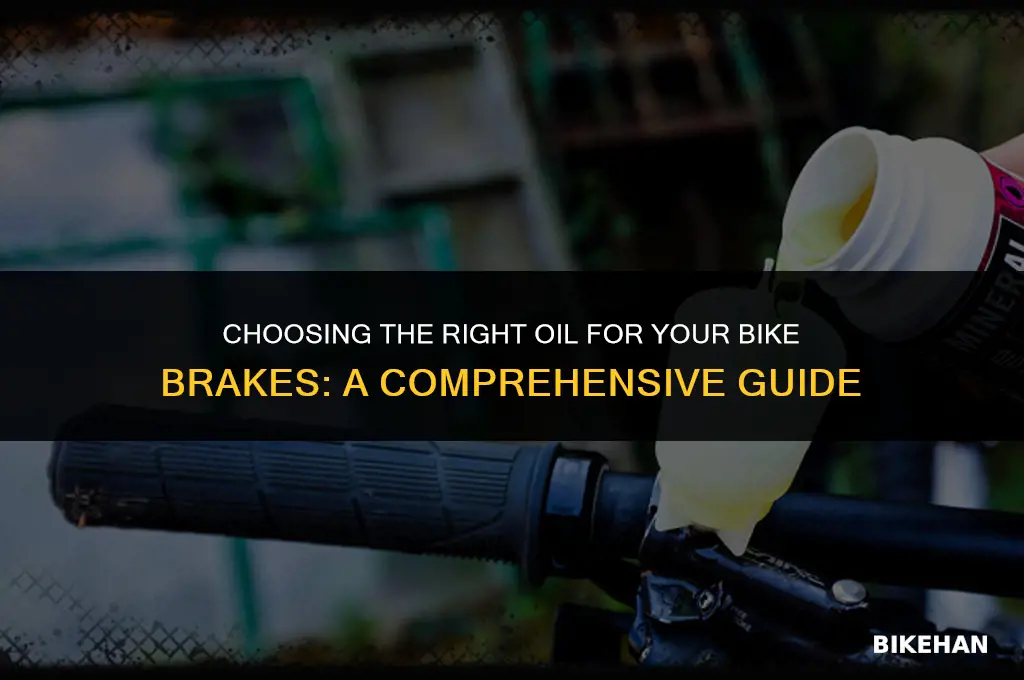
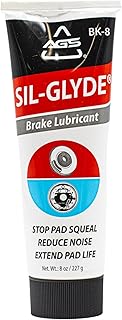
When it comes to maintaining your bike's brakes, choosing the right lubricant is crucial for ensuring smooth and reliable performance. While there are various types of oils and lubricants available, not all are suitable for bike brakes. Using the wrong type of oil can lead to reduced braking efficiency, increased wear and tear, and even safety hazards. In this guide, we'll explore the different types of oils commonly used on bike brakes, their pros and cons, and provide recommendations on which ones to use based on your specific needs and riding conditions. By the end of this article, you'll have a clear understanding of which oil to use on your bike brakes to keep them in top working condition.
Explore related products




What You'll Learn
- Types of brake oils: mineral, synthetic, and DOT-approved options for bicycle brakes
- Compatibility: ensuring the oil matches your bike's brake system requirements
- Performance: how different oils affect braking efficiency and modulation
- Maintenance: frequency of oil changes and proper bleeding techniques
- Safety: precautions and best practices when handling and disposing of brake oils

Types of brake oils: mineral, synthetic, and DOT-approved options for bicycle brakes
Mineral oil is a traditional choice for bicycle brake systems, known for its reliability and cost-effectiveness. It's a petroleum-based fluid that offers good performance in a wide range of temperatures and conditions. However, mineral oil can be less effective in extreme cold or heat and may require more frequent replacement than synthetic alternatives.
Synthetic brake oils, on the other hand, are engineered for high performance and durability. They are typically glycol-based and offer superior resistance to corrosion and wear, which can extend the life of brake components. Synthetic oils also tend to have a higher boiling point, making them more suitable for intense riding conditions where brakes may be subjected to significant heat.
DOT-approved brake oils meet specific standards set by the U.S. Department of Transportation, ensuring they are safe and effective for use in hydraulic brake systems. These oils are typically glycol-based and are required to have a minimum boiling point of 284°F (140°C). While DOT-approved oils are not exclusive to bicycle brakes, they are often used in high-performance cycling applications where safety and reliability are paramount.
When choosing a brake oil for your bicycle, it's essential to consider the specific requirements of your brake system and the riding conditions you'll be facing. For most casual riders, mineral oil may be a sufficient and economical choice. However, if you're a serious cyclist or ride in extreme conditions, synthetic or DOT-approved oils may provide the additional performance and safety you need.
Remember to always follow the manufacturer's recommendations for your brake system and to replace the brake oil at regular intervals to maintain optimal performance and safety. Proper maintenance of your bicycle's brake system is crucial for a safe and enjoyable riding experience.
Exploring the High-Performance Materials Behind Sport Bike Fairings
You may want to see also
Explore related products


Compatibility: ensuring the oil matches your bike's brake system requirements
Ensuring compatibility between the oil and your bike's brake system is crucial for optimal performance and safety. The first step is to identify the type of brake system your bike has, as different systems require different types of oil. For instance, hydraulic brake systems typically use mineral oil or DOT fluid, while mechanical systems may require a different type of lubricant.
Once you've determined the type of brake system, consult your bike's manual or the manufacturer's website to find the specific oil recommendations. This information is often listed under the maintenance or specifications section. It's important to follow these guidelines precisely, as using the wrong type of oil can lead to brake failure or damage to the system.
When selecting oil, consider the environmental conditions in which you'll be riding. Some oils are designed to perform better in high temperatures, while others are more suitable for cold weather. Additionally, take into account the frequency of use and the type of riding you'll be doing, as these factors can impact the oil's performance and longevity.
Before applying the oil, ensure that the brake system is clean and free of debris. This can be done by wiping down the brake components with a clean cloth and a mild solvent. Once the system is clean, apply the oil according to the manufacturer's instructions, being careful not to overfill or spill any oil on other parts of the bike.
Regular maintenance is key to ensuring the compatibility and performance of your bike's brake system. Check the oil level regularly and top off as needed. It's also a good idea to bleed the brakes periodically to remove any air bubbles that may have formed in the system. By following these steps and ensuring compatibility, you can help maintain the safety and efficiency of your bike's brake system.
Pedaling Power: Unveiling the Muscles Engaged on an Upright Bike
You may want to see also
Explore related products





Performance: how different oils affect braking efficiency and modulation
The performance of bicycle brakes can be significantly influenced by the type of oil used. Different oils have varying properties that affect braking efficiency and modulation. For instance, mineral oils are commonly used due to their stability and compatibility with a wide range of brake systems. However, they may not perform optimally in extreme temperatures or when subjected to heavy use.
On the other hand, synthetic oils, such as DOT 4 and DOT 5.1, offer superior performance in terms of braking efficiency and modulation. These oils have a higher boiling point, which makes them more resistant to heat build-up during prolonged braking. Additionally, synthetic oils provide better modulation, allowing for more precise control over braking force.
Another factor to consider is the viscosity of the oil. Thicker oils, such as DOT 5.1, tend to provide better modulation but may not be as efficient in terms of braking power. Conversely, thinner oils, like DOT 4, offer greater braking efficiency but may lack the modulation capabilities of thicker oils.
It is also important to note that the choice of oil can affect the longevity of brake components. Some oils, particularly those with high water content, can lead to corrosion and wear over time. Therefore, it is crucial to select an oil that is compatible with the brake system and provides adequate protection against corrosion.
In conclusion, the choice of oil for bicycle brakes should be based on a careful consideration of factors such as braking efficiency, modulation, temperature resistance, and compatibility with brake components. By selecting the right oil, cyclists can ensure optimal brake performance and prolong the life of their brake system.
Exploring the Intricacies: How Bikes Operate on a Mechanical Level
You may want to see also
Explore related products


Maintenance: frequency of oil changes and proper bleeding techniques
Regular maintenance is crucial for ensuring the longevity and performance of your bike's braking system. One key aspect of this maintenance is the frequency of oil changes. It's recommended to change the oil in your bike's brakes every 6 months or after every 1000 miles of use, whichever comes first. This helps to prevent the buildup of contaminants and ensures that the oil remains at the optimal viscosity for effective braking.
When it comes to bleeding techniques, it's important to follow the manufacturer's instructions for your specific bike model. However, there are some general steps that can be followed. First, ensure that the bike is on a level surface and the wheels are removed. Next, locate the bleed screw on the brake caliper and attach a bleed hose to it. Then, slowly open the bleed screw while squeezing the brake lever to release any air bubbles from the system. It's important to do this slowly and carefully to avoid introducing new air bubbles.
One common mistake to avoid is over-bleeding the brakes. This can lead to a loss of braking power and can be dangerous while riding. To prevent this, it's important to only bleed the brakes until the fluid running out of the bleed screw is clear and free of air bubbles. Additionally, it's important to ensure that the brake pads are properly aligned and that the brake cable is tensioned correctly to ensure optimal braking performance.
In terms of the type of oil to use, it's important to choose a high-quality brake oil that is compatible with your bike's braking system. DOT 4 or DOT 5.1 brake oils are commonly used for most bike brakes, but it's important to check your bike's manual to ensure that you're using the correct type. When changing the oil, it's important to use a clean, lint-free cloth to wipe away any excess oil and to prevent contamination of the new oil.
By following these guidelines for oil changes and bleeding techniques, you can help to ensure that your bike's braking system remains in top condition and provides reliable stopping power when you need it most.
Understanding Shark Toothing on Bikes: A Comprehensive Guide
You may want to see also
Explore related products


Safety: precautions and best practices when handling and disposing of brake oils
Brake oil is a critical component in maintaining the functionality and safety of a bicycle's braking system. However, handling and disposing of brake oil require careful attention to safety protocols to prevent harm to oneself and the environment. Here are some essential precautions and best practices to follow:
Always wear protective gear when handling brake oil, including gloves, safety glasses, and a mask if necessary. Brake oil can be corrosive and may cause skin irritation or respiratory issues if inhaled. Work in a well-ventilated area to minimize the risk of inhaling fumes.
When disposing of brake oil, never pour it down the drain or into the trash. Brake oil is toxic and can contaminate water supplies and harm wildlife. Instead, take it to a local hazardous waste disposal facility or an auto parts store that accepts used fluids. Some communities also have designated drop-off locations for hazardous materials.
If you accidentally spill brake oil, contain the spill immediately by covering it with a non-absorbent material like sand or kitty litter. Then, carefully transfer the contaminated material to a sealed container for proper disposal. Wash your hands thoroughly with soap and water after handling brake oil, and launder any contaminated clothing separately.
When working with brake oil, it's crucial to avoid cross-contamination with other fluids or components. Use dedicated tools and containers for brake oil and store them separately from other bicycle maintenance supplies. Label all containers clearly to prevent accidental misuse.
Finally, always follow the manufacturer's instructions for handling and disposing of brake oil. Different types of brake oil may have specific safety requirements, so be sure to read and understand the guidelines provided with the product. By taking these precautions and following best practices, you can ensure the safe and responsible handling and disposal of brake oil.
Lubricating Your Bike Chain: Is WD-40 the Right Choice?
You may want to see also
Frequently asked questions
It's important to use a high-quality brake fluid that is compatible with your bike's braking system. For most modern bikes, a DOT-approved brake fluid is recommended.
Brake fluid should be changed every 1-2 years, or more frequently if you ride in wet or dirty conditions. Regular maintenance ensures optimal braking performance and safety.
No, motor oil is not suitable for bike brakes. It can cause the brake pads to wear out quickly and may lead to brake failure. Always use a brake fluid specifically designed for bicycles.
Signs that your bike brakes need maintenance include spongy or soft brake levers, reduced braking power, and unusual noises when braking. If you notice any of these issues, it's time to inspect and possibly change your brake fluid.