Ryan Cole
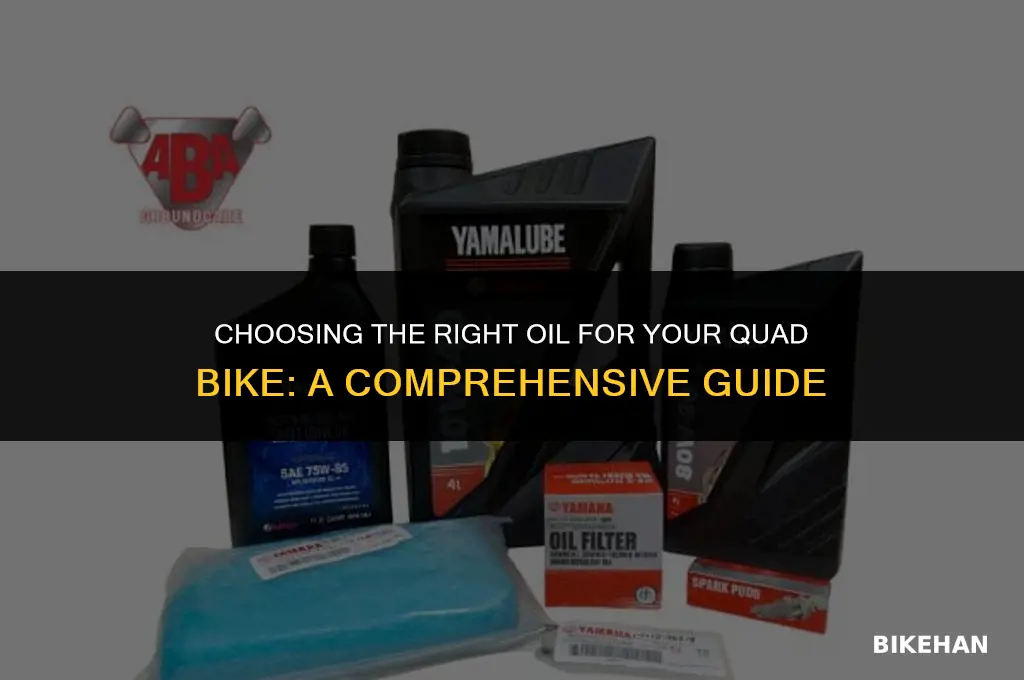
When it comes to maintaining a quad bike, choosing the right oil is crucial for ensuring optimal performance and longevity of the engine. The type of oil you should use depends on several factors, including the make and model of your quad bike, the engine type, and the operating conditions. For most quad bikes, a high-quality synthetic or semi-synthetic oil with a viscosity rating of 10W-40 or 5W-30 is recommended. These oils provide excellent protection against wear and corrosion, and they perform well in a wide range of temperatures. It's also important to check your owner's manual for specific oil recommendations and to follow the manufacturer's guidelines for oil change intervals. Using the correct oil can help keep your quad bike running smoothly and prevent costly engine damage down the line.
Explore related products




What You'll Learn
- Conventional vs. Synthetic Oils: Understand the differences and benefits of each type for quad bike performance
- Viscosity Ratings: Learn about the appropriate viscosity ratings for different riding conditions and temperatures
- Multi-Purpose Oils: Discover if multi-purpose oils are suitable for quad bikes and their potential advantages
- Brand Recommendations: Explore popular and reliable brands that manufacture oils specifically for quad bikes
- Oil Change Frequency: Determine the optimal frequency for changing oil in a quad bike based on usage and manufacturer guidelines

Conventional vs. Synthetic Oils: Understand the differences and benefits of each type for quad bike performance
Conventional oils, derived from crude oil, have been the traditional choice for lubricating engines, including those in quad bikes. They are generally less expensive than synthetic oils and provide adequate protection against wear and corrosion. However, conventional oils may not perform as well under extreme temperatures or high-stress conditions, which can lead to reduced engine efficiency and longevity.
Synthetic oils, on the other hand, are engineered from chemical compounds and offer superior performance in a wide range of conditions. They provide better protection against wear, corrosion, and deposits, and can improve engine efficiency and power output. Synthetic oils also have a higher resistance to thermal breakdown, making them ideal for use in high-temperature environments.
When it comes to quad bike performance, the choice between conventional and synthetic oils depends on several factors, including the type of riding, the climate, and the engine's condition. For recreational riders who operate their quad bikes in moderate conditions, conventional oils may be sufficient. However, for those who engage in more demanding activities, such as off-road racing or trail riding in extreme temperatures, synthetic oils are likely to provide better performance and protection.
It's important to note that synthetic oils can be more expensive than conventional oils, and they may not be necessary for all quad bike engines. Additionally, some older engines may not be compatible with synthetic oils, so it's essential to check the manufacturer's recommendations before making a switch.
In conclusion, understanding the differences between conventional and synthetic oils can help quad bike owners make informed decisions about which type of oil to use for their specific needs. While conventional oils may be adequate for some riders, synthetic oils offer superior performance and protection for those who demand the most from their quad bikes.
Choosing the Right Lube: A Guide to Bike Chain Lubricants
You may want to see also
Explore related products




Viscosity Ratings: Learn about the appropriate viscosity ratings for different riding conditions and temperatures
Understanding viscosity ratings is crucial for selecting the right oil for your quad bike, as it directly impacts the performance and longevity of the engine. Viscosity refers to the thickness of the oil, which is measured by its ability to flow at different temperatures. The Society of Automotive Engineers (SAE) has established a grading system for motor oils based on their viscosity at various temperatures. For quad bikes, the most common viscosity ratings are 5W-30, 10W-30, and 10W-40.
The first number in the viscosity rating (e.g., 5W, 10W) indicates the oil's viscosity at low temperatures (winter), while the second number (e.g., 30, 40) represents its viscosity at high temperatures. A lower viscosity oil, such as 5W-30, is ideal for colder climates as it flows more easily and provides better engine protection during startup. On the other hand, a higher viscosity oil, like 10W-40, is more suitable for warmer climates as it maintains its thickness and lubrication properties at higher temperatures.
When choosing the appropriate viscosity rating for your quad bike, consider the riding conditions and the average temperatures you'll be operating in. If you frequently ride in cold weather, opt for a lower viscosity oil to ensure easy engine starts and proper lubrication. Conversely, if you ride in hot conditions, a higher viscosity oil will provide better protection against engine wear and overheating.
It's also important to note that some quad bike manufacturers may have specific recommendations for viscosity ratings based on the engine design and performance requirements. Always consult your owner's manual or contact the manufacturer for guidance on the best oil viscosity for your particular quad bike model.
In summary, selecting the right viscosity rating for your quad bike's oil is essential for optimal engine performance and protection. By understanding the viscosity grading system and considering your riding conditions and temperatures, you can make an informed decision that will help keep your quad bike running smoothly and efficiently.
Post-Extraction Cycling: When Is It Safe to Ride Again?
You may want to see also
Explore related products


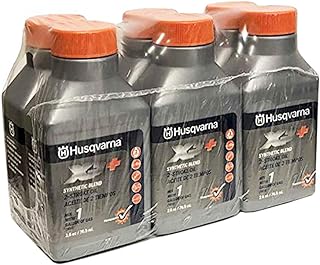


Multi-Purpose Oils: Discover if multi-purpose oils are suitable for quad bikes and their potential advantages
Multi-purpose oils have gained popularity due to their versatility and convenience, but their suitability for quad bikes is a topic of debate among enthusiasts and mechanics. These oils are designed to perform various functions, such as lubricating moving parts, protecting against corrosion, and providing a barrier against dirt and debris. However, quad bikes have specific requirements that may not be fully met by multi-purpose oils.
One potential advantage of using multi-purpose oils in quad bikes is their ability to simplify maintenance routines. Instead of needing separate oils for different components, a single multi-purpose oil can be used for various tasks, saving time and money. Additionally, these oils often contain additives that can enhance performance and longevity, such as anti-wear agents and antioxidants.
Despite these benefits, it is crucial to consider the specific needs of a quad bike's engine and transmission system. Quad bikes typically require oils with high viscosity and specific additive packages to ensure proper lubrication and protection under the demanding conditions of off-road use. Multi-purpose oils may not provide the necessary level of protection against extreme temperatures, pressures, and contaminants.
Before deciding to use a multi-purpose oil in a quad bike, it is essential to consult the manufacturer's recommendations and research the specific oil's properties and performance. Some multi-purpose oils may be suitable for certain quad bike models or applications, but it is crucial to ensure that the oil meets the required specifications and provides adequate protection.
In conclusion, while multi-purpose oils offer convenience and versatility, their suitability for quad bikes depends on various factors, including the specific needs of the bike's engine and transmission system. It is essential to carefully evaluate the oil's properties and performance before making a decision, and to always follow the manufacturer's recommendations to ensure optimal performance and protection.
Unveiling the Strength: Metals That Power Your Bicycle's Performance
You may want to see also
Explore related products

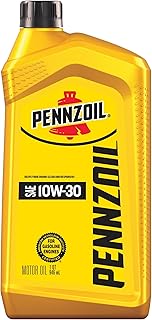


Brand Recommendations: Explore popular and reliable brands that manufacture oils specifically for quad bikes
When selecting oil for your quad bike, choosing the right brand is crucial to ensure optimal performance and longevity of your vehicle. Here are some popular and reliable brands that specialize in manufacturing oils specifically for quad bikes:
- Castrol: Known for their high-quality lubricants, Castrol offers a range of oils suitable for quad bikes. Their products are designed to provide excellent protection against wear and corrosion, ensuring smooth operation of your vehicle.
- Mobil 1: Mobil 1 is another reputable brand that produces synthetic oils for quad bikes. Their oils are engineered to offer superior performance in extreme temperatures, making them ideal for riders who frequently use their quad bikes in harsh conditions.
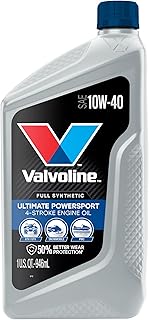
- Valvoline: Valvoline is a well-established brand in the automotive industry, and they also offer oils specifically formulated for quad bikes. Their products are known for their durability and ability to maintain viscosity over time, providing consistent protection for your engine.
- Agrol: Agrol is a specialized brand that focuses on producing oils for off-road vehicles, including quad bikes. Their oils are designed to withstand the unique challenges of off-road riding, such as dust, dirt, and variable terrain.
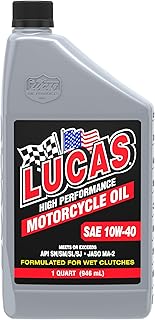
- Lucas Oil: Lucas Oil is a popular choice among quad bike enthusiasts due to their high-performance oils. Their products are formulated with advanced additives to improve engine efficiency and reduce wear, ensuring your quad bike runs smoothly for years to come.
When choosing a brand, it's important to consider factors such as the type of oil (synthetic vs. conventional), viscosity rating, and any specific additives or features that may benefit your quad bike. Additionally, be sure to check the manufacturer's recommendations for oil changes and maintenance to ensure you're getting the most out of your chosen brand.
Measuring Bike Trails: The Essential Guide to Metric Units
You may want to see also
Explore related products


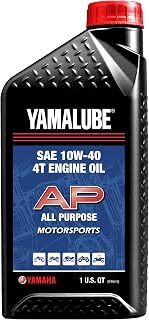
Oil Change Frequency: Determine the optimal frequency for changing oil in a quad bike based on usage and manufacturer guidelines
Determining the optimal frequency for changing oil in a quad bike is crucial for maintaining its performance and longevity. Manufacturer guidelines often recommend an oil change every 50 to 100 hours of operation or every 6 to 12 months, whichever comes first. However, this can vary depending on the specific model and usage conditions. For instance, if the quad bike is used in harsh environments, such as dusty or muddy terrains, more frequent oil changes may be necessary to prevent contamination and ensure proper lubrication.
To determine the best oil change frequency for your quad bike, start by consulting the owner's manual for specific recommendations. Then, consider the type of usage the bike undergoes. If it's primarily used for recreational purposes on well-maintained trails, the standard guidelines may suffice. However, if it's subjected to heavy-duty use, such as in agricultural or construction settings, more frequent changes will likely be required.
Another factor to consider is the quality of the oil used. High-quality synthetic oils can last longer than conventional oils, potentially reducing the frequency of changes. However, it's essential to balance the cost of premium oil with the benefits of extended service intervals.
Regularly checking the oil level and condition can also help in determining when a change is necessary. Look for signs of contamination, such as dirt or metal particles, and monitor the oil's viscosity. If it appears too thick or too thin, it may be time for a change.
In conclusion, the optimal oil change frequency for a quad bike depends on a combination of manufacturer guidelines, usage conditions, and the quality of the oil used. By considering these factors and regularly monitoring the oil's condition, you can ensure that your quad bike remains in top performance and avoid costly repairs due to neglected maintenance.
Exploring the Strength and Durability of Bike Frame Metals
You may want to see also