Matthew Brooks

Choosing the right bike chain is crucial for ensuring smooth and efficient cycling. A well-selected chain can enhance your bike's performance, reduce wear and tear, and provide a safer riding experience. When selecting a bike chain, it's important to consider factors such as the type of bike you have, the gear system, the chain's material and construction, its compatibility with your bike's drivetrain, and your riding style and conditions. This guide will walk you through these considerations to help you make an informed decision.
Explore related products


What You'll Learn
- Chain Size and Pitch: Determine the chain size based on your bike's cassette and chainring
- Material and Durability: Choose between steel, nickel-plated, or gold-plated chains for varying durability and weight
- Lubrication and Maintenance: Consider self-lubricating chains or those requiring regular maintenance for optimal performance
- Compatibility with Gears: Ensure the chain is compatible with your bike's gear system for smooth shifting
- Budget and Brand: Select a chain that fits your budget while considering reputable brands for quality assurance

Chain Size and Pitch: Determine the chain size based on your bike's cassette and chainring
To determine the correct chain size for your bike, you need to consider the cassette and chainring sizes. The cassette is the cluster of gears attached to the rear wheel, and the chainring is the gear attached to the front chainset. The chain size is typically determined by the number of teeth on the smallest chainring and the largest cog in the cassette.
First, count the number of teeth on the smallest chainring. This is usually the front gear closest to the pedals. Then, count the number of teeth on the largest cog in the cassette, which is the rear gear furthest from the pedals. Once you have these numbers, you can use a chain size chart to determine the appropriate chain length.
For example, if your smallest chainring has 30 teeth and your largest cog has 32 teeth, you would look for a chain that is compatible with a 30/32 gear combination. The chart will provide the recommended chain length in inches or links.
It's important to note that chain size can also be affected by the derailleur type and the frame geometry. Some bikes may require a longer or shorter chain depending on these factors. Always consult your bike's manual or a professional mechanic if you're unsure about the correct chain size.
In addition to the size, you should also consider the chain's pitch. The pitch is the distance between the center of one pin and the center of the next. Most modern bike chains have a pitch of 1/2 inch, but some older bikes may have a different pitch. Make sure to select a chain with the correct pitch for your bike's drivetrain.
Finally, when installing the new chain, it's crucial to ensure proper tension. A chain that is too loose can slip off the gears, while a chain that is too tight can cause excessive wear and tear. Use a chain tension gauge to check the tension and adjust as necessary.
Revive Your Ride: A Step-by-Step Guide to Replacing a Rusty Bike Chain
You may want to see also
Explore related products


Material and Durability: Choose between steel, nickel-plated, or gold-plated chains for varying durability and weight
When selecting a bike chain, the material and durability are crucial factors to consider. Steel chains are the most common and affordable option, offering good strength and durability for everyday use. However, they are prone to rust and corrosion, which can lead to premature wear and breakage. To combat this, many steel chains are treated with a protective coating, such as nickel plating. Nickel-plated chains offer improved corrosion resistance and a longer lifespan than untreated steel chains, making them a good choice for riders who frequently encounter wet or salty conditions.
Gold-plated chains, on the other hand, are a more premium option. They offer superior corrosion resistance and a longer lifespan than both steel and nickel-plated chains. Additionally, gold-plated chains are lighter in weight, which can be beneficial for competitive cyclists looking to shave off every gram of weight. However, they are also the most expensive option and may not be necessary for casual riders.
When choosing between these materials, consider your riding habits and environment. If you frequently ride in wet or salty conditions, a nickel-plated or gold-plated chain may be a better investment. If you're a competitive cyclist looking to minimize weight, a gold-plated chain may be the way to go. For everyday riders in dry conditions, a standard steel chain may be sufficient.
It's also important to note that the durability of a chain is not solely determined by its material. Proper maintenance, such as regular cleaning and lubrication, is essential to prolonging the life of any chain. Additionally, the chain's pitch and roller diameter can affect its durability and compatibility with your bike's drivetrain.
In conclusion, when selecting a bike chain, consider the material and durability based on your riding habits and environment. Steel chains are a good option for everyday riders, while nickel-plated and gold-plated chains offer improved corrosion resistance and longer lifespans for more demanding conditions. Remember to also consider proper maintenance and compatibility with your bike's drivetrain to ensure the best performance and longevity.
Mastering Bike Maintenance: A Guide to Replacing Your Shimano Chain
You may want to see also
Explore related products


Lubrication and Maintenance: Consider self-lubricating chains or those requiring regular maintenance for optimal performance
When selecting a bike chain, one crucial aspect to consider is the lubrication and maintenance requirements. Self-lubricating chains, often made with materials like PTFE or ceramic, offer the advantage of reduced maintenance needs. These chains are designed to repel dirt and grime, ensuring smoother operation over longer periods without the need for frequent lubrication. However, they may come at a higher initial cost compared to traditional chains.
On the other hand, chains that require regular maintenance can be more cost-effective upfront but demand consistent care to perform optimally. Regular cleaning and lubrication are essential to prevent wear and tear, reduce friction, and prolong the chain's lifespan. It's important to use the right type of lubricant, as some can attract more dirt, leading to a buildup of grime that can hinder performance.
The frequency of maintenance depends on various factors, including the type of riding, environmental conditions, and the quality of the chain. For instance, chains used in off-road or wet conditions may require more frequent cleaning and lubrication compared to those used in dry, urban environments. Neglecting proper maintenance can lead to premature wear, reduced efficiency, and even safety hazards.
In summary, when choosing a bike chain, consider your willingness and ability to commit to regular maintenance. If you prefer a low-maintenance option, self-lubricating chains may be the better choice. However, if you're willing to invest time in upkeep to save on initial costs, traditional chains requiring regular maintenance could be more suitable. Proper care and attention to the chain's lubrication and maintenance needs are key to ensuring optimal performance and longevity.
Mastering Bike Maintenance: The Essential Guide to Resizing Your Chain
You may want to see also
Explore related products



Compatibility with Gears: Ensure the chain is compatible with your bike's gear system for smooth shifting
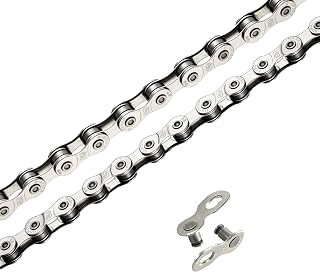
Ensuring compatibility with your bike's gear system is crucial for smooth shifting and optimal performance. The first step is to determine the speed of your bike's drivetrain, as this will dictate the type of chain you need. For example, a 10-speed bike requires a chain with a specific pitch and roller diameter to fit the smaller sprockets. Once you've identified the speed, check the chain's pitch, which is the distance between the center of two pins. This measurement must match the spacing of your bike's sprockets for seamless shifting.
Next, consider the chain's roller diameter. This is the diameter of the cylindrical rollers that make contact with the sprockets. The roller diameter must be compatible with the internal width of your bike's chainrings. If the rollers are too large, they won't fit into the narrower chainrings, and if they're too small, they'll slip off the wider ones.
Another important factor is the chain's length. Measure the distance between the two chainrings and add a few links to accommodate the derailleur's movement. A chain that's too short will limit your gear range, while one that's too long will cause shifting problems and increase wear on your drivetrain.
When selecting a chain, also consider the material and construction. High-quality chains are made from durable materials like steel or titanium and feature a precise manufacturing process that ensures consistent performance. Some chains also have a directional design, which means they're optimized for a specific direction of rotation. Make sure to install the chain in the correct direction to avoid shifting issues.
Finally, don't forget to properly lubricate your chain. A well-lubricated chain will reduce friction, prevent wear, and ensure smooth shifting. Use a lubricant specifically designed for bike chains and apply it sparingly to avoid attracting dirt and debris. Regularly cleaning and maintaining your chain will also help prolong its life and keep your bike's gear system running smoothly.
Mastering Bike Maintenance: Safe Chain Link Removal Guide
You may want to see also
Explore related products


Budget and Brand: Select a chain that fits your budget while considering reputable brands for quality assurance
When selecting a bike chain, it's crucial to strike a balance between budget constraints and the assurance of quality that comes with reputable brands. This doesn't mean you have to break the bank, but rather that you should be strategic in your choices to ensure you're getting the best value for your money. Start by setting a realistic budget based on your cycling needs and frequency. If you're a casual rider, you may not need to invest in a top-of-the-line chain, whereas competitive cyclists might prioritize performance and durability over cost.
Research various bike chain brands and their offerings within your price range. Look for brands with a strong reputation for quality and reliability, as these are often backed by years of experience and customer satisfaction. Reading reviews and seeking recommendations from fellow cyclists or bike shop staff can provide valuable insights into which brands deliver on their promises. Keep in mind that some lesser-known brands may offer comparable quality at a lower price point, so don't limit yourself to the most popular names.
Consider the materials used in the chain's construction, as this can significantly impact its performance and longevity. High-quality chains are typically made from durable metals like steel or aluminum, with some featuring advanced coatings or treatments to enhance corrosion resistance and reduce friction. While these materials may come at a higher upfront cost, they can ultimately save you money by reducing the need for frequent replacements.
Another factor to consider is the chain's compatibility with your bike's drivetrain. Ensure that the chain you choose is the correct size and type for your bike's cassette and chainrings, as using an incompatible chain can lead to poor performance and potential damage to your drivetrain components. If you're unsure about compatibility, consult your bike's manual or seek advice from a professional mechanic.
Finally, don't overlook the importance of proper maintenance and care for your bike chain. Regular cleaning and lubrication can significantly extend the life of your chain and maintain its performance, regardless of the brand or price point. By following these guidelines and being mindful of your budget and brand preferences, you can select a bike chain that meets your needs without compromising on quality or performance.
Effortless Bike Maintenance: Mastering the Art of Chain Replacement
You may want to see also