Lauren Kennedy
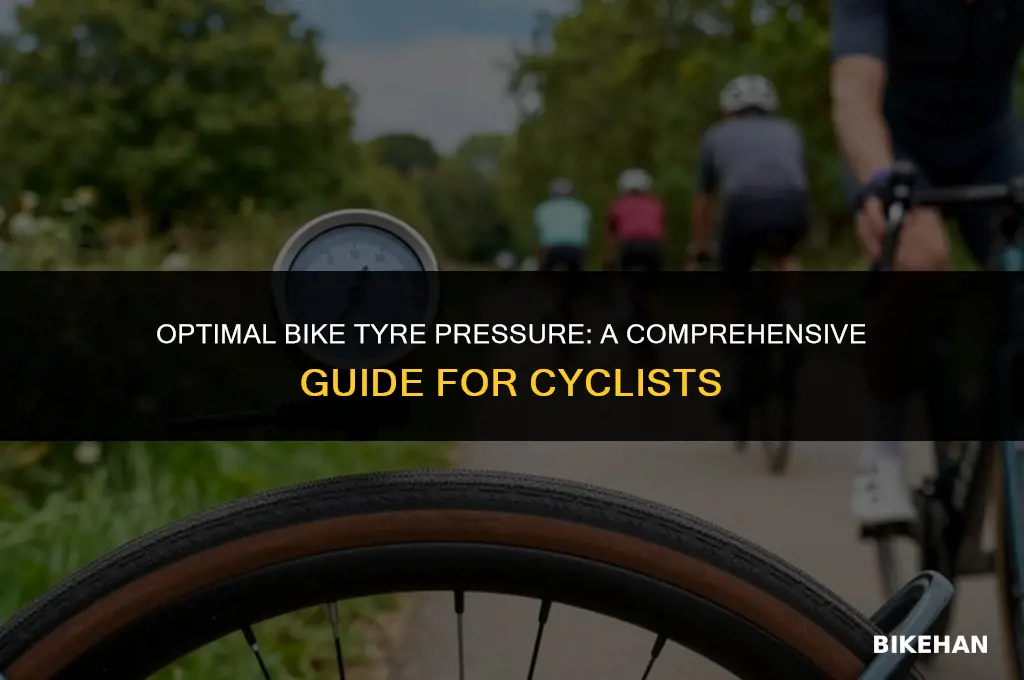
Proper tire pressure is crucial for both the performance and safety of a bicycle. The ideal pressure varies depending on several factors, including the type of bike, the rider's weight, and the riding conditions. For road bikes, which are designed for speed and efficiency on paved surfaces, the recommended tire pressure is typically between 80 and 120 psi (pounds per square inch). Mountain bikes, which are built for off-road use, usually require lower pressures, ranging from 30 to 50 psi, to provide better traction and shock absorption on rough terrain. Hybrid and commuter bikes fall somewhere in between, with recommended pressures of 50 to 70 psi. It's important to regularly check and adjust tire pressure to ensure optimal performance, prevent flats, and maintain control while riding.
Explore related products


What You'll Learn
- Recommended Pressure: Optimal pressure ranges for different types of bicycles and riding conditions
- Pressure Checking: Methods and tools to accurately measure tire pressure regularly
- Inflation Techniques: Best practices for inflating tires to the correct pressure, including manual and CO2 methods
- Pressure Effects: How tire pressure impacts ride quality, speed, and safety on various terrains
- Common Issues: Troubleshooting problems related to tire pressure, such as leaks and inconsistent readings

Recommended Pressure: Optimal pressure ranges for different types of bicycles and riding conditions
For road bicycles, the optimal pressure range is typically between 80-120 PSI. This higher pressure range is suitable for the smooth surfaces and high speeds commonly associated with road cycling. It reduces rolling resistance, allowing for greater efficiency and speed. However, it's crucial to adjust this pressure based on the rider's weight and the specific road conditions. For instance, heavier riders may require higher pressures to prevent tire deformation, while lighter riders can use lower pressures for a more comfortable ride.
Mountain bikes, on the other hand, require a lower pressure range of 30-50 PSI. This is due to the rough and uneven terrain they are designed to handle. Lower pressures provide better traction and shock absorption, which are essential for off-road cycling. The specific pressure within this range should be adjusted based on the type of trails being ridden. For example, rocky and technical trails may require lower pressures for improved grip, while smoother dirt paths can accommodate higher pressures for faster speeds.
Hybrid and commuter bicycles, which are designed for a mix of road and light off-road use, typically require pressures in the range of 50-70 PSI. This middle ground provides a balance between the high pressures needed for road efficiency and the lower pressures required for off-road traction. Riders should adjust the pressure based on their primary riding conditions and the weight they carry with them, such as panniers or backpacks.
In addition to the type of bicycle, riding conditions also play a significant role in determining the optimal tire pressure. Wet and slippery conditions, for example, may require lower pressures for improved grip. Conversely, dry and dusty conditions can accommodate higher pressures for better speed and efficiency. Temperature also affects tire pressure, with colder temperatures causing pressures to drop and warmer temperatures causing them to rise. It's essential to regularly check and adjust tire pressures to account for these environmental factors.
Ultimately, the key to finding the optimal tire pressure is experimentation and observation. Riders should start with the recommended pressure ranges for their specific bicycle type and riding conditions, then make adjustments based on their personal preferences and the performance of their bike. Regularly monitoring tire pressure and making necessary adjustments will ensure a safer, more comfortable, and more efficient riding experience.
Revamping Your Ride: A Guide to Painting Your Street Bike
You may want to see also
Explore related products


Pressure Checking: Methods and tools to accurately measure tire pressure regularly
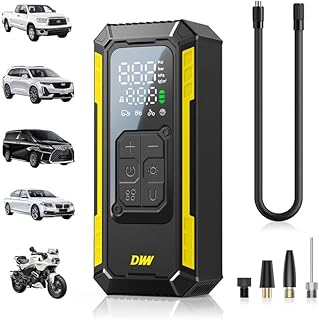
Regularly checking tire pressure is crucial for maintaining optimal bike performance and safety. One method is using a floor pump with a built-in gauge, which allows for precise inflation to the recommended pressure. Another tool is a handheld air pressure gauge, which can be used to check the pressure quickly and conveniently. For more accuracy, digital gauges are recommended as they provide a more precise reading. It's important to check the pressure when the tires are cold, as heat can cause the pressure to increase, leading to inaccurate readings. Additionally, it's recommended to check the pressure at least once a month and before long rides to ensure the tires are properly inflated.
When checking tire pressure, it's important to follow the manufacturer's recommended pressure, which can usually be found on the tire's sidewall or in the bike's manual. Overinflating or underinflating the tires can lead to a variety of issues, including decreased traction, increased risk of punctures, and reduced bike handling. It's also important to inspect the tires for any signs of wear or damage, as this can affect the pressure and overall performance of the bike.
In addition to regular pressure checks, it's important to consider the type of terrain and riding conditions when determining the optimal tire pressure. For example, lower pressure may be recommended for off-road riding to increase traction, while higher pressure may be recommended for road riding to reduce rolling resistance. It's also important to consider the rider's weight and riding style, as these factors can affect the optimal tire pressure.
To ensure accurate pressure readings, it's important to calibrate the gauge regularly and replace it if it becomes inaccurate. Additionally, it's recommended to use a pressure gauge with a bleed valve, which allows for easy release of air to achieve the desired pressure. When inflating the tires, it's important to do so slowly and check the pressure frequently to avoid overinflating. Finally, it's important to store the bike in a cool, dry place to prevent the tires from losing pressure due to temperature fluctuations.
Unleashing the Beast: Power Output of Pro Motocross Bikes Explained
You may want to see also
Explore related products


Inflation Techniques: Best practices for inflating tires to the correct pressure, including manual and CO2 methods
To inflate a bicycle tire to the correct pressure, you'll need to follow a few key steps. First, check the tire's recommended pressure range, which is usually printed on the sidewall. This range will vary depending on the type of bike and riding conditions. For example, road bikes typically require higher pressures (around 80-120 PSI) for better speed and efficiency, while mountain bikes need lower pressures (around 30-50 PSI) for improved traction and comfort.
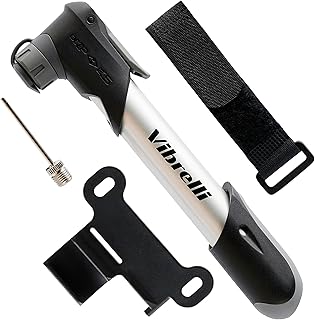
Once you know the recommended pressure, you can use a manual pump or a CO2 inflator to inflate the tire. Manual pumps are more common and come in various types, such as floor pumps, hand pumps, and frame pumps. CO2 inflators are faster and more convenient, but they require purchasing CO2 cartridges.
When using a manual pump, start by attaching the pump's hose to the tire's valve. Make sure the connection is secure to avoid any air leaks. Then, pump air into the tire until it reaches the desired pressure. Check the pressure regularly using a tire pressure gauge to ensure you don't overinflate the tire.
If you're using a CO2 inflator, the process is similar. Attach the CO2 cartridge to the inflator, then connect the inflator to the tire's valve. Open the valve on the CO2 cartridge to release air into the tire. Again, check the pressure frequently to avoid overinflation.
It's important to note that tire pressure can affect your bike's handling and safety. Underinflated tires can lead to a sluggish ride and increased risk of punctures, while overinflated tires can make your bike more difficult to control and increase the likelihood of a blowout. Therefore, it's crucial to regularly check and maintain your bike's tire pressure to ensure a safe and enjoyable ride.
Understanding the Weight Capacity of Your Carbon Bike
You may want to see also
Explore related products


Pressure Effects: How tire pressure impacts ride quality, speed, and safety on various terrains
Tire pressure plays a crucial role in determining the ride quality, speed, and safety of a bicycle on different terrains. The optimal pressure can vary significantly depending on the type of terrain and the rider's preferences. For instance, on smooth roads, higher tire pressure can lead to reduced rolling resistance, resulting in increased speed and efficiency. However, on rough or uneven surfaces, lower tire pressure can provide better traction and shock absorption, enhancing ride comfort and control.
One of the key effects of tire pressure on ride quality is its impact on the tire's contact patch. Higher pressure results in a smaller contact patch, which can lead to a harsher ride on rough surfaces. Conversely, lower pressure increases the contact patch, providing better grip and a smoother ride on uneven terrain. This is particularly important for mountain bikers, who often encounter rocky, muddy, or loose surfaces where tire traction is critical for safety and performance.
In terms of speed, the relationship between tire pressure and rolling resistance is well-documented. Higher tire pressure reduces rolling resistance, allowing the bike to roll more efficiently and achieve higher speeds with less effort. This is especially beneficial for road cyclists who prioritize speed and endurance. However, it's essential to note that excessively high tire pressure can lead to a loss of traction and increased risk of punctures, particularly on rough or debris-strewn roads.
Safety is another critical aspect affected by tire pressure. Properly inflated tires are less likely to puncture or blow out, reducing the risk of accidents. Additionally, optimal tire pressure ensures better handling and control, which is vital for navigating obstacles and maintaining stability at high speeds or on challenging terrain. Riders should regularly check and adjust their tire pressure to ensure it aligns with the specific demands of their riding conditions.
In conclusion, understanding the effects of tire pressure on ride quality, speed, and safety is essential for cyclists of all levels. By selecting the appropriate tire pressure for their specific needs and riding conditions, cyclists can enhance their overall riding experience, improve their performance, and reduce the risk of accidents or mechanical issues.
Understanding the Weight Capacity of Your Cannondale Carbon Bike
You may want to see also
Explore related products


Common Issues: Troubleshooting problems related to tire pressure, such as leaks and inconsistent readings
One common issue cyclists face is inconsistent tire pressure readings. This can be due to several factors, including temperature fluctuations, minor leaks, or even the type of gauge used. To troubleshoot this problem, start by ensuring your gauge is accurate. You can do this by comparing its readings to those of a known accurate gauge or by checking the pressure at a professional bike shop. If your gauge is accurate, the next step is to check for leaks. Inspect the tire for any visible punctures or cuts, and don't forget to check the valve stem as well. If you find a leak, patch it up or replace the tube as necessary.
Another issue that can lead to inconsistent readings is temperature. Tire pressure can fluctuate significantly with temperature changes. For example, if you inflate your tires in a warm garage and then ride in cold weather, the pressure will drop. To avoid this, try to inflate your tires at the temperature you'll be riding in. If you're unsure about the correct pressure for your specific bike and riding conditions, consult your bike's manual or a professional at a bike shop. They can provide you with the optimal pressure range based on your bike's specifications and the type of riding you'll be doing.
In addition to these steps, it's important to regularly inspect your tires for signs of wear and tear. Worn tires are more prone to leaks and can also affect your bike's handling. Look for any cracks, cuts, or bald spots on the tire's surface. If you notice any of these signs, it's time to replace your tires. Finally, always remember to check your tire pressure before every ride. This simple habit can help you avoid many common tire-related problems and ensure a safe and enjoyable cycling experience.
Exploring the Cost of Peloton Bikes: A Comprehensive Guide
You may want to see also
Frequently asked questions
The recommended tire pressure for a road bike typically ranges from 80 to 120 PSI (pounds per square inch). However, the optimal pressure can vary depending on factors such as rider weight, riding style, and road conditions.
To check the tire pressure on your bike, you'll need a tire pressure gauge. Simply remove the valve cap from the tire's valve stem, press the gauge onto the valve, and read the pressure displayed on the gauge. Make sure to check the pressure when the tires are cold for the most accurate reading.
Overinflating your bike tires can lead to a harsher ride, reduced traction, and an increased risk of punctures. Underinflating your tires can result in decreased efficiency, increased rolling resistance, and a higher likelihood of tire damage or blowouts. Maintaining the proper tire pressure is crucial for both performance and safety.