Eric Johnson
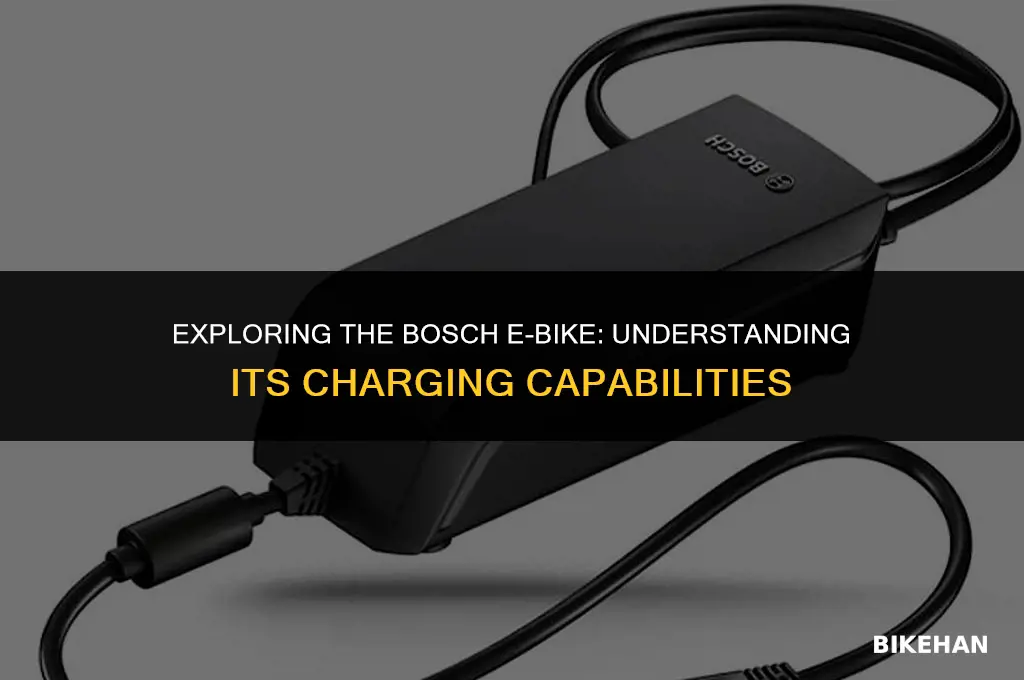
The Bosch e-bike battery is a crucial component that powers the electric motor, providing the necessary assistance for riders. One common question among e-bike enthusiasts is regarding the number of charges a Bosch e-bike battery can handle before its performance starts to degrade. The lifespan of an e-bike battery is typically measured in charge cycles, which refers to the number of times the battery can be fully charged and discharged. Understanding how many charges a Bosch e-bike battery can endure is essential for maintaining its longevity and ensuring optimal performance.
Explore related products


What You'll Learn
- Battery Capacity: Understanding the energy storage of Bosch e-bike batteries and their impact on range
- Charging Time: Factors affecting the time required to fully charge a Bosch e-bike battery
- Charger Types: Overview of different chargers available for Bosch e-bikes and their specifications
- Battery Lifespan: Insights into the durability and longevity of Bosch e-bike batteries under various conditions
- Maintenance Tips: Best practices for maintaining and prolonging the life of Bosch e-bike batteries

Battery Capacity: Understanding the energy storage of Bosch e-bike batteries and their impact on range
Bosch e-bike batteries are designed to provide reliable and efficient energy storage for electric bicycles. The capacity of these batteries is a critical factor in determining the range and performance of the e-bike. Typically, Bosch e-bike batteries have a capacity ranging from 300Wh to 750Wh, with higher capacities offering longer ranges.
The energy storage capacity of a battery is measured in watt-hours (Wh), which is a unit of energy equivalent to one watt of power expended for one hour of time. For example, a 500Wh battery can theoretically provide 500 watts of power for one hour, or 100 watts of power for five hours. However, the actual range achieved will depend on various factors such as the e-bike's efficiency, the rider's weight, the terrain, and the level of pedal assistance used.
To maximize the range of a Bosch e-bike, it's essential to understand how to manage the battery's energy effectively. This includes avoiding deep discharges, charging the battery regularly, and using the appropriate power modes for different riding conditions. Bosch e-bike batteries are equipped with a Battery Management System (BMS) that helps to optimize charging and discharging processes, ensuring the longevity and performance of the battery.
In addition to the battery's capacity, the charging time is also an important consideration for e-bike users. Bosch e-bike batteries can be charged using a standard wall outlet or a dedicated charging station. The charging time varies depending on the battery's capacity and the charger's power output, but it typically ranges from 2.5 to 6 hours for a full charge.
Understanding the battery capacity and charging requirements of a Bosch e-bike is crucial for ensuring a smooth and enjoyable riding experience. By managing the battery's energy effectively and following proper charging practices, e-bike users can maximize their range and minimize downtime, making the most of their electric bicycle investment.
Revving Up the Facts: MotoGP Bike Engine Capacities Explained
You may want to see also
Explore related products




Charging Time: Factors affecting the time required to fully charge a Bosch e-bike battery
The charging time for a Bosch e-bike battery can vary significantly based on several factors. One of the primary influences is the battery's capacity, measured in watt-hours (Wh). Higher capacity batteries naturally take longer to charge. For instance, a 500Wh battery will generally take longer to reach full charge compared to a 300Wh battery.
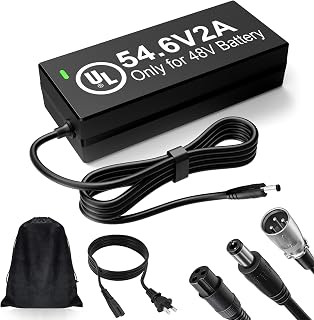
Another critical factor is the charger's power output. Bosch offers different chargers with varying power outputs, typically ranging from 2A to 6A. A charger with a higher amperage will charge the battery faster. For example, using a 6A charger will reduce the charging time for a 500Wh battery compared to using a 2A charger.
Environmental conditions also play a role in charging time. Extreme temperatures, both hot and cold, can slow down the charging process. It's recommended to charge the battery in a moderate temperature environment to ensure optimal charging speed and battery health.
The battery's state of depletion affects charging time as well. A battery that is completely depleted will take longer to charge than one that is only partially discharged. This is because the charging process involves not only replenishing the battery's energy but also managing the battery's internal chemistry to ensure safe and efficient charging.
Lastly, the age and condition of the battery can impact charging time. As batteries age, their ability to hold a charge and accept new energy can diminish, leading to longer charging times. Regular maintenance and proper storage can help mitigate this effect, but it's an inevitable aspect of battery technology.
In summary, the charging time for a Bosch e-bike battery is influenced by the battery's capacity, the charger's power output, environmental conditions, the battery's state of depletion, and its age and condition. Understanding these factors can help e-bike owners optimize their charging routines and ensure they get the most out of their batteries.
Rev Up Your Metabolism: The Calorie-Burning Power of Air Biking
You may want to see also
Explore related products


Charger Types: Overview of different chargers available for Bosch e-bikes and their specifications
Bosch e-bikes offer a range of chargers designed to meet different charging needs and preferences. The standard charger that comes with most Bosch e-bikes is the 2A charger, which provides a balance between charging speed and portability. This charger is suitable for everyday use and can fully charge a depleted battery in approximately 4.5 to 5 hours.
For those who require faster charging times, Bosch offers the 4A fast charger. This charger can reduce charging time by up to 50%, allowing riders to get back on the road more quickly. The 4A charger is particularly useful for riders who cover long distances or need to recharge their bikes rapidly between trips.
In addition to the standard and fast chargers, Bosch also offers a travel charger designed for use in countries with different electrical standards. This charger comes with interchangeable plugs for various regions, making it a convenient option for international travelers.
For riders who prefer to charge their bikes indoors, Bosch offers a wall-mounted charging station. This station can be installed in a garage or other indoor space, providing a secure and convenient charging solution. The wall-mounted station is available in both 2A and 4A versions, allowing riders to choose the charging speed that best suits their needs.
When selecting a charger for a Bosch e-bike, it's important to consider factors such as charging speed, portability, and convenience. Riders should choose a charger that aligns with their typical usage patterns and charging requirements. For example, a rider who frequently travels long distances may benefit from the 4A fast charger, while a rider who primarily uses their bike for short commutes may find the standard 2A charger sufficient.
In conclusion, Bosch offers a variety of chargers to suit different charging needs and preferences. By understanding the specifications and benefits of each charger type, riders can select the option that best meets their requirements, ensuring they can enjoy their e-bikes to the fullest.
Elliptical Bike Workout: Calories Burned and Fitness Benefits Revealed
You may want to see also
Explore related products


Battery Lifespan: Insights into the durability and longevity of Bosch e-bike batteries under various conditions
Bosch e-bike batteries are engineered to withstand a variety of conditions, but their lifespan can be significantly influenced by how they are used and maintained. One key factor is the number of charge cycles the battery undergoes. A charge cycle is completed when the battery is discharged from 100% to 0% and then recharged back to 100%. Bosch batteries typically have a lifespan of around 500 to 1,000 charge cycles, depending on the model and usage patterns.
Temperature also plays a crucial role in battery longevity. Extreme heat or cold can degrade the battery's performance and reduce its lifespan. It is recommended to store the battery in a cool, dry place away from direct sunlight and heat sources. Additionally, avoiding deep discharges (below 20%) can help prolong the battery's life, as can keeping it partially charged when not in use for extended periods.
Another important consideration is the charging method. Using the correct charger and following the manufacturer's guidelines for charging can help prevent damage to the battery. Overcharging or using an incompatible charger can lead to reduced performance and a shorter lifespan. Regular maintenance, such as cleaning the battery contacts and checking for any signs of wear or damage, can also help ensure optimal performance and longevity.
In summary, the durability and longevity of Bosch e-bike batteries are influenced by factors such as charge cycles, temperature, charging methods, and maintenance. By understanding and managing these factors, e-bike owners can help maximize the lifespan of their batteries and ensure reliable performance.
Exploring London's Streets: The Abundance of Boris Bikes
You may want to see also
Explore related products



Maintenance Tips: Best practices for maintaining and prolonging the life of Bosch e-bike batteries
To maintain and prolong the life of Bosch e-bike batteries, it is essential to follow proper charging practices. One key tip is to avoid overcharging the battery, as this can lead to reduced capacity and lifespan. Bosch recommends charging the battery to 100% only when necessary and allowing it to discharge to around 20-30% before recharging. This practice helps to prevent the battery from overheating and reduces the strain on the cells.
Another important maintenance tip is to store the battery in a cool, dry place when not in use. Extreme temperatures, both hot and cold, can negatively impact the battery's performance and longevity. It is also advisable to keep the battery away from direct sunlight and moisture, as these factors can accelerate the aging process.
Regular cleaning of the battery contacts is crucial for maintaining a strong connection between the battery and the e-bike. Dirt and debris can accumulate on the contacts over time, leading to poor conductivity and reduced performance. To clean the contacts, simply use a soft, dry cloth to wipe away any dirt or grime.
In addition to these practices, it is important to monitor the battery's performance and address any issues promptly. If you notice a significant decrease in the battery's range or if it fails to hold a charge, it may be time to replace the battery. Bosch e-bike batteries typically have a lifespan of 2-5 years, depending on usage and maintenance.
By following these maintenance tips, you can help to ensure that your Bosch e-bike battery remains in good condition and provides reliable performance for years to come.
Rev Up Your Workout: Calorie-Burning Benefits of Desk Biking
You may want to see also
Frequently asked questions
A Bosch e-bike battery can typically handle between 500 to 1000 full charge cycles before its capacity significantly diminishes and it needs to be replaced.
Factors such as the battery's age, the frequency of use, the depth of discharge, and the storage conditions can all affect the number of charges a Bosch e-bike battery can handle.
It typically takes about 4.5 to 6 hours to fully charge a Bosch e-bike battery using a standard charger.
Yes, you can extend the lifespan of your Bosch e-bike battery by avoiding extreme temperatures, not fully discharging the battery, and storing it in a cool, dry place when not in use.