Megan Blake
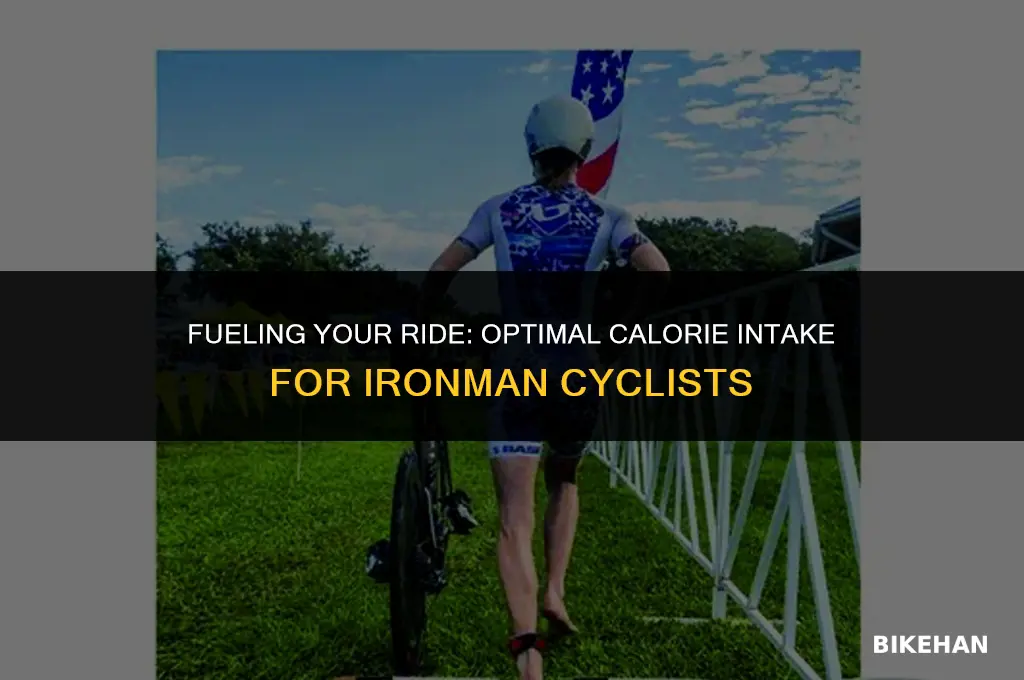
During a bike Ironman, athletes need to consume a carefully calculated amount of calories to maintain their energy levels and optimize their performance. The exact caloric intake can vary depending on factors such as the athlete's weight, age, gender, and the intensity of the race. Generally, endurance athletes may require anywhere from 200 to 400 calories per hour to sustain their effort over the course of the event. It's crucial to balance carbohydrate, protein, and fat intake to ensure a steady supply of energy without causing gastrointestinal distress. Additionally, staying hydrated and monitoring electrolyte levels is essential for overall performance and safety.
Explore related products




What You'll Learn
- Caloric Needs Calculation: Determine daily caloric needs based on age, weight, height, and activity level
- Training Phase Nutrition: Adjust calorie intake during training phases to support endurance and recovery
- Race Day Nutrition: Develop a nutrition plan for race day, including timing and types of food
- Hydration Strategies: Ensure adequate hydration before, during, and after the race to maintain performance
- Post-Race Recovery: Focus on nutrient-dense foods to aid in muscle repair and replenishment after the event

Caloric Needs Calculation: Determine daily caloric needs based on age, weight, height, and activity level
To accurately determine daily caloric needs for an event like a bike Ironman, it's essential to consider several key factors: age, weight, height, and activity level. These elements play a crucial role in calculating the total energy expenditure and, consequently, the caloric intake required to maintain performance and recovery.
Age is a significant factor as it affects metabolism. Generally, metabolism slows down with age, meaning older athletes may require fewer calories than their younger counterparts. Weight and height are also critical, as they influence the amount of energy needed to sustain bodily functions and physical activity. A higher body weight typically requires more calories, while height can impact the overall energy expenditure due to differences in body surface area and muscle mass.
Activity level is perhaps the most variable factor, especially in the context of a bike Ironman. The intensity and duration of the event will significantly impact caloric needs. For instance, a cyclist participating in a long-distance Ironman will require substantially more calories than someone engaging in a shorter, less intense ride. It's also important to consider the type of activity; cycling primarily engages the lower body, which can influence how calories are burned and utilized.
To calculate caloric needs, one can use various formulas and online tools designed for athletes. These methods often take into account the factors mentioned above and provide a baseline caloric requirement. However, it's crucial to remember that these calculations are estimates and may need to be adjusted based on individual differences and specific training regimens.
In addition to these calculations, practical considerations should be taken into account. For example, cyclists should ensure they are consuming a balanced diet rich in carbohydrates, proteins, and healthy fats to support their energy needs. Hydration is also vital, as dehydration can impair performance and increase the risk of cramping and other issues during the event.
Ultimately, determining daily caloric needs for a bike Ironman is a complex process that requires careful consideration of various factors. By understanding and accounting for these elements, athletes can optimize their nutrition and performance, ensuring they have the energy needed to compete at their best.
Burn Calories Fast: 15-Minute Bike Ride Workout
You may want to see also
Explore related products


$23.66 $27.95


Training Phase Nutrition: Adjust calorie intake during training phases to support endurance and recovery
During the training phase for an Ironman, your nutrition strategy should be as dynamic as your workouts. The key to optimizing your calorie intake lies in understanding the different phases of your training and how they impact your energy needs. For instance, during high-intensity interval training (HIIT) sessions, your body requires a higher caloric intake to support the bursts of energy and subsequent recovery periods. Conversely, on rest days or during low-intensity steady-state (LISS) workouts, your calorie needs will be lower.
To effectively adjust your calorie intake, consider using a periodized nutrition approach. This involves varying your macronutrient ratios and total caloric intake in alignment with your training phases. For example, during a base training phase, you might aim for a higher carbohydrate intake to support endurance, while during a taper phase, you could increase your protein intake to aid in muscle repair and recovery.
It's also crucial to pay attention to your body's signals. Monitoring your hunger levels, energy, and recovery can provide valuable insights into whether you need to adjust your calorie intake. If you're consistently feeling fatigued or experiencing poor recovery, it may be a sign that you're not consuming enough calories. On the other hand, if you're gaining weight or feeling sluggish, you might be overeating.
In addition to adjusting your calorie intake, don't forget the importance of hydration and electrolyte balance. Proper hydration is essential for optimal performance and recovery, and electrolytes play a critical role in maintaining fluid balance and preventing cramping. Aim to drink water regularly throughout the day and consider incorporating electrolyte-rich foods or supplements into your diet, especially during intense training sessions.
Finally, remember that nutrition is highly individualized, and what works for one athlete may not work for another. Experiment with different strategies during your training to find what best supports your performance and recovery. Consulting with a sports dietitian can also provide personalized guidance tailored to your specific needs and goals.
Cycling Calories: Unraveling the Mystery of Miles and Burn
You may want to see also
Explore related products


Race Day Nutrition: Develop a nutrition plan for race day, including timing and types of food
To optimize performance on race day, it's crucial to have a well-planned nutrition strategy. This plan should be tailored to the individual athlete's needs, taking into account factors such as body weight, training level, and the specific demands of the race. A balanced approach that includes carbohydrates, proteins, and fats is essential for sustained energy and recovery.
Carbohydrates are the primary source of energy for endurance athletes, and it's important to consume them strategically throughout the race. Aim to eat 60-90 grams of carbohydrates per hour, starting about 1-2 hours before the race and continuing until the finish. Good sources of carbohydrates include energy gels, sports drinks, bananas, and rice cakes.
Protein is also important for muscle repair and recovery. Include small amounts of protein in your nutrition plan, about 10-20 grams per hour, to help prevent muscle breakdown. Options for protein include protein bars, nuts, and small servings of meat or fish.
Fats can be a valuable source of energy, especially during longer races. Incorporate healthy fats such as nuts, seeds, and avocado into your nutrition plan. Aim for about 20-30 grams of fat per hour, depending on your individual needs and tolerance.
Hydration is key to maintaining performance and preventing cramping. Drink water or sports drinks regularly throughout the race, aiming for about 500-1000 ml per hour. Monitor your urine color to ensure you're staying properly hydrated – it should be a pale yellow.
Timing is critical when it comes to race day nutrition. Start eating early and continue to consume calories and fluids at regular intervals. Avoid eating large meals close to the race start, as this can lead to digestive discomfort. Instead, opt for smaller, more frequent snacks.
Remember to practice your nutrition plan during training to ensure it works for you on race day. Experiment with different foods and timing to find what works best for your body. By having a well-thought-out nutrition strategy, you can ensure you're fueling your body effectively and maximizing your performance on race day.
Calories Burned: Unraveling the Mystery of 1K Bike Rides
You may want to see also
Explore related products


Hydration Strategies: Ensure adequate hydration before, during, and after the race to maintain performance
To optimize performance during an Ironman triathlon, it's crucial to focus on hydration strategies that go beyond simply drinking water. Electrolyte balance plays a pivotal role in maintaining muscle function and preventing cramps. Incorporating electrolyte-rich foods and drinks into your pre-race meals can help ensure you start the race with optimal electrolyte levels. During the race, aim to consume a balanced mix of carbohydrates and electrolytes through energy gels, bars, and sports drinks. Post-race, prioritize rehydration with a combination of water and electrolyte-rich beverages to replenish lost fluids and minerals.
One effective strategy is to monitor your urine color throughout the day. Aim for a pale yellow hue, which indicates proper hydration. Darker urine suggests dehydration, while clear urine may indicate overhydration. Additionally, weighing yourself before and after training sessions can help you understand how much fluid you lose through sweat, allowing you to tailor your hydration plan accordingly.
It's also important to consider the environmental conditions on race day. High temperatures and humidity can significantly increase fluid loss, so adjust your hydration strategy based on the weather forecast. In hot conditions, start hydrating well in advance of the race and continue to drink fluids at regular intervals throughout the event. In cooler conditions, you may need to adjust your fluid intake to prevent overhydration.
Finally, practice your hydration strategy during training to ensure it works for you on race day. Experiment with different types of fluids and electrolytes to find what works best for your body. Remember, proper hydration is key to maintaining performance and preventing dehydration-related issues during an Ironman triathlon.
Rev Up Your Metabolism: The Calorie-Burning Power of Magnetic Bikes
You may want to see also
Explore related products




Post-Race Recovery: Focus on nutrient-dense foods to aid in muscle repair and replenishment after the event
Immediately following an Ironman event, your body enters a critical phase of recovery. The intense physical exertion depletes your muscles of essential nutrients and energy stores, making it crucial to replenish these through a carefully planned diet. Focusing on nutrient-dense foods is key to aiding muscle repair and replenishment. These foods provide the necessary vitamins, minerals, and macronutrients that your body needs to recover efficiently.
One of the most effective strategies for post-race recovery is to consume a balanced meal within 30 minutes to an hour after finishing the event. This meal should include a combination of carbohydrates and protein. Carbohydrates help to replenish glycogen stores, which are crucial for muscle function, while protein provides the amino acids needed for muscle repair. Foods such as whole grain bread, lean meats, and vegetables are excellent choices for this purpose.
In addition to a balanced meal, it's important to stay hydrated. Drinking water or sports drinks can help to replace the fluids and electrolytes lost during the race. Electrolytes, such as sodium and potassium, are particularly important for muscle function and can be replenished through foods like bananas, spinach, and yogurt.
Another key aspect of post-race recovery is to continue eating nutrient-dense foods throughout the day. This doesn't mean overeating, but rather focusing on quality over quantity. Snacking on foods like nuts, seeds, and fruits can provide a steady stream of nutrients and energy to support the recovery process.
Finally, it's important to listen to your body and adjust your diet accordingly. If you're feeling particularly sore or fatigued, you may need to increase your intake of anti-inflammatory foods, such as fatty fish, turmeric, and ginger. These foods can help to reduce inflammation and promote healing.
In summary, post-race recovery is a critical phase that requires a focused approach to nutrition. By consuming nutrient-dense foods, staying hydrated, and listening to your body's needs, you can support the recovery process and get back to training sooner.
Pedaling Towards Fitness: Calorie Burn Insights for Sedentary Cyclists
You may want to see also
Frequently asked questions
To maintain optimal performance during the Ironman bike segment, it's recommended to consume 200-300 calories per hour. This will help sustain your energy levels without causing gastrointestinal distress.
During the bike portion of an Ironman triathlon, it's best to consume easily digestible carbohydrates such as energy gels, bars, and electrolyte-rich drinks. These foods will provide quick energy and help maintain electrolyte balance.
Yes, staying hydrated is crucial during the bike segment of an Ironman. Aim to drink 16-24 ounces of fluid per hour to replace lost electrolytes and prevent dehydration.
While energy gels and drinks are convenient, it's beneficial to include some solid foods in your nutrition plan during the bike portion of an Ironman. Solid foods can provide additional nutrients and help prevent flavor fatigue.
To practice your nutrition strategy for the Ironman bike segment during training, simulate your race-day plan by consuming the same foods and fluids at the same intervals. This will help you fine-tune your nutrition and ensure you're prepared for race day.