Ryan Cole
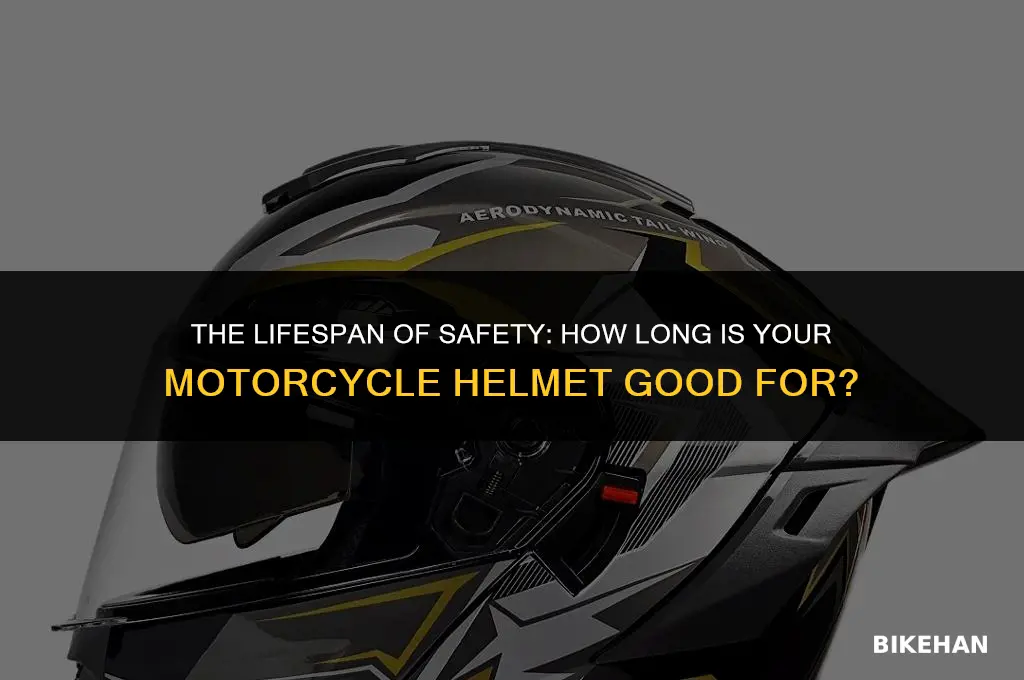
Motorcycle helmets are essential safety gear for riders, designed to protect the head in the event of an accident. However, many riders may not be aware that helmets have a limited lifespan and should be replaced periodically to ensure optimal protection. The lifespan of a motorcycle helmet can vary depending on several factors, including the quality of the materials used, the frequency of use, and the conditions in which it is stored. In general, most helmets are designed to last for a certain number of years, after which they should be replaced to maintain their safety standards. It is important for riders to be aware of the recommended replacement interval for their specific helmet model and to inspect their helmet regularly for any signs of wear or damage that may indicate the need for replacement sooner than expected.
Explore related products


What You'll Learn
- General Lifespan: Most helmets last 5-7 years, depending on usage and maintenance
- Safety Standards: Helmets must meet DOT, Snell, or ECE standards for optimal protection
- Signs of Wear: Look for cracks, dents, or damage to the shell or interior padding
- Replacement Indicators: Replace after an accident, or if the helmet feels loose or uncomfortable
- Proper Care: Store in a cool, dry place, and clean regularly to maintain hygiene and safety

General Lifespan: Most helmets last 5-7 years, depending on usage and maintenance
Motorcycle helmets, like any protective gear, have a finite lifespan. While the general guideline is that most helmets last between 5 to 7 years, this timeframe can vary significantly based on several factors. Understanding these variables is crucial for ensuring your helmet remains effective in protecting you on the road.
One of the primary factors affecting a helmet's lifespan is usage. Frequent riders who cover long distances annually may need to replace their helmets more often than occasional riders. The reason for this is the cumulative effect of wear and tear. Every time you ride, your helmet is exposed to the elements, including wind, rain, and debris, which can gradually degrade the materials over time.
Maintenance also plays a critical role in extending the life of your helmet. Regular cleaning and inspection can help identify potential issues early on, such as cracks in the shell or wear in the padding. Addressing these problems promptly can prevent them from worsening and potentially compromising the helmet's protective capabilities. Additionally, proper storage can help maintain the helmet's condition by protecting it from extreme temperatures and humidity.
It's also important to consider the type of helmet you have, as different styles and materials may have varying lifespans. For example, full-face helmets tend to be more durable than open-face helmets due to their more robust construction. Similarly, helmets made from high-quality materials like carbon fiber or fiberglass may last longer than those made from less durable plastics.
Ultimately, the key to maximizing your helmet's lifespan is a combination of responsible usage, diligent maintenance, and an understanding of the specific needs of your helmet type. By following these guidelines, you can help ensure that your helmet remains a reliable and effective piece of safety equipment for as long as possible.
Secure Your Ride: Optimal Spots for Storing Your Motorcycle Helmet
You may want to see also
Explore related products
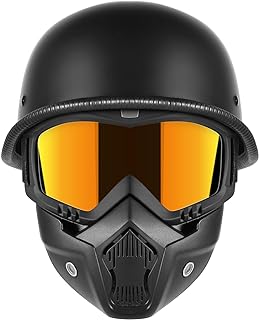


Safety Standards: Helmets must meet DOT, Snell, or ECE standards for optimal protection
Motorcycle helmets are critical safety gear, and their effectiveness is largely determined by whether they meet certain rigorous standards. The Department of Transportation (DOT), Snell, and Economic Commission for Europe (ECE) standards are among the most recognized benchmarks for helmet safety. These standards ensure that helmets have been tested for impact absorption, penetration resistance, retention system effectiveness, and field of vision, among other factors.
The DOT standard, established by the U.S. Department of Transportation, is a minimum safety requirement for helmets sold in the United States. It tests helmets for impact absorption and penetration resistance. The Snell standard, set by the Snell Memorial Foundation, is a voluntary standard that goes beyond the DOT requirements, offering additional protection. The ECE standard, used in Europe, also exceeds the DOT requirements and includes tests for noise reduction and aerodynamics.
When selecting a motorcycle helmet, it is crucial to choose one that meets at least one of these standards to ensure optimal protection. Helmets that comply with these standards have undergone extensive testing and are designed to provide the best possible safety in the event of an accident. Riders should always check the certification label inside the helmet to confirm that it meets the necessary standards.
In addition to meeting safety standards, the fit and comfort of the helmet are also important factors. A helmet that fits well and is comfortable to wear is more likely to be worn consistently, providing better protection over time. Riders should ensure that the helmet fits snugly and that the chin strap is secure.
Regular inspection and maintenance of the helmet are also essential to ensure its continued effectiveness. Helmets should be inspected for any signs of damage, such as cracks or dents, and should be replaced if any damage is found. The chin strap and other components should also be checked regularly to ensure they are in good working condition.
By choosing a helmet that meets DOT, Snell, or ECE standards, and by ensuring proper fit, comfort, and maintenance, riders can significantly enhance their safety on the road.
Taming the Dragon: A Guide to Customizing Your Motorcycle Helmet
You may want to see also
Explore related products

$74.95

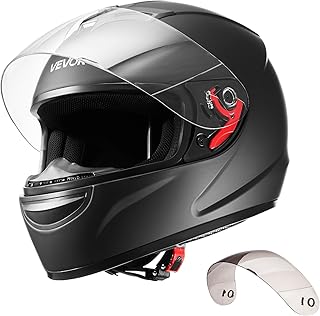


Signs of Wear: Look for cracks, dents, or damage to the shell or interior padding
Motorcycle helmets are subjected to various stresses during use, from the constant flow of air to the occasional impact. Over time, these stresses can lead to visible signs of wear that compromise the helmet's safety and effectiveness. Cracks, dents, and damage to the shell or interior padding are critical indicators that a helmet may no longer be suitable for use. Regularly inspecting your helmet for these signs is essential to ensure your safety on the road.
Cracks in the helmet shell can be particularly dangerous, as they can weaken the structure and reduce its ability to absorb impact. These cracks can be caused by a variety of factors, including impacts, exposure to extreme temperatures, or even the natural aging process of the materials. Dents, while sometimes less noticeable, can also compromise the helmet's integrity by creating weak points in the shell. Damage to the interior padding, such as tears or compression, can reduce the helmet's ability to cushion your head in the event of an accident.
To properly inspect your helmet, start by examining the exterior shell for any visible cracks or dents. Pay close attention to the areas around the visor, chin guard, and any ventilation openings, as these are common places for damage to occur. Next, inspect the interior padding for any signs of wear or damage. Look for tears, fraying, or areas where the padding has become compressed or misshapen. If you notice any of these signs, it's important to replace your helmet immediately.
In addition to regular inspections, it's also important to consider the age of your helmet. Even if it shows no visible signs of wear, most manufacturers recommend replacing helmets every five to seven years. This is because the materials used in helmet construction can degrade over time, reducing their effectiveness in protecting your head. By staying vigilant and proactive in monitoring the condition of your helmet, you can help ensure your safety and the safety of others on the road.
Indiana Motorcycle Helmet Laws: What You Need to Know
You may want to see also
Explore related products


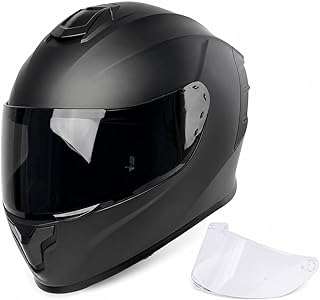
Replacement Indicators: Replace after an accident, or if the helmet feels loose or uncomfortable
Motorcycle helmets are critical safety gear, but their effectiveness can be compromised over time or due to specific incidents. One key indicator that it's time to replace your helmet is if you've been involved in an accident. Even if the helmet doesn't show visible damage, the impact can weaken its structural integrity, putting you at greater risk in future incidents. It's always best to err on the side of caution and replace your helmet after any collision.
Another important factor to consider is comfort. If your helmet feels loose or uncomfortable, it may not be providing adequate protection. A properly fitting helmet should be snug but not too tight, and it should sit comfortably on your head without causing any pressure points. If you notice any changes in the fit of your helmet, such as it feeling looser or more uncomfortable than usual, it's a good idea to have it checked by a professional and potentially replaced.
In addition to these specific indicators, it's generally recommended to replace your motorcycle helmet every five years, regardless of whether it's been involved in an accident or not. Over time, the materials in your helmet can degrade, reducing its ability to protect you in the event of a crash. By following these replacement guidelines, you can ensure that your helmet is always providing the maximum level of safety and protection.
Exploring the Versatility of Modular Motorcycle Helmets
You may want to see also
Explore related products


Proper Care: Store in a cool, dry place, and clean regularly to maintain hygiene and safety
Storing your motorcycle helmet in a cool, dry place is crucial for maintaining its structural integrity and safety features. Exposure to extreme temperatures, moisture, or direct sunlight can degrade the materials over time, compromising the helmet's ability to protect you in the event of an accident. Ideally, you should store your helmet in a well-ventilated area, away from direct heat sources or areas prone to high humidity.
Regular cleaning is also essential for maintaining hygiene and safety. Dirt, grime, and bacteria can accumulate on the helmet's surface and interior padding, potentially causing skin irritation or infections. To clean your helmet, use a mild detergent and warm water to gently scrub the exterior, then allow it to air dry completely. For the interior padding, remove it if possible and wash it separately, following the manufacturer's instructions.
In addition to proper storage and cleaning, it's important to inspect your helmet regularly for any signs of wear or damage. Check for cracks, dents, or scratches on the outer shell, and ensure that the chin strap and buckle are in good working condition. If you notice any issues, it's best to replace the helmet immediately to ensure your safety on the road.
Remember, a well-maintained helmet not only provides better protection but also extends its lifespan. By following these simple care instructions, you can help ensure that your motorcycle helmet remains in good condition for years to come.
Kentucky's Motorcycle Helmet Law: What You Need to Know
You may want to see also
Frequently asked questions
A motorcycle helmet is generally considered to be good for 5 years from the date of manufacture, according to many safety standards and manufacturers' recommendations.
Factors that can affect the lifespan of a motorcycle helmet include the frequency of use, exposure to sunlight and weather conditions, the quality of the materials used, and whether the helmet has been involved in an accident or impact.
No, it is not safe to use a motorcycle helmet that is past its expiration date. The materials in the helmet can degrade over time, reducing its ability to protect the rider in the event of an accident.
You can tell if your motorcycle helmet is still good to use by checking for any signs of wear or damage, such as cracks, dents, or scratches. Additionally, you should check the helmet's padding and straps for any signs of deterioration. If you are unsure about the condition of your helmet, it is best to replace it.