Eric Johnson
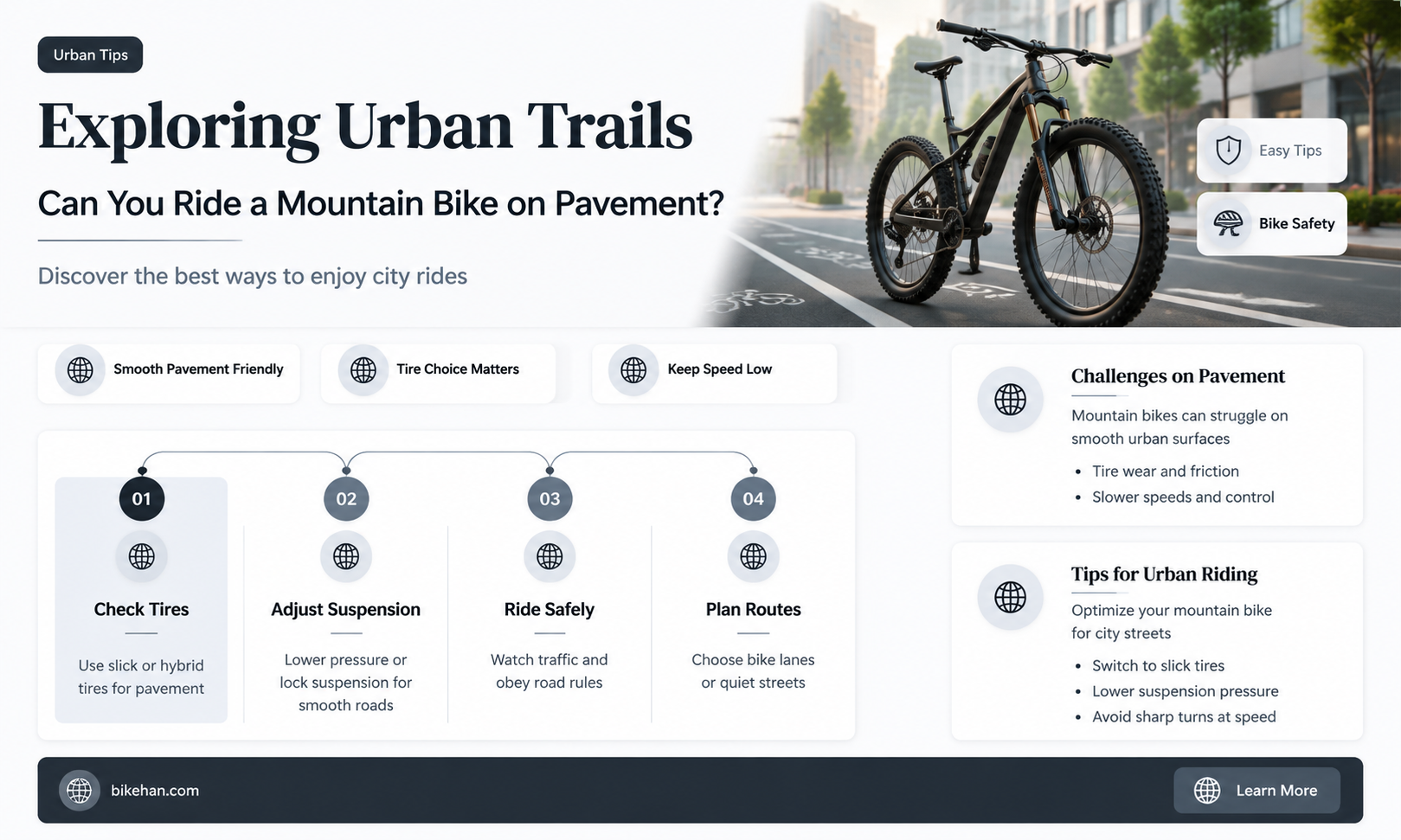
Mountain biking on pavement is a topic of interest for many cycling enthusiasts. While mountain bikes are primarily designed for off-road terrain, their sturdy frames and wide tires can provide a comfortable and stable ride on paved surfaces as well. However, there are some considerations to keep in mind when riding a mountain bike on pavement, such as tire pressure, riding technique, and potential wear and tear on the bike. In this article, we'll explore the pros and cons of riding a mountain bike on pavement and provide some tips for those who choose to do so.
Explore related products


What You'll Learn
- Tire Pressure and Tread: Adjusting tire pressure and choosing tires with minimal tread for better pavement grip
- Suspension Settings: Modifying suspension settings to minimize bounce and improve handling on hard surfaces
- Pedaling Efficiency: Techniques to maximize pedaling efficiency on flat, paved surfaces compared to off-road
- Safety Considerations: Ensuring visibility and safety on roads, including the use of lights and reflectors
- Legal Restrictions: Understanding local laws and regulations regarding mountain biking on public roads and sidewalks

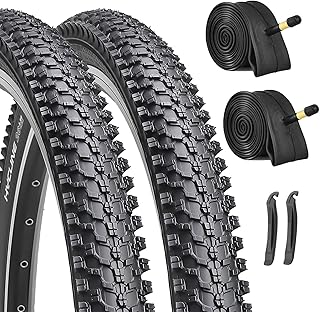
Tire Pressure and Tread: Adjusting tire pressure and choosing tires with minimal tread for better pavement grip
Adjusting tire pressure and selecting tires with minimal tread are crucial steps for enhancing pavement grip when riding a mountain bike on paved surfaces. The first step involves understanding the impact of tire pressure on traction. Higher tire pressure can reduce rolling resistance, making it easier to pedal on pavement, but it also decreases the tire's contact patch with the ground, potentially reducing grip. Conversely, lower tire pressure increases the contact patch, improving grip but also increasing rolling resistance and the risk of punctures.
To optimize tire pressure for pavement riding, start by inflating the tires to the manufacturer's recommended pressure, typically found on the tire sidewall. Then, gradually decrease the pressure in small increments, testing the grip and handling on a smooth surface after each adjustment. This process helps find the optimal balance between grip and rolling resistance for your specific riding conditions.
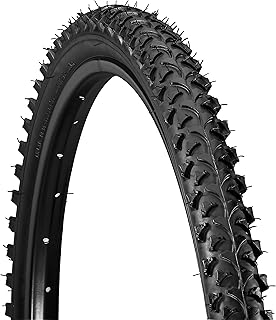
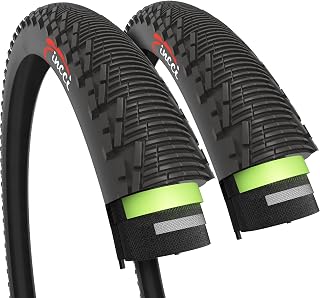
Choosing tires with minimal tread is equally important. Mountain bike tires with aggressive tread patterns are designed for off-road traction but can be counterproductive on pavement. Look for tires with a smoother tread pattern, often referred to as "slick" or "semi-slick" tires. These tires have less rolling resistance and provide better contact with the pavement, resulting in improved grip and handling.
When selecting tires, consider the width as well. Wider tires can offer more stability and comfort on rough pavement, but they may also increase rolling resistance. Narrower tires, on the other hand, can reduce rolling resistance but may be less forgiving on uneven surfaces. A good starting point is to choose tires that are slightly wider than those typically used for off-road riding, balancing comfort and efficiency.
In addition to adjusting tire pressure and selecting appropriate tires, it's essential to regularly inspect and maintain your tires. Check for signs of wear, such as bald spots or cracks in the rubber, and replace the tires when necessary. Proper tire maintenance ensures optimal performance and safety when riding on pavement.
By following these guidelines, mountain bikers can significantly improve their pavement riding experience. Adjusting tire pressure and choosing tires with minimal tread can enhance grip, reduce rolling resistance, and provide a smoother, more efficient ride on paved surfaces.
Exploring Long-Distance Cycling on a Naked Bike: A Comprehensive Guide
You may want to see also
Explore related products




Suspension Settings: Modifying suspension settings to minimize bounce and improve handling on hard surfaces
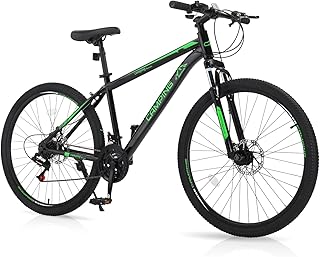
To minimize bounce and improve handling on hard surfaces, it's crucial to adjust your mountain bike's suspension settings. Start by understanding your bike's suspension system, which typically includes front and rear shocks. These shocks are designed to absorb impacts from rough terrain, but on pavement, they can cause unnecessary bouncing.
First, locate the suspension adjustment knobs or levers on your bike. These are usually found on the front fork and rear shock absorber. Depending on your bike model, you may have different types of adjustments available, such as preload, rebound, and compression. Preload adjusts the initial tension in the spring, rebound controls how quickly the shock returns to its original position after being compressed, and compression regulates how easily the shock compresses when hitting a bump.
For riding on pavement, you'll want to increase the preload to stiffen the suspension and reduce bounce. This can be done by turning the preload knob clockwise. Next, adjust the rebound setting to a faster position, which will help the suspension recover more quickly from impacts. Finally, if your bike has a compression adjustment, set it to a firmer setting to minimize the amount of compression when riding on hard surfaces.
It's important to note that these adjustments should be made gradually and tested after each change. Start with small adjustments and ride your bike on a smooth surface to feel the difference. Continue fine-tuning the settings until you achieve the desired level of firmness and handling.
Remember, the goal is to find a balance between comfort and performance. While a stiffer suspension will reduce bounce and improve handling on pavement, it may also make the ride feel harsher. Experiment with different settings to find the optimal compromise for your riding style and preferences.
Conquering Long Distances: The Ultimate Guide to Mountain Bike Touring
You may want to see also
Explore related products


Pedaling Efficiency: Techniques to maximize pedaling efficiency on flat, paved surfaces compared to off-road
To maximize pedaling efficiency on flat, paved surfaces, cyclists should focus on maintaining a consistent cadence and optimizing their gear selection. A cadence of around 90-100 revolutions per minute (RPM) is generally considered ideal for efficient pedaling on flat terrain. This allows the rider to maintain a steady rhythm without overexerting themselves. Gear selection is also crucial; riders should choose a gear that allows them to pedal comfortably without straining. On flat surfaces, a lower gear may be more efficient, as it requires less effort to maintain a high cadence.
In contrast, off-road cycling presents unique challenges that require different techniques to maximize pedaling efficiency. On uneven terrain, cyclists should focus on maintaining a smooth and controlled cadence, adjusting their gear selection based on the incline and surface conditions. A higher gear may be more efficient on steep climbs, while a lower gear may be necessary for navigating loose or slippery surfaces. Additionally, off-road cyclists should pay attention to their body positioning, shifting their weight to maintain balance and control while pedaling.
One key difference between pedaling on flat, paved surfaces and off-road is the importance of momentum. On flat surfaces, maintaining a consistent cadence and gear selection is sufficient to maximize efficiency. However, off-road cycling requires cyclists to constantly adjust their speed and momentum to navigate obstacles and maintain control. This means that off-road cyclists need to be more attentive to their surroundings and ready to make quick adjustments to their pedaling technique.
Another important factor to consider is tire pressure. On flat, paved surfaces, higher tire pressure can improve pedaling efficiency by reducing rolling resistance. However, off-road cyclists may need to lower their tire pressure to improve traction and control on uneven terrain. This trade-off between efficiency and control is a key consideration for cyclists who ride both on-road and off-road.
In conclusion, maximizing pedaling efficiency on flat, paved surfaces and off-road requires different techniques and considerations. On flat surfaces, cyclists should focus on maintaining a consistent cadence and optimizing their gear selection. Off-road cyclists, on the other hand, need to be more attentive to their surroundings and ready to make quick adjustments to their pedaling technique to navigate obstacles and maintain control. By understanding these differences, cyclists can improve their overall pedaling efficiency and enjoy a more comfortable and enjoyable ride.
Urban Adventures: Exploring City Streets on Two Wheels
You may want to see also
Explore related products


Safety Considerations: Ensuring visibility and safety on roads, including the use of lights and reflectors
When riding a mountain bike on pavement, visibility is crucial for safety. Ensure your bike is equipped with front and rear lights, as well as reflectors on the wheels and pedals. These features will make you more visible to motorists, especially in low-light conditions.
In addition to using lights and reflectors, it's important to wear bright and reflective clothing. This will further increase your visibility to drivers and help prevent accidents. Consider using a helmet with a built-in light or attaching a light to your helmet for added visibility.
When riding on pavement, it's essential to follow traffic rules and signals. Obey traffic signs, ride in the same direction as traffic, and use hand signals to indicate your intentions. This will help ensure your safety and the safety of others on the road.
Be aware of your surroundings and anticipate potential hazards. Watch out for potholes, debris, and parked cars. Keep a safe distance from vehicles and be prepared to react quickly to any sudden changes in traffic.
Finally, consider using a bell or horn to alert pedestrians and other cyclists of your presence. This can help prevent collisions and ensure a safer riding experience for everyone.
Exploring the Rules: Mopeds on Bike Trails - A Comprehensive Guide
You may want to see also
Explore related products



Legal Restrictions: Understanding local laws and regulations regarding mountain biking on public roads and sidewalks
Navigating the legal landscape of mountain biking on public roads and sidewalks can be complex, as regulations vary significantly from one jurisdiction to another. It's crucial for riders to familiarize themselves with local laws to avoid fines, penalties, or accidents. In some areas, mountain biking on sidewalks may be prohibited due to the risk it poses to pedestrians, while in others, it might be allowed but subject to certain conditions, such as yielding to foot traffic or using a bell to signal one's presence.
To understand the legal restrictions in your area, start by consulting your local government's website or contacting the transportation department. They can provide information on specific ordinances and rules governing the use of mountain bikes on public pathways. Additionally, local bike shops or cycling advocacy groups can be valuable resources, offering insights into the nuances of the law and how it's enforced in practice.
It's also important to consider the broader implications of these laws. For instance, some communities may have designated bike paths or trails that are specifically designed for mountain biking, which can help reduce conflicts between cyclists and pedestrians. By adhering to these regulations and using designated areas when available, riders can contribute to a safer and more harmonious shared space.
In cases where the law is unclear or contradictory, it may be necessary to seek legal advice or engage in advocacy efforts to promote clearer, more cyclist-friendly regulations. Remember, the goal of these laws is to ensure the safety of all road users, including cyclists, pedestrians, and motorists, so it's essential to approach the issue with a cooperative and respectful mindset.
Ultimately, understanding and complying with local laws and regulations regarding mountain biking on public roads and sidewalks is not only a legal requirement but also a key aspect of responsible cycling. By doing so, riders can help foster a positive relationship between the cycling community and the public at large, paving the way for more enjoyable and safe riding experiences for everyone.
Moped in Bike Lane: Legalities and Safety Considerations
You may want to see also
Frequently asked questions
Yes, you can ride a mountain bike on pavement. Mountain bikes are versatile and can handle various terrains, including paved roads. However, keep in mind that the ride may be less efficient compared to a road bike due to the mountain bike's wider tires and suspension system.
Riding a mountain bike on pavement offers a few advantages. Firstly, it provides a smoother ride compared to off-road terrains, which can be beneficial for beginners or those looking for a more relaxed cycling experience. Secondly, it allows you to explore urban environments and commute using your mountain bike. Lastly, it can help improve your bike handling skills and overall fitness.
There are a couple of disadvantages to riding a mountain bike on pavement. Firstly, the wider tires and suspension system of a mountain bike can create more rolling resistance, making it less efficient and slower compared to a road bike. Secondly, the aggressive riding position of a mountain bike may not be as comfortable for long rides on pavement as it is designed for off-road use.
To make your mountain bike more suitable for riding on pavement, you can consider a few modifications. Firstly, you can replace the wide, knobby tires with narrower, smoother tires that are designed for road use. This will reduce rolling resistance and improve efficiency. Secondly, you can adjust the suspension settings to minimize the impact of bumps and vibrations on pavement. Lastly, you can consider adding accessories such as fenders and lights to make your mountain bike more practical for urban commuting.