Samantha Lee
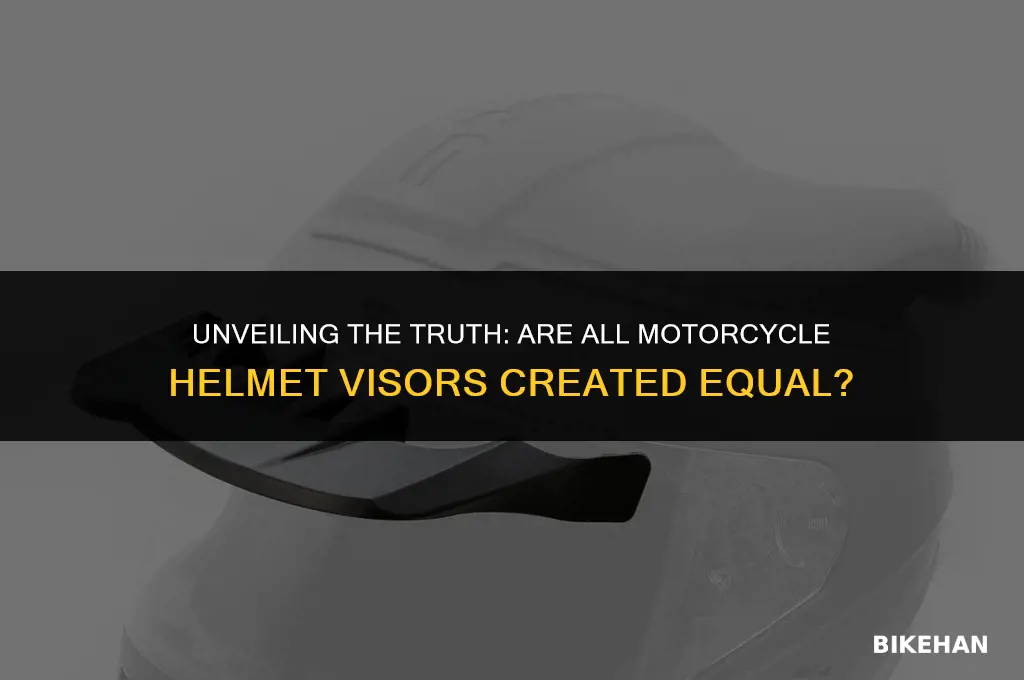
Motorcycle helmet visors are a critical component of rider safety and comfort, but they are not all created equal. While they may appear similar at first glance, there are several factors that differentiate one visor from another. These include the material used, the tint level, the anti-fog properties, and the overall design. Some visors are designed to provide maximum protection from the sun's glare, while others are optimized for low-light conditions. Additionally, some visors may have special coatings to reduce fogging, while others may require the rider to use an anti-fog spray. Understanding the differences between motorcycle helmet visors is essential for riders to choose the right one for their needs and ensure they are getting the best possible protection and visibility while on the road.
Explore related products


What You'll Learn
- Material Differences: Some visors are made from polycarbonate, while others use acrylic or glass
- Tint Variations: Visors come in various tints like clear, smoked, and mirrored to suit different lighting conditions
- Anti-Fog Coatings: Some visors have special coatings to prevent fogging in cold or humid weather
- Scratch Resistance: Higher-end visors may offer better scratch resistance for improved durability and visibility
- Compatibility: Not all visors fit all helmet models, so compatibility is crucial for safety and comfort

Material Differences: Some visors are made from polycarbonate, while others use acrylic or glass
Polycarbonate, acrylic, and glass are the three primary materials used in the manufacture of motorcycle helmet visors. Each material has its own set of characteristics that can significantly impact the performance and safety of the helmet. Polycarbonate is the most common material due to its high impact resistance and lightweight properties. It is also relatively inexpensive to produce, making it a popular choice for budget-friendly helmets. However, polycarbonate can be prone to scratching and may not provide the same level of optical clarity as other materials.
Acrylic, on the other hand, offers excellent optical clarity and is more resistant to scratching than polycarbonate. It is also lighter than glass, making it a good choice for riders who prioritize visibility and comfort. However, acrylic is less impact-resistant than polycarbonate and may shatter upon impact, which can be a safety concern.
Glass is the least common material used for motorcycle helmet visors due to its weight and fragility. However, it offers the best optical clarity and scratch resistance of the three materials. Glass visors are typically found on high-end helmets and are favored by riders who demand the best in terms of visibility and durability.
The choice of visor material can have a significant impact on the rider's experience. For example, a polycarbonate visor may be more suitable for a rider who is on a tight budget and does not mind sacrificing some optical clarity, while an acrylic visor may be a better choice for a rider who prioritizes visibility and is willing to pay a premium for it. Ultimately, the best visor material for a particular rider will depend on their individual needs and preferences.
Taming the Dragon: A Guide to Customizing Your Motorcycle Helmet
You may want to see also
Explore related products


Tint Variations: Visors come in various tints like clear, smoked, and mirrored to suit different lighting conditions
Motorcycle helmet visors are not all the same, and one of the key differences lies in their tint variations. These tints are specifically designed to enhance visibility and comfort for riders in different lighting conditions. Clear visors, for instance, are ideal for low-light situations or nighttime riding as they allow maximum light to pass through, ensuring that the rider's vision is not compromised. On the other hand, smoked visors are perfect for bright, sunny days as they reduce glare and provide a cooler visual experience by filtering out some of the sunlight. Mirrored visors take this a step further by not only reducing glare but also reflecting it, which can be particularly useful in extremely bright conditions or when riding in areas with intense sunlight.
The choice of visor tint can significantly impact a rider's safety and comfort. For example, using a clear visor during the day can lead to excessive glare and eye strain, while using a smoked or mirrored visor at night can reduce visibility and increase the risk of accidents. Therefore, it's crucial for riders to select the appropriate visor tint based on the lighting conditions they expect to encounter. Additionally, some visors come with adjustable tint mechanisms, allowing riders to change the tint level according to their needs, which can be particularly useful for long rides that span different times of the day.
In terms of installation, most visors are designed to be easily replaceable, allowing riders to switch between different tints as needed. However, it's important to ensure that the visor is compatible with the helmet model and that it is installed correctly to maintain the helmet's structural integrity and the visor's effectiveness. Proper maintenance of the visor is also essential, as scratches or damage can impair visibility and compromise safety. Regular cleaning with appropriate solutions and avoiding abrasive materials can help maintain the visor's clarity and performance.
When selecting a visor tint, riders should also consider factors such as their personal preferences, the type of riding they will be doing, and any specific visual requirements they may have. For instance, riders who frequently ride in urban environments may prefer a darker tint to reduce glare from buildings and vehicles, while those who ride in more open areas may opt for a lighter tint to enhance contrast and depth perception. Ultimately, the goal is to choose a visor tint that provides the best possible visibility and comfort for the rider, thereby enhancing their overall riding experience and safety.
Rev Up Your Safety: Top Spots to Score the Perfect Motorcycle Helmet
You may want to see also
Explore related products


Anti-Fog Coatings: Some visors have special coatings to prevent fogging in cold or humid weather
Motorcycle helmet visors are not all the same, and one key differentiator is the presence of anti-fog coatings. These special coatings are designed to prevent the visor from fogging up in cold or humid weather conditions, which can be a significant safety hazard for riders. Fogging occurs when warm, moist air from the rider's breath comes into contact with the cooler surface of the visor, causing condensation to form. This can obstruct the rider's vision, making it difficult to see the road and other vehicles, and increasing the risk of accidents.
Anti-fog coatings work by creating a hydrophilic surface on the visor, which means that it attracts water molecules. This helps to spread out the moisture more evenly across the surface, preventing the formation of large droplets that can impair vision. Some anti-fog coatings also contain a surfactant, which helps to reduce the surface tension of the water molecules, making it easier for them to spread out and evaporate.
There are several types of anti-fog coatings available, including spray-on coatings, wipe-on coatings, and permanent coatings that are applied during the manufacturing process. Spray-on and wipe-on coatings are typically applied by the rider and can be reapplied as needed. Permanent coatings, on the other hand, are more durable and do not require reapplication, but they may be more expensive.
When choosing an anti-fog coating, riders should consider factors such as ease of application, durability, and effectiveness in different weather conditions. Some coatings may be more effective in cold weather, while others may be better suited for humid conditions. Riders should also consider the compatibility of the coating with their specific helmet and visor material, as some coatings may not work well with certain types of materials.
In addition to anti-fog coatings, there are other ways to prevent fogging, such as using a breath deflector or wearing a helmet with a ventilation system that helps to circulate air and reduce moisture buildup. However, anti-fog coatings are a simple and effective solution that can be easily applied by most riders, making them a popular choice for preventing fogging and improving visibility on the road.
Silent Ride: Unveiling the Quietest Motorcycle Helmet Options
You may want to see also
Explore related products


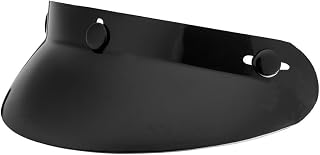


Scratch Resistance: Higher-end visors may offer better scratch resistance for improved durability and visibility
Higher-end motorcycle helmet visors often boast superior scratch resistance, a feature that significantly enhances both the durability and visibility of the visor. This is achieved through the use of advanced materials and coatings that provide a harder, more resilient surface. For instance, some premium visors are made from polycarbonate materials that have been treated with a scratch-resistant coating, which can withstand the rigors of regular use and resist the kind of minor abrasions that can occur from cleaning, debris, or minor impacts.
The importance of scratch resistance cannot be overstated. A scratched visor not only diminishes the aesthetic appeal of the helmet but also compromises visibility, which is critical for rider safety. Scratches can create glare and distortion, making it difficult for riders to see the road clearly, especially in bright sunlight or at night when headlights and streetlights can exacerbate the issue. Furthermore, a scratched visor can be more prone to further damage, as the integrity of the material has been compromised, potentially leading to cracks or even shattering upon impact.
When evaluating the scratch resistance of a visor, it's essential to consider the type of material used and any additional coatings applied. Some visors may also feature a hydrophobic coating, which helps to repel water and reduce the risk of fogging, another factor that can impair visibility. Additionally, the thickness of the visor can play a role; thicker visors tend to be more resistant to scratches and impacts.
In terms of maintenance, proper care can extend the life of a scratch-resistant visor. This includes using a soft, microfiber cloth for cleaning and avoiding abrasive materials or harsh chemicals that could damage the surface. Regular inspection for any signs of wear or damage is also crucial, as addressing minor issues early can prevent them from becoming more significant problems.
Ultimately, investing in a higher-end visor with better scratch resistance is a wise choice for any motorcyclist who values both safety and longevity in their gear. While the initial cost may be higher, the benefits in terms of improved visibility, reduced maintenance, and enhanced durability make it a worthwhile investment.
Rev Up Your Style: A Guide to Custom Painting Your Motorcycle Helmet
You may want to see also
Explore related products


Compatibility: Not all visors fit all helmet models, so compatibility is crucial for safety and comfort
Ensuring compatibility between a motorcycle helmet visor and the helmet model is paramount for both safety and comfort. A visor that does not fit properly can compromise the structural integrity of the helmet, reduce visibility, and increase wind resistance, all of which can be hazardous while riding. Therefore, it is essential to verify that the visor is designed for the specific helmet model before making a purchase.
Manufacturers often provide detailed compatibility charts or lists that specify which visors are suitable for which helmet models. These resources should be consulted carefully to ensure a proper match. Additionally, riders should consider the type of riding they will be doing, as different visors are designed for various conditions. For example, a visor with a darker tint may be more suitable for bright, sunny days, while a clear visor may be better for overcast or low-light conditions.
When selecting a visor, it is also important to consider the material and construction quality. High-quality visors are typically made from impact-resistant materials such as polycarbonate or acrylic and may feature additional coatings for scratch resistance and UV protection. These features not only enhance the durability of the visor but also contribute to the rider's overall safety and comfort.
In some cases, riders may need to replace their visor due to damage or wear. In such situations, it is crucial to choose a replacement visor that is compatible with the existing helmet. This may involve contacting the helmet manufacturer or consulting online resources to find the correct replacement part. By ensuring compatibility, riders can maintain the safety and performance of their helmet and visor combination.
Ultimately, the key to selecting the right motorcycle helmet visor is to prioritize compatibility, quality, and the specific needs of the rider. By doing so, riders can enjoy a safer and more comfortable riding experience, protected by a helmet and visor that work together seamlessly.
Revive Your Ride: A Step-by-Step Guide to Repainting Your Motorcycle Helmet
You may want to see also
Frequently asked questions
No, motorcycle helmet visors vary in several ways including size, shape, tint, and material. Different helmets may require different visors, and riders often choose visors based on their specific needs and preferences.
Motorcycle helmet visors come in a variety of tints to suit different lighting conditions and rider preferences. Common tints include clear, yellow, orange, red, blue, green, and mirrored or chrome. Each tint serves a specific purpose, such as enhancing contrast, reducing glare, or providing UV protection.
To determine which visor is compatible with your motorcycle helmet, you should refer to the manufacturer's specifications or consult with a knowledgeable retailer. Compatibility often depends on the helmet model and brand, as well as the specific mounting system used for the visor.