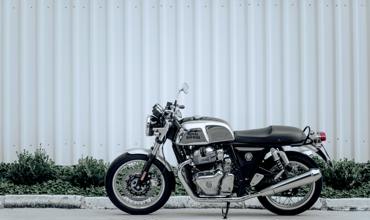
Riding Position
Maintain a relaxed and upright posture with a slight forward lean. Place your hands in a comfortable position on the handlebars and keep your elbows loose.
Road motorcycles offer a thrilling riding experience, blending performance, agility, and comfort. With a range of styles and engine types, there's a road bike for every rider.
Popular types include sportbikes, cruisers, touring bikes, standard bikes, and dual-sports. Each category offers unique features, riding positions, and performance characteristics.

Mastering the art of riding a road motorcycle starts with understanding key techniques and safety practices.
Maintain a relaxed and upright posture with a slight forward lean. Place your hands in a comfortable position on the handlebars and keep your elbows loose.

Lean into turns, keeping your body position balanced and smooth. Look where you want to go and counter-steer by pushing on the inside handlebar.
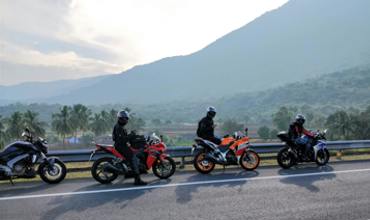
Apply both brakes smoothly and progressively. Use engine braking by downshifting and use the front and rear brakes in combination for optimal stopping power.
Regular maintenance is key to keeping your road motorcycle in optimal condition. Follow these tips to ensure your bike is always ready for the ride.
Check and change your engine oil and filter regularly. Refer to your motorcycle's manual for the recommended oil type and change intervals.
Keep your chain clean, lubricated, and properly adjusted. Regularly inspect the chain for wear and replace it when necessary.
Check tire pressure and tread depth regularly. Inspect tires for wear, cracks, or foreign objects. Rotate and replace tires as needed.
Replace spark plugs at the recommended intervals. Clean and gap the plugs as needed to ensure optimal engine performance and fuel efficiency.
Check and top off all fluid levels, including brake fluid, coolant, and clutch fluid. Refer to your manual for the correct fluid types and capacities.
Maintain your battery by keeping it charged and clean. Check the battery terminals for corrosion and keep them tight and free of debris.
Practice counter-steering to initiate turns effectively. Push on the inside handlebar to initiate a turn and pull on the outside bar to straighten up.
Master the friction zone of your clutch for smooth take-offs and low-speed maneuvering. Practice releasing the clutch slowly while gently applying throttle.
Use engine braking by downshifting to slow down without relying solely on the brakes. This technique helps control speed and preserves brake life.




Road motorcycles offer a range of features that enhance performance, comfort, and safety. Understanding these key elements will help you choose the right bike for your needs.
| Feature | Description |
|---|---|
| Engine Type | Road motorcycles typically feature inline-four, V-twin, or inline-twin engines. Each engine configuration offers unique power delivery and riding characteristics. |
| Suspension | High-quality suspension systems provide a smooth ride and enhance handling. Look for adjustable suspension for customizing the ride to your preferences. |
| Brakes | Powerful brakes with features like ABS (Anti-lock Braking System) and disc brakes on both wheels ensure effective stopping power and safety. |
| Ergonomics | Consider the riding position and ergonomics that suit your preferences. Sportbikes offer a more aggressive position, while cruisers provide a more relaxed, upright stance. |
| Electronics | Modern road motorcycles often feature advanced electronics like traction control, ride modes, and electronic suspension adjustment for enhanced performance and safety. |
| Wind Protection | Windshields or fairings provide wind protection, reducing fatigue on long rides. Some bikes offer adjustable wind protection for customized comfort. |
Road motorcycles offer a unique blend of performance, style, and freedom. With the right bike and riding techniques, you can enjoy thrilling rides and unforgettable adventures.