Matthew Brooks
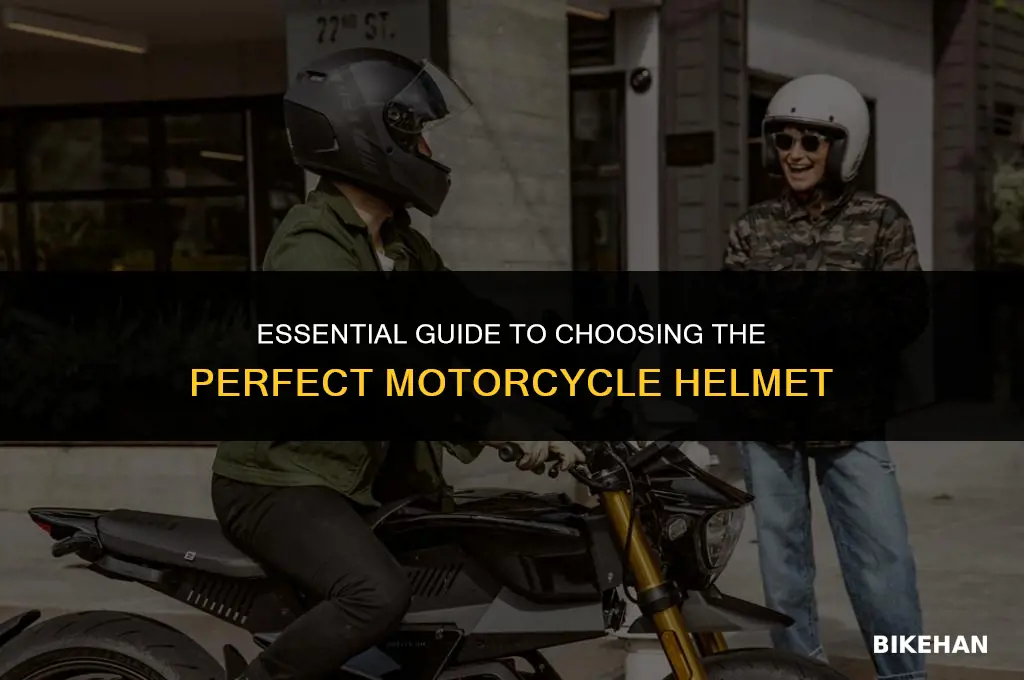
When it comes to purchasing a motorcycle helmet, safety should always be your top priority. A good helmet can significantly reduce the risk of head injuries in the event of an accident. But with so many options available, it can be overwhelming to choose the right one. In this guide, we'll walk you through the essential factors to consider when buying a motorcycle helmet, from fit and comfort to material and certification. We'll also provide tips on how to find the best deal and ensure your helmet is properly maintained. By the end of this article, you'll be equipped with the knowledge you need to make an informed decision and ride with confidence.
Explore related products


What You'll Learn
- Determine Your Budget: Set a price range for your helmet purchase, balancing cost with safety features
- Choose the Right Type: Decide between full-face, open-face, modular, or half-shell helmets based on your riding style
- Measure Your Head: Use a measuring tape to find your head circumference for the correct fit
- Look for Safety Certifications: Ensure the helmet meets safety standards like DOT, Snell, or ECE
- Try Before You Buy: Test the helmet's fit, comfort, and visibility before making a purchase

Determine Your Budget: Set a price range for your helmet purchase, balancing cost with safety features
Before you start shopping for a motorcycle helmet, it's crucial to determine your budget. This doesn't mean simply deciding how much you're willing to spend, but rather understanding the value proposition of different helmets within various price ranges. Start by researching the average prices of helmets that meet your safety standards and have the features you need. You can use online marketplaces, manufacturer websites, and reviews to get a sense of the price spectrum.
Once you have a general idea of the market prices, consider your personal financial situation. How much can you realistically afford to spend on a helmet? Remember that this is an investment in your safety, so it's important to prioritize quality and features over cost. However, you should also be mindful of your budget constraints. Set a price range that allows you to get a helmet with the necessary safety features without breaking the bank.
When setting your budget, consider the long-term costs of owning a helmet. This includes maintenance, replacement parts, and potential upgrades. A higher-priced helmet may require less frequent replacements or repairs, ultimately saving you money in the long run. On the other hand, a lower-priced helmet may need to be replaced more often, increasing your overall costs.
It's also important to consider the features you need versus the features you want. While it's nice to have a helmet with all the latest bells and whistles, do you really need them? Focus on the essential safety features first, such as a full-face design, a sturdy chin strap, and good ventilation. Once you've accounted for these necessities, you can allocate some of your budget to additional features like Bluetooth connectivity or a built-in visor.
Finally, don't forget to factor in the cost of any additional gear you may need, such as a helmet lock or a carrying case. By setting a comprehensive budget that takes into account all of these factors, you'll be able to find a helmet that meets your needs without overspending.
Exploring Maryland's Motorcycle Helmet Laws: A Comprehensive Guide
You may want to see also
Explore related products

$74.95



Choose the Right Type: Decide between full-face, open-face, modular, or half-shell helmets based on your riding style
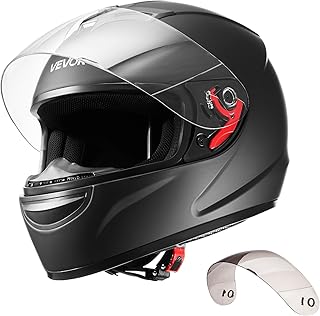
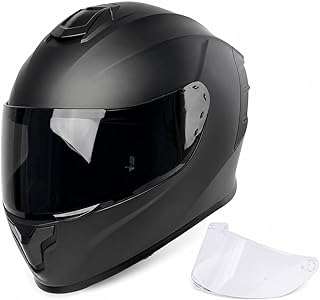
When selecting a motorcycle helmet, the type you choose should align closely with your riding style to ensure both safety and comfort. Full-face helmets offer the most protection, covering the entire head and face, and are ideal for high-speed riding or long-distance touring where debris and wind are significant concerns. They also provide better aerodynamics and noise reduction, which can be crucial for riders who spend extended periods on the road.
Open-face helmets, on the other hand, are designed for riders who prioritize visibility and airflow. These helmets cover the top and back of the head but leave the face exposed, making them suitable for city riding or short trips in warm weather. They offer less protection than full-face helmets but provide a more open and comfortable experience for riders who don't need the extra coverage.
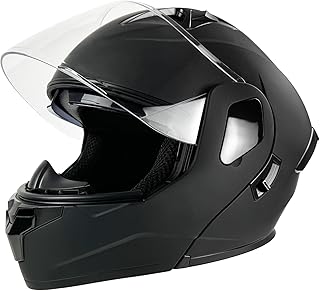
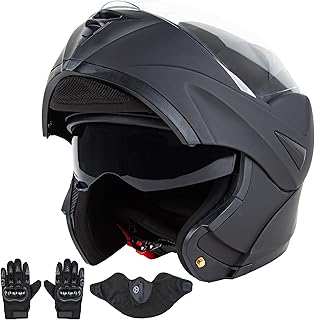
Modular helmets are a versatile option that combines features of both full-face and open-face helmets. They have a chin bar that can be raised or lowered, allowing riders to switch between a fully covered and an open-face configuration. This adaptability makes them popular among riders who encounter varying conditions or who want the flexibility to communicate more easily when stopped.
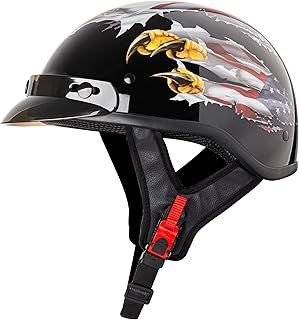
Half-shell helmets provide the least coverage, protecting only the top of the head. They are lightweight and offer minimal wind resistance, making them a favorite among cruiser and custom bike enthusiasts who ride at lower speeds and prefer a more relaxed, open-air experience. However, they offer significantly less protection in the event of an accident compared to full-face or modular helmets.
Ultimately, the choice of helmet type should be based on a careful consideration of your riding habits, the conditions you typically encounter, and your personal preferences for comfort and protection. By selecting the right type of helmet, you can enhance your riding experience while ensuring you have the appropriate level of safety for your needs.
Michigan Motorcycle Helmet Law: What You Need to Know
You may want to see also
Explore related products


Measure Your Head: Use a measuring tape to find your head circumference for the correct fit
To ensure a proper fit for your motorcycle helmet, it's crucial to measure your head circumference accurately. This measurement will help you select the right helmet size, providing both comfort and safety while riding. Here's a step-by-step guide on how to measure your head for a motorcycle helmet:
- Prepare the Measuring Tape: Use a flexible measuring tape, preferably one with a metal end piece for easier handling. Make sure the tape is clean and free of any debris that could affect the measurement.
- Position the Tape: Place the measuring tape about one inch above your eyebrows and ears, encircling your head horizontally. Ensure the tape is snug but not too tight, as this can affect the accuracy of the measurement.
- Take the Measurement: Read the measurement on the tape where it overlaps. It's important to note that helmet sizes can vary between manufacturers, so it's best to consult the specific size chart provided by the helmet brand you're interested in.
- Consider Additional Factors: Besides head circumference, some helmets may also require measuring the vertical distance from the top of your head to the base of your neck. This measurement can help in selecting helmets with the appropriate neck coverage.
- Try Before You Buy: If possible, try on helmets in person before purchasing. This will allow you to ensure the fit is comfortable and secure, and that the helmet meets your expectations in terms of style and functionality.
Remember, a well-fitted helmet is essential for safety and comfort. Taking the time to measure your head correctly and trying on different models will help you find the perfect helmet for your motorcycle riding needs.
The Ultimate Guide to Perfectly Sizing Your Motorcycle Helmet
You may want to see also
Explore related products


Look for Safety Certifications: Ensure the helmet meets safety standards like DOT, Snell, or ECE
When selecting a motorcycle helmet, one of the most critical factors to consider is safety certifications. Helmets that meet recognized safety standards provide a higher level of protection in the event of an accident. Look for certifications from reputable organizations such as the Department of Transportation (DOT), Snell Memorial Foundation, or the Economic Commission for Europe (ECE). These certifications ensure that the helmet has undergone rigorous testing and meets specific criteria for impact absorption, penetration resistance, and retention system effectiveness.
To identify a certified helmet, check for the corresponding label or sticker inside the helmet. The DOT certification is mandatory for helmets sold in the United States, while Snell and ECE certifications are voluntary but highly regarded. Each certification has its own set of standards and testing procedures, so it's essential to understand the differences between them. For example, Snell certifications are known for their stringent impact testing, while ECE certifications are recognized internationally and often required in European countries.
In addition to meeting safety standards, certified helmets also provide a level of legal protection. In many jurisdictions, wearing a DOT, Snell, or ECE certified helmet is a legal requirement for motorcyclists. Failing to wear a certified helmet can result in fines, license suspension, or even criminal charges in some cases. Therefore, investing in a certified helmet not only enhances your safety but also ensures compliance with the law.
When shopping for a helmet, be cautious of counterfeit certifications. Some manufacturers may falsely claim that their helmets meet certain safety standards, so it's crucial to verify the certification through the official organization's website or by contacting them directly. Additionally, keep in mind that certifications are specific to the helmet model and size, so it's essential to choose a helmet that fits properly and is certified for your specific needs.
In conclusion, prioritizing safety certifications when purchasing a motorcycle helmet is a critical decision that can significantly impact your safety and legal compliance. By understanding the different certification organizations and their standards, you can make an informed choice and select a helmet that provides the highest level of protection.
Exploring the Legality of Motorcycle Helmet Covers: A Comprehensive Guide
You may want to see also
Explore related products


$94.99 $139.99


Try Before You Buy: Test the helmet's fit, comfort, and visibility before making a purchase
Before committing to a motorcycle helmet purchase, it's crucial to conduct a thorough test to ensure it meets your specific needs. Start by assessing the fit: place the helmet on your head and fasten the chin strap, then gently move your head side to side and up and down to check for any discomfort or pressure points. A well-fitting helmet should be snug but not restrictive, allowing for a full range of motion without causing any strain.
Next, evaluate the comfort level by wearing the helmet for an extended period, ideally 15-20 minutes. This will give you a better sense of how it feels during prolonged use, which is essential for long rides. Pay attention to the padding and lining, ensuring they provide adequate cushioning and support. Additionally, consider the helmet's weight, as a heavier model may cause neck fatigue over time.
Visibility is another critical factor to consider. Test the helmet's field of view by looking straight ahead, then turning your head to the left and right. The helmet should provide a wide, unobstructed view without any blind spots. Check the clarity of the visor, ensuring it's free from scratches or distortions that could impair your vision. If the helmet has a tinted visor, test it in various lighting conditions to ensure it provides the right level of shade without compromising visibility.
Finally, don't forget to test the helmet's ventilation system. A well-ventilated helmet can make a significant difference in comfort, especially during hot weather. Check for adjustable vents that allow you to control the airflow, and ensure that the helmet doesn't fog up when you exhale.
By taking the time to thoroughly test a motorcycle helmet before purchasing, you can ensure that it provides the right fit, comfort, and visibility for your needs, ultimately enhancing your riding experience and safety.
Florida Motorcycle Helmet Laws: What You Need to Know
You may want to see also
Frequently asked questions
When purchasing a motorcycle helmet, it's crucial to consider safety ratings, fit, comfort, and visibility. Look for helmets that meet safety standards such as DOT, Snell, or ECE. Ensure the helmet fits snugly and comfortably, with enough room for your fingers to fit between the helmet and your head. Ventilation and moisture-wicking liners can enhance comfort during long rides. Additionally, choose a helmet with a clear visor that provides good visibility and can be easily replaced if needed.
To find the right size for your motorcycle helmet, measure the circumference of your head just above your eyebrows and around the fullest part of the back of your head. Use a flexible measuring tape and take the measurement to the nearest centimeter or inch. Refer to the manufacturer's sizing chart to match your measurement with the appropriate helmet size. It's essential to try on the helmet before purchasing to ensure a proper fit and comfort.
A full-face helmet covers your entire head and face, providing maximum protection in the event of an accident. It typically includes a visor that can be raised or lowered to protect your eyes and face from wind, debris, and insects. An open-face helmet, on the other hand, leaves your face exposed and is designed to protect only the top and back of your head. Open-face helmets are often preferred for their increased visibility and airflow but offer less protection than full-face helmets.