Lauren Kennedy
When it comes to bicycle maintenance, one crucial aspect is ensuring the tires are inflated to the correct pressure. The ideal tire pressure for a bike varies depending on several factors, including the type of bike, the rider's weight, and the terrain. Road bikes typically require higher pressures, ranging from 80 to 120 psi, to reduce rolling resistance and improve speed. Mountain bikes, on the other hand, need lower pressures, usually between 30 and 50 psi, to provide better traction and shock absorption on rough trails. Hybrid and commuter bikes fall somewhere in between, often requiring pressures between 50 and 70 psi. It's important to note that these are general guidelines, and the specific psi needs of a bike can vary based on the manufacturer's recommendations and the rider's personal preferences.
Explore related products


What You'll Learn
- Understanding PSI: Explanation of what PSI stands for and its importance in bike tires
- Factors Influencing PSI: Discussion on factors like rider weight, terrain, and weather affecting required PSI
- Recommended PSI Ranges: General guidelines for optimal PSI settings for different types of bikes
- Checking and Adjusting PSI: Steps on how to properly check and adjust tire pressure
- PSI and Performance: Analysis of how PSI impacts bike performance, including speed, comfort, and safety

Understanding PSI: Explanation of what PSI stands for and its importance in bike tires
PSI, or Pounds per Square Inch, is a unit of pressure commonly used to measure the inflation of bike tires. Understanding PSI is crucial for cyclists because it directly affects the performance, safety, and longevity of their tires. Proper tire inflation ensures optimal contact with the road, enhancing traction and control, especially in wet or slippery conditions. It also helps to prevent punctures and blowouts by maintaining the structural integrity of the tire.
The importance of PSI in bike tires cannot be overstated. Underinflated tires can lead to increased rolling resistance, making it harder to pedal and reducing overall efficiency. This can result in a slower ride and increased fatigue for the cyclist. On the other hand, overinflated tires can be just as problematic, leading to a harsher ride, reduced traction, and an increased risk of punctures from road debris.
To determine the correct PSI for a bike tire, cyclists need to consider several factors, including the type of bike, the rider's weight, and the riding conditions. Road bikes typically require higher PSI values, ranging from 80 to 120 PSI, to achieve optimal performance on smooth surfaces. Mountain bikes, on the other hand, may require lower PSI values, ranging from 30 to 50 PSI, to provide better traction and shock absorption on rough terrain.
Cyclists should regularly check and adjust their tire pressure to ensure it remains within the recommended range. This can be done using a tire pressure gauge, which is a simple and inexpensive tool that can help maintain proper tire inflation. It's also important to note that tire pressure can fluctuate with temperature changes, so cyclists should be mindful of this when preparing for a ride.
In conclusion, understanding PSI and its importance in bike tires is essential for cyclists who want to optimize their performance, ensure their safety, and extend the life of their tires. By maintaining proper tire inflation, cyclists can enjoy a smoother, more efficient ride, and reduce the risk of punctures and other tire-related issues.
Optimal Pumping: Finding the Right Pressure for Your Bike's Rear Air Shocks
You may want to see also
Explore related products


Factors Influencing PSI: Discussion on factors like rider weight, terrain, and weather affecting required PSI
Several factors can influence the optimal tire pressure for a bicycle, making it essential to consider more than just the manufacturer's recommendations. Rider weight plays a significant role; heavier riders will require higher PSI to prevent tire deformation and ensure adequate support. Conversely, lighter riders can often get away with lower PSI for a more comfortable ride.
Terrain is another crucial factor. Riding on rough, uneven surfaces like gravel or mountain trails demands higher PSI to minimize the risk of punctures and maintain traction. In contrast, smoother surfaces like paved roads allow for lower PSI, which can provide a more cushioned ride and better grip.
Weather conditions also impact the required PSI. In colder temperatures, tire pressure tends to drop, so it's important to check and adjust PSI regularly during winter months. Additionally, wet conditions can affect tire performance, making it necessary to slightly increase PSI for better handling and stability.
To determine the ideal PSI for your specific needs, consider conducting a series of test rides with varying pressures. Start with the manufacturer's recommended PSI and then incrementally increase or decrease the pressure, noting the changes in ride quality, handling, and comfort. This process will help you find the perfect balance for your weight, riding style, and the conditions you typically encounter.
Remember, proper tire inflation is critical for both safety and performance. Underinflated tires can lead to increased rolling resistance, reduced speed, and a higher risk of punctures. Overinflated tires, on the other hand, can result in a harsh ride, decreased traction, and an increased likelihood of tire damage. By taking the time to understand and adjust your tire pressure, you can significantly enhance your cycling experience.
Peloton Bike Power Consumption: WiFi Connectivity Insights
You may want to see also
Explore related products


Recommended PSI Ranges: General guidelines for optimal PSI settings for different types of bikes
For road bikes, the recommended PSI range is typically between 80-120 PSI. This higher pressure range is ideal for the narrow, smooth tires used on road bikes, as it reduces rolling resistance and allows for greater speed and efficiency on paved surfaces. However, it's important to note that the optimal PSI may vary depending on the specific tire model, rider weight, and riding conditions.
Mountain bikes, on the other hand, require a lower PSI range of 30-50 PSI. This is due to the wider, knobby tires that are designed to provide better traction and shock absorption on rough, off-road terrain. A lower PSI setting allows the tires to conform more closely to the ground, improving grip and control.
Hybrid and commuter bikes fall somewhere in between, with a recommended PSI range of 50-70 PSI. These bikes are designed for a mix of on-road and off-road use, so a moderate PSI setting provides a good balance between speed, efficiency, and traction.
It's worth noting that these are general guidelines, and the optimal PSI setting for your bike may vary depending on your specific needs and preferences. Factors such as rider weight, tire size, and riding style can all influence the ideal PSI range. As a starting point, it's a good idea to consult your bike's owner's manual or speak with a local bike shop expert to determine the best PSI setting for your particular bike.
Remember, proper tire inflation is crucial for both safety and performance. Underinflated tires can lead to decreased control, increased risk of punctures, and reduced efficiency, while overinflated tires can result in a harsh ride, decreased traction, and increased risk of tire damage. By following these general guidelines and fine-tuning the PSI setting based on your specific needs, you can ensure that your bike is performing at its best.
Exploring the Cost of Ducati Bikes in the Indian Market
You may want to see also
Explore related products



Checking and Adjusting PSI: Steps on how to properly check and adjust tire pressure
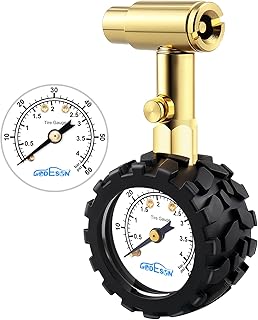
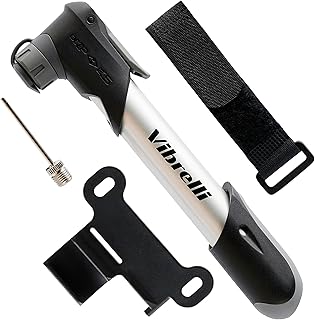
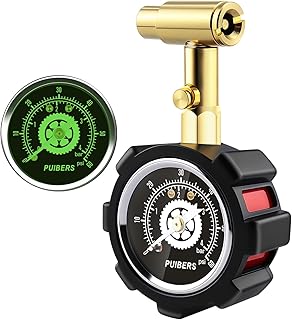
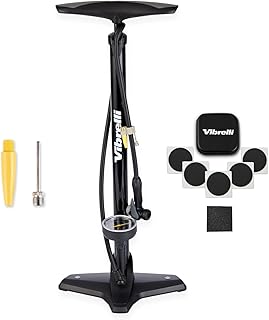
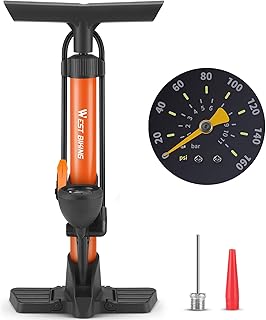
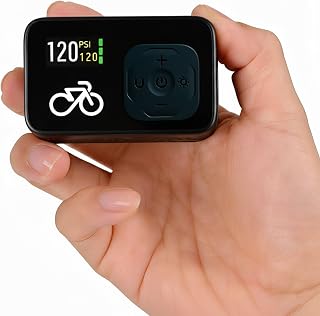
To properly check and adjust tire pressure, you'll need a few essential tools. First, ensure you have a reliable tire pressure gauge. These come in various types, such as digital, analog, or even smartphone-compatible gauges. Next, you'll need an air pump capable of reaching the desired PSI for your bicycle tires. Many cyclists prefer a floor pump for its stability and ease of use, but a handheld pump or even a CO2 inflator can be suitable for on-the-go adjustments.
Before checking the tire pressure, make sure the tires are at room temperature. Cold tires can give a lower PSI reading, leading to overinflation. Once you've ensured the tires are at the correct temperature, remove the valve cap and press the gauge onto the valve stem. For Presta valves, you'll need to open the valve by pressing down on the small plunger inside the valve stem before attaching the gauge.
Read the PSI value displayed on the gauge. Compare this to the recommended tire pressure for your specific bicycle, which can usually be found on the sidewall of the tire or in the bike's manual. If the pressure is too low, use the air pump to inflate the tire in small increments, checking the pressure frequently to avoid overinflation. If the pressure is too high, carefully release some air by pressing the valve stem or using the gauge's bleed valve, if available.
Once you've reached the desired PSI, replace the valve cap and give the tire a quick spin to ensure it's properly inflated and free of any punctures or leaks. Regularly checking and adjusting tire pressure is crucial for maintaining optimal performance, safety, and comfort while riding your bicycle.
Remember, it's essential to check the tire pressure before every ride, as it can fluctuate due to temperature changes, air leaks, or even just regular use. By following these steps, you'll be able to ensure your bicycle tires are always properly inflated, providing you with a smoother and safer ride.
Exploring the Cost of BMW Bikes in the Indian Market
You may want to see also
Explore related products



PSI and Performance: Analysis of how PSI impacts bike performance, including speed, comfort, and safety
PSI, or pounds per square inch, is a critical factor in determining the performance of a bicycle. The optimal PSI for a bike tire can significantly impact speed, comfort, and safety. Let's delve into how PSI affects each of these aspects.
Firstly, speed is directly influenced by tire pressure. Higher PSI typically results in less rolling resistance, allowing the bike to move faster with less effort. This is because a tire inflated to a higher pressure is firmer and deforms less when in contact with the road, reducing energy loss. However, if PSI is too high, the tire may become overly rigid, leading to a harsher ride and potentially compromising traction.
Comfort is another key consideration. A tire inflated to the correct PSI can absorb road vibrations and provide a smoother ride. Conversely, underinflated tires can lead to a bumpy and uncomfortable experience, as they are less able to cushion the rider from road imperfections. Overinflated tires can also cause discomfort, as they transmit more of the road's vibrations directly to the rider.
Safety is paramount when it comes to cycling. Proper tire inflation is crucial for maintaining control and stability. Underinflated tires can lead to a loss of traction, increasing the risk of skidding or sliding, especially in wet or slippery conditions. Overinflated tires, while providing good speed, may offer less grip and can be more prone to punctures from road debris.
In conclusion, finding the right PSI for a bike tire is essential for optimizing performance. It's a balance between speed, comfort, and safety. Riders should consult their bike's manual or a professional to determine the ideal PSI for their specific bike and riding conditions. Regularly checking and adjusting tire pressure can ensure a safe and enjoyable cycling experience.
Pedal Power: Unveiling the Energy Potential of Bike Dynamos
You may want to see also
Frequently asked questions
Road bike tires typically require between 80 to 120 PSI, depending on the rider's weight, the road conditions, and personal preference for ride comfort and handling.
Mountain bike tires generally require lower pressure, ranging from 30 to 50 PSI. This lower pressure provides better traction and shock absorption on rough terrain.
While it's common to use the same PSI for both front and rear tires, some riders may choose to inflate the rear tire slightly higher than the front to compensate for the additional weight carried at the back, especially on touring or loaded bikes.
It's recommended to check your bike tire pressure at least once a week and before any long rides. Tire pressure can decrease over time due to temperature changes and small punctures, so regular checks help ensure optimal performance and safety.