Lauren Kennedy

A bike dynamo, also known as a bicycle generator, is a device that converts the mechanical energy from a bicycle's wheel rotation into electrical energy. This energy can be used to power various devices such as lights, radios, or even charge batteries. The amount of power a bike dynamo produces depends on several factors, including the speed of the bicycle, the efficiency of the dynamo, and the load it is powering. Typically, a standard bike dynamo can produce between 0.5 to 2 watts of power, which is sufficient for basic lighting needs. However, more advanced dynamos can generate up to 6 watts or more, allowing for the use of more power-intensive devices. Understanding how much power a bike dynamo produces is essential for cyclists who rely on these devices for their energy needs while on the go.
Explore related products


What You'll Learn

Factors affecting dynamo power output
Several factors can significantly influence the power output of a bicycle dynamo. One of the primary factors is the speed at which the bicycle is moving. As the speed increases, the dynamo's rotor spins faster, generating more electricity. This relationship is directly proportional; thus, doubling the speed can potentially double the power output, assuming all other conditions remain constant.
Another critical factor is the efficiency of the dynamo itself. Different dynamos have varying levels of efficiency, which can be affected by the quality of the materials used, the design of the internal components, and the manufacturing process. A high-efficiency dynamo will convert a greater percentage of the mechanical energy from the bicycle's movement into electrical energy, resulting in higher power output.
The load on the dynamo also plays a crucial role. If the dynamo is powering multiple devices simultaneously, such as lights, a phone charger, and a GPS unit, it may struggle to maintain a high power output. Overloading the dynamo can lead to decreased efficiency and, in some cases, damage to the internal components. Therefore, it is essential to consider the total power requirements of all connected devices and ensure that they do not exceed the dynamo's capacity.
Environmental factors, such as temperature and humidity, can also impact the dynamo's performance. Extreme temperatures, both hot and cold, can affect the efficiency of the dynamo's internal components. Similarly, high humidity can lead to moisture buildup, which can cause corrosion and reduce the dynamo's lifespan. To maximize power output, it is advisable to use the dynamo in moderate environmental conditions and perform regular maintenance to prevent moisture-related issues.
Lastly, the condition of the bicycle's tires and drivetrain can indirectly affect the dynamo's power output. Worn or underinflated tires can increase rolling resistance, making it more difficult for the bicycle to maintain speed. Similarly, a poorly maintained drivetrain can lead to energy loss due to friction and inefficiency. By keeping the tires properly inflated and the drivetrain well-lubricated and clean, cyclists can ensure that the dynamo operates at its optimal level, generating the maximum possible power output.
Exploring the Cost of Peloton Bikes: A Comprehensive Guide
You may want to see also
Explore related products

$14.99

$24.56 $28.09



Typical power range for bike dynamos
Bike dynamos, also known as bicycle generators, convert mechanical energy from the rider's pedaling into electrical energy. The power output of a typical bike dynamo can vary significantly depending on several factors, including the type of dynamo, the speed at which the bike is traveling, and the load being powered. Generally, most bike dynamos produce between 0.5 and 5 watts of power. This range is sufficient to power small devices such as lights, radios, and GPS units, making them a practical addition to any cyclist's gear.
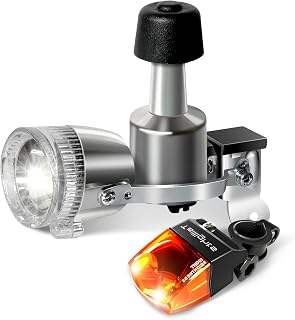
There are two main types of bike dynamos: hub dynamos and bottle dynamos. Hub dynamos are integrated into the bike's wheel hub and are known for their efficiency and reliability. They typically produce more power than bottle dynamos, often ranging from 2 to 5 watts. Bottle dynamos, on the other hand, are mounted on the bike frame and generate power by rubbing against the tire. They are less efficient and typically produce between 0.5 and 2 watts of power.
The speed at which the bike is traveling also plays a crucial role in determining the power output of the dynamo. As the speed increases, the dynamo's output increases as well. For example, a hub dynamo might produce 2 watts at a leisurely pace of 10 miles per hour, but it could produce up to 5 watts when the bike is traveling at a faster speed of 20 miles per hour. This relationship between speed and power output is important for cyclists to consider when planning their rides and determining what devices they can power with their dynamo.
In addition to the type of dynamo and the speed of the bike, the load being powered also affects the dynamo's output. If the load is too high, the dynamo may not be able to produce enough power to meet the demand, resulting in a decrease in performance. For example, trying to power a high-wattage device such as a smartphone or a tablet with a low-power dynamo could drain the dynamo's output and reduce its efficiency. Therefore, it is important for cyclists to choose devices that are compatible with their dynamo's power output.
In conclusion, the typical power range for bike dynamos is between 0.5 and 5 watts, with hub dynamos generally producing more power than bottle dynamos. The speed at which the bike is traveling and the load being powered also play significant roles in determining the dynamo's output. By understanding these factors, cyclists can make informed decisions about how to use their dynamos effectively and efficiently.
Understanding the Weight Capacity of Your Cannondale Carbon Bike
You may want to see also
Explore related products


Dynamo efficiency and energy conversion
The efficiency of a bicycle dynamo is a critical factor in determining how much power it can produce. Dynamo efficiency refers to the percentage of the mechanical energy input that is converted into electrical energy output. In general, bicycle dynamos have an efficiency range of 50-70%. This means that for every 100 units of mechanical energy input, the dynamo will produce 50-70 units of electrical energy output.
One of the key factors affecting dynamo efficiency is the design of the dynamo itself. Modern dynamos use a variety of technologies, such as neodymium magnets and advanced coil designs, to maximize efficiency. Additionally, the quality of the bearings and the smoothness of the rotor can also impact efficiency. A well-designed dynamo with high-quality components can achieve efficiencies of up to 70%, while a poorly designed dynamo may only achieve efficiencies of 50% or less.
Another important factor affecting dynamo efficiency is the speed at which the dynamo is operated. Dynamo efficiency typically increases with speed, as the faster the rotor spins, the more electrical energy can be generated. However, there is a limit to this effect, as at very high speeds the dynamo may begin to overheat or experience other performance issues.
The load on the dynamo also plays a role in its efficiency. If the dynamo is under a heavy load, such as powering multiple lights or charging a battery, its efficiency will decrease. This is because the dynamo must work harder to produce the required amount of electrical energy, which reduces the percentage of mechanical energy that is converted into electrical energy.
In conclusion, the efficiency of a bicycle dynamo is a complex issue that is affected by a variety of factors, including the design of the dynamo, the speed at which it is operated, and the load on the dynamo. By understanding these factors, cyclists can choose a dynamo that is well-suited to their needs and maximize the amount of power that it can produce.
Exploring the Cost of Peloton Bikes: A Comprehensive Guide
You may want to see also
Explore related products


Comparing dynamo power to other bike generators
Dynamo power stands out among bike generators due to its efficiency and reliability. Unlike other generators that may falter under varying conditions, dynamos maintain a consistent output, making them a preferred choice for cyclists. For instance, a typical bike dynamo can produce around 3 watts of power, which is sufficient to charge small devices or power bike lights. This steady output is crucial for long-distance cyclists who need a dependable power source.
In comparison, other bike generators like hub dynamos or bottle dynamos may offer slightly higher power outputs but are often less efficient. Hub dynamos, while integrated into the wheel, can generate up to 6 watts but may add unnecessary weight and complexity to the bike. Bottle dynamos, mounted on the frame, can produce around 4 watts but are more prone to damage from road debris.
Dynamo power also shines in terms of durability. Traditional dynamos have fewer moving parts compared to modern generators, reducing the likelihood of mechanical failures. This simplicity translates to lower maintenance costs and a longer lifespan, making dynamos a cost-effective option for cyclists.
Moreover, dynamos are environmentally friendly, converting kinetic energy into electrical power without the need for external fuel sources. This eco-friendly aspect appeals to cyclists who are conscious about their carbon footprint.
In conclusion, while other bike generators may offer slightly higher power outputs, dynamos excel in efficiency, reliability, and durability. Their consistent performance and low maintenance make them a top choice for cyclists seeking a dependable power source for their rides.
Understanding Bike Chain Slack: A Comprehensive Guide
You may want to see also
Explore related products


Applications and limitations of dynamo power
Dynamo power, harnessed from the kinetic energy of a bicycle's motion, has a variety of practical applications. One of the primary uses is to power lights and other small electrical devices, making it an essential feature for night-time cyclists and commuters. The power generated by a bike dynamo can also be used to charge batteries, providing a sustainable and eco-friendly energy source for cyclists on long trips or in remote areas.
However, the limitations of dynamo power must also be considered. The amount of power generated is directly proportional to the speed of the bicycle, meaning that at lower speeds, the output may not be sufficient to power certain devices. Additionally, the power output of a dynamo is typically quite low, often in the range of a few watts, which restricts its use to low-power devices.
Despite these limitations, dynamo power can be a valuable resource for cyclists. For example, it can be used to power a GPS device or a smartphone, providing navigation and communication capabilities without the need for a separate power source. Dynamo-powered lights are also a popular choice for cyclists, as they provide reliable illumination without the need for battery replacements.
In conclusion, while dynamo power has its limitations, it can be a useful and sustainable energy source for cyclists. By understanding its applications and limitations, cyclists can make informed decisions about how to best utilize this technology to meet their needs.
Exploring the Cost of Powder Coating Your Bike Frame
You may want to see also
Frequently asked questions
A typical bike dynamo can produce between 0.5 to 2 watts of power, depending on the model and the speed at which the bicycle is moving.
The power output of a bike dynamo is primarily affected by the speed of the bicycle, the efficiency of the dynamo, and the load it is powering. Higher speeds and more efficient dynamos will result in greater power output.
Yes, many modern bike dynamos are capable of charging USB devices such as smartphones. However, the charging speed may be slower compared to a standard wall charger due to the lower power output of the dynamo.