Eric Johnson
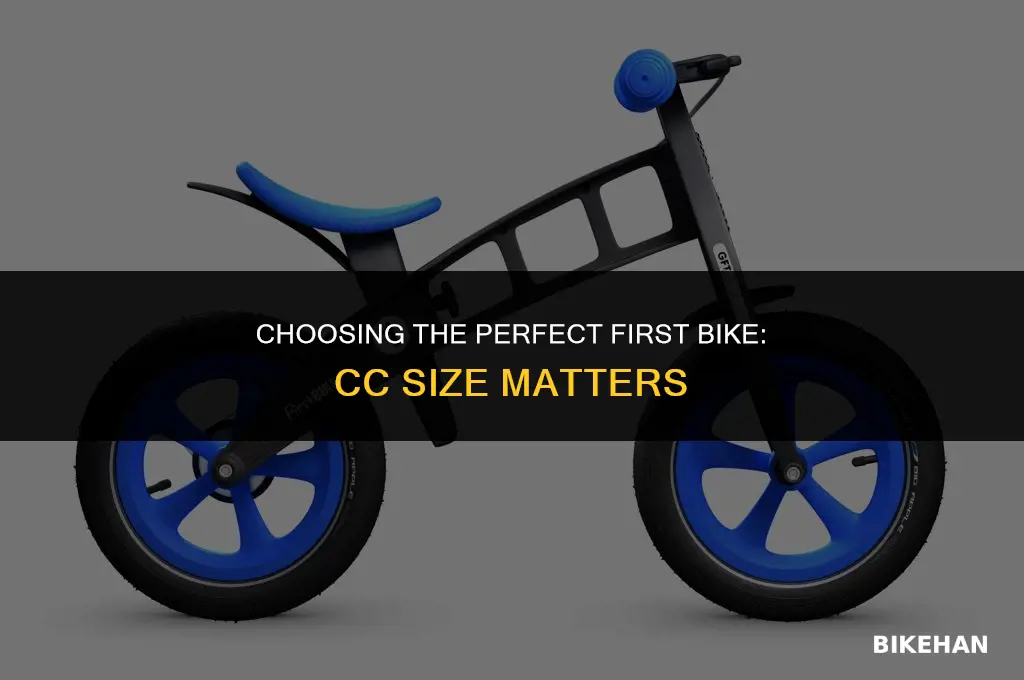
When considering your first motorcycle, one of the most important decisions you'll make is choosing the right engine size, measured in cubic centimeters (cc). The engine size will significantly impact your riding experience, affecting everything from acceleration and top speed to fuel efficiency and overall handling. For beginners, it's crucial to strike a balance between power and control. A smaller engine, typically ranging from 125cc to 250cc, is often recommended for new riders as it provides enough power to learn the basics of motorcycling without being overwhelming. These engines are generally more forgiving, easier to maneuver, and more cost-effective in terms of fuel and maintenance. As you gain experience and confidence, you can always consider upgrading to a larger engine size that better suits your riding style and preferences.
Explore related products


What You'll Learn
- Engine Size: Considerations for beginners on choosing the right engine capacity for their first motorcycle
- Weight and Handling: How the weight of a bike affects maneuverability and control, especially for new riders
- Seat Height: Importance of seat height in relation to rider comfort and confidence on the bike
- Fuel Efficiency: Tips on selecting a bike that offers good mileage, reducing long-term costs for new owners
- Maintenance Costs: Guidance on how engine size and bike type can influence maintenance and repair expenses

Engine Size: Considerations for beginners on choosing the right engine capacity for their first motorcycle
Choosing the right engine capacity for your first motorcycle is a crucial decision that can significantly impact your riding experience. Beginners often wonder how many cc (cubic centimeters) their first bike should be, and the answer depends on several factors. In this guide, we'll explore the considerations you should keep in mind when selecting the engine size for your first motorcycle.
First and foremost, it's essential to understand that engine size directly correlates with the power output of the motorcycle. A larger engine will typically produce more power, which can be both an advantage and a disadvantage for beginners. On one hand, a more powerful motorcycle can provide a thrilling riding experience and allow you to keep up with traffic more easily. On the other hand, it can also be more challenging to control and maneuver, especially for those who are new to riding.
One of the key considerations for beginners is their skill level and experience. If you're new to riding, it's generally recommended to start with a smaller engine size, such as 250cc or 300cc. These motorcycles are more forgiving and easier to handle, allowing you to build your confidence and skills before moving on to a more powerful bike. Additionally, smaller engines are often more fuel-efficient and cost-effective, which can be a significant advantage for new riders.
Another factor to consider is your physical size and weight. A larger rider may require a more powerful motorcycle to achieve adequate acceleration and speed, while a smaller rider may find it easier to handle a smaller engine size. It's essential to sit on different motorcycles and test their ergonomics to ensure that you can comfortably reach the handlebars, foot pegs, and controls.
Finally, it's crucial to think about your long-term goals and riding aspirations. If you plan on using your motorcycle for daily commuting, a smaller engine size may be more practical and cost-effective. However, if you're interested in touring or high-speed riding, you may want to consider a larger engine size that can provide the necessary power and performance.
In conclusion, choosing the right engine size for your first motorcycle requires careful consideration of your skill level, physical size, and long-term goals. By taking these factors into account, you can select a motorcycle that will provide a safe, enjoyable, and rewarding riding experience.
Pocket Bike Power: How Many CCs Does Yours Have?
You may want to see also
Explore related products


Weight and Handling: How the weight of a bike affects maneuverability and control, especially for new riders
The weight of a motorcycle plays a crucial role in its handling and maneuverability, especially for novice riders. A lighter bike is generally easier to control and less intimidating for those new to riding. This is because a lighter motorcycle requires less effort to steer, accelerate, and brake, allowing the rider to focus more on balance and road awareness. For example, a 150cc bike typically weighs between 100-150 kg, making it more manageable for beginners compared to a 500cc bike, which can weigh upwards of 200 kg.
However, it's important to note that while a lighter bike may be easier to handle, it may not provide the same level of stability at high speeds as a heavier bike. Additionally, lighter bikes often have smaller engines, which may limit their performance on highways or when carrying heavy loads. Therefore, it's essential for new riders to consider their intended use and riding environment when selecting a motorcycle.
When choosing a first bike, new riders should also consider the seat height and ergonomics. A bike with a lower seat height can be more comfortable and less daunting for beginners, as it allows for easier balance and control when stopped. Furthermore, the positioning of the handlebars, foot pegs, and controls can significantly impact the rider's comfort and ability to maneuver the bike effectively.
In conclusion, while the weight of a motorcycle is a critical factor in its handling and maneuverability, new riders should also consider other aspects such as engine size, seat height, and ergonomics when selecting their first bike. By carefully evaluating these factors, beginners can find a motorcycle that suits their needs and abilities, ultimately leading to a safer and more enjoyable riding experience.
Exploring the Fleet: A Look at Capital Bikeshare's Bike Count
You may want to see also
Explore related products


Seat Height: Importance of seat height in relation to rider comfort and confidence on the bike
Seat height is a critical factor in determining rider comfort and confidence on a motorcycle, especially for beginners. The ability to touch both feet on the ground when seated on the bike provides a sense of stability and control, which is essential for new riders who are still learning to balance and maneuver the motorcycle. A seat height that is too high can make it difficult for riders to mount and dismount the bike, as well as to maintain balance when stopped. This can lead to a lack of confidence and increased risk of accidents.
When choosing a first bike, it's important to consider the rider's height and inseam length in relation to the seat height of the motorcycle. A general rule of thumb is that the rider should be able to touch both feet on the ground with their knees slightly bent when seated on the bike. This allows for better control and stability, especially when starting and stopping. For shorter riders, a lower seat height may be necessary to ensure comfort and confidence.
In addition to rider height, the type of riding and the intended use of the motorcycle should also be considered when evaluating seat height. For example, a bike intended for off-road use may have a higher seat height to allow for better clearance over obstacles, while a bike intended for city commuting may have a lower seat height for easier maneuverability in traffic.
Ultimately, the ideal seat height for a first bike will depend on the individual rider's needs and preferences. It's important to test ride different models and adjust the seat height as needed to find the most comfortable and confident riding position. By considering seat height as a key factor in the bike selection process, new riders can improve their overall riding experience and reduce the risk of accidents.
Burn Calories and Shed Pounds with a Static Bike: Your Guide to Weight Loss
You may want to see also
Explore related products
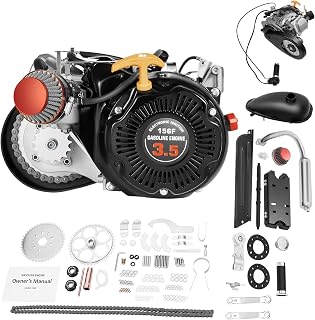
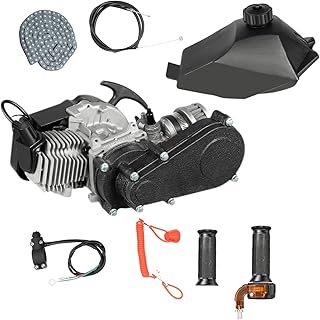


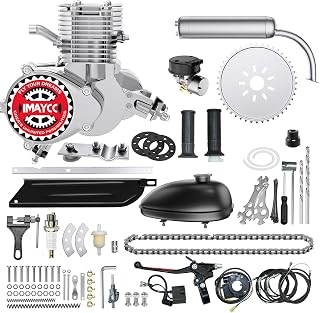

Fuel Efficiency: Tips on selecting a bike that offers good mileage, reducing long-term costs for new owners
When selecting a bike that offers good mileage, it's crucial to consider the engine size, as it directly impacts fuel efficiency. Smaller engines, typically ranging from 125cc to 250cc, are known for their fuel economy, making them an attractive option for new owners looking to reduce long-term costs. These bikes are not only more affordable to purchase but also cheaper to insure and maintain.
However, it's important to note that while smaller engines are generally more fuel-efficient, they may not be suitable for all riding conditions. For instance, if you plan to frequently ride on highways or carry heavy loads, a larger engine may be more appropriate. In such cases, you can still improve fuel efficiency by opting for a bike with advanced fuel injection systems or hybrid technology, which can provide better mileage without sacrificing power.
Another factor to consider is the bike's weight. Lighter bikes tend to be more fuel-efficient, as they require less energy to propel. Additionally, bikes with aerodynamic designs can also contribute to better mileage by reducing air resistance. When researching bikes, look for models that incorporate these features to maximize fuel efficiency.
To further enhance fuel economy, new owners should also focus on their riding habits. Smooth acceleration, maintaining a consistent speed, and avoiding sudden braking can all contribute to better mileage. Additionally, regular maintenance, such as keeping the tires properly inflated and ensuring the engine is well-tuned, can help optimize fuel efficiency.
In conclusion, selecting a bike with good fuel efficiency involves considering a combination of factors, including engine size, weight, design, and riding habits. By carefully evaluating these aspects, new owners can choose a bike that not only meets their riding needs but also helps reduce long-term costs through improved mileage.
Rev Up Your Workout: The Calorie-Burning Power of Arm Biking
You may want to see also
Explore related products
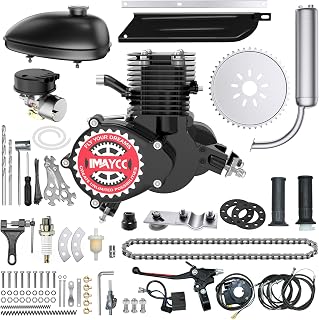


Maintenance Costs: Guidance on how engine size and bike type can influence maintenance and repair expenses
Engine size and bike type significantly impact maintenance and repair expenses. Larger engines typically require more frequent and costly maintenance due to their complexity and the higher wear and tear they experience. For instance, a 1000cc motorcycle will generally have higher maintenance costs compared to a 250cc bike. This is because larger engines have more moving parts, which can lead to more potential issues and the need for specialized tools and expertise during repairs.
The type of bike also plays a crucial role in maintenance costs. Sportbikes, for example, often have more aggressive riding positions and higher performance demands, which can result in more frequent tire changes, brake replacements, and suspension adjustments. On the other hand, cruisers and touring bikes are designed for comfort and long-distance travel, which may lead to lower maintenance costs due to their more relaxed riding style and less strenuous performance requirements.
When considering maintenance costs, it's essential to think about the long-term implications of owning a particular bike. While a larger engine or a sportbike may provide an exhilarating riding experience, the increased maintenance costs can add up over time. For new riders, starting with a smaller engine and a more forgiving bike type can be a more cost-effective approach, allowing them to build their skills and confidence without incurring excessive maintenance expenses.
Regular maintenance is key to keeping any motorcycle in good condition, regardless of engine size or bike type. Simple tasks like oil changes, chain lubrication, and tire pressure checks can help prevent more significant issues down the road. By staying on top of routine maintenance, riders can minimize the need for costly repairs and extend the life of their motorcycle.
In conclusion, when choosing a first bike, it's crucial to consider not only the initial purchase price but also the ongoing maintenance costs. By selecting a bike with a smaller engine and a type that suits their riding style and experience level, new riders can enjoy their motorcycle while keeping maintenance expenses in check.
Pedaling Towards Fitness: Calorie Burn Insights for Sedentary Cyclists
You may want to see also
Frequently asked questions
As a beginner, it's recommended to start with a bike that has an engine size of 125cc to 250cc. These bikes are typically lighter, easier to handle, and have enough power to get you accustomed to riding without being overwhelming.
When choosing the cc of your first bike, consider factors such as your experience level, the type of riding you plan to do (city commuting, long-distance touring, off-road, etc.), your budget, and your physical size and strength. It's important to choose a bike that you can comfortably handle and that meets your riding needs.
No, a higher cc bike is not always better for a beginner. While a larger engine may provide more power, it can also be more difficult to control and handle, especially for those new to riding. It's important to start with a bike that you can comfortably manage and gradually work your way up to larger engines as you gain experience and confidence.
While it's possible to start with a 500cc bike, it's generally not recommended for beginners. A 500cc bike is more powerful and heavier than a typical beginner bike, which can make it more challenging to learn on. It's usually best to start with a smaller engine size and work your way up to larger bikes as you gain experience and confidence in your riding abilities.