Megan Blake
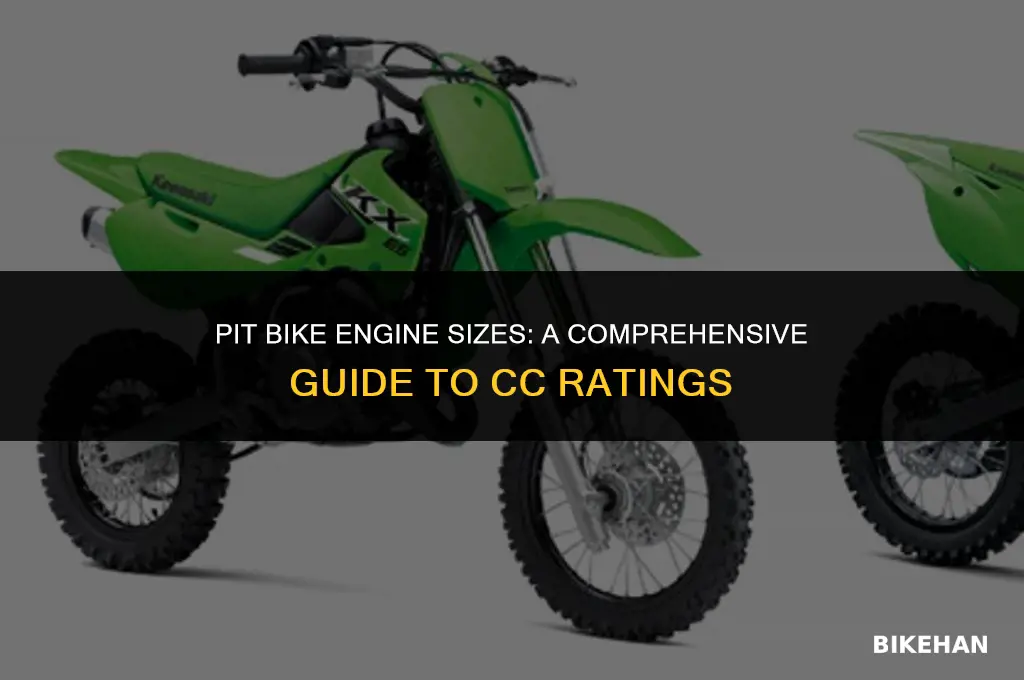
Pit bikes, also known as mini bikes or pocket bikes, are small, lightweight motorcycles designed for off-road use and racing on dirt tracks. They are characterized by their compact size, making them suitable for riders of all ages and skill levels. One of the key specifications that potential buyers and enthusiasts often inquire about is the engine displacement, measured in cubic centimeters (cc). The engine size of a pit bike can vary significantly, ranging from as small as 50cc to over 125cc. This variation in engine size affects the bike's power output, speed, and overall performance. For beginners, a smaller engine size is typically recommended due to its ease of handling and lower maintenance requirements. In contrast, more experienced riders may opt for larger engine sizes to achieve greater speed and acceleration. Understanding the relationship between engine size and performance is crucial for selecting the right pit bike for one's needs and preferences.
Explore related products


What You'll Learn
- Engine Displacement: Pit bikes typically have small engines, ranging from 50cc to 110cc
- Bike Size and Weight: They are lightweight and compact, designed for easy maneuverability on dirt tracks
- Performance and Speed: Pit bikes are built for quick acceleration and agility rather than top speed
- Suspension and Tires: They feature robust suspension systems and knobby tires for better traction on rough terrain
- Legal and Safety Considerations: Pit bikes may have restrictions on public road use and require safety gear like helmets and pads

Engine Displacement: Pit bikes typically have small engines, ranging from 50cc to 110cc
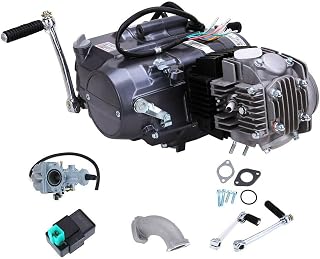
Pit bikes, designed for off-road racing and recreational riding, are characterized by their compact and lightweight engines. The engine displacement of these bikes typically ranges from 50cc to 110cc, which is significantly smaller than that of standard motorcycles. This size is ideal for the tight, twisty tracks on which pit bikes are ridden, as it allows for quick acceleration and agile handling.
The smaller engine displacement also means that pit bikes are more accessible to younger riders and beginners, as they are easier to control and less intimidating than larger bikes. Additionally, the lower cc engines are more fuel-efficient, making them a cost-effective option for those looking to get into off-road biking without breaking the bank.
However, the smaller engine size does come with some limitations. Pit bikes may not be suitable for long-distance riding or for those seeking high top speeds. They are best suited for short, intense bursts of speed and maneuverability on closed tracks or designated off-road areas.
When choosing a pit bike, it's important to consider the rider's skill level, age, and intended use. For younger or less experienced riders, a 50cc or 70cc bike may be the best option, while more experienced riders may prefer a 90cc or 110cc model for the additional power and performance.
In conclusion, the engine displacement of pit bikes plays a crucial role in their performance, accessibility, and suitability for different riders and riding conditions. By understanding the range of engine sizes available and the implications of each, riders can make an informed decision when selecting a pit bike that meets their needs and preferences.
Cycling Calories: Unraveling the Mystery of Miles and Burn
You may want to see also
Explore related products


Bike Size and Weight: They are lightweight and compact, designed for easy maneuverability on dirt tracks
Pit bikes are designed with a focus on agility and control, which is reflected in their lightweight and compact construction. Typically, these bikes weigh between 100 to 150 pounds, making them easy to handle and maneuver on the tight turns and uneven surfaces of dirt tracks. The frame geometry is optimized for quick acceleration and responsive steering, allowing riders to navigate obstacles with precision.
One of the key features contributing to the lightweight nature of pit bikes is their small engine size. These engines usually range from 50cc to 110cc, providing enough power for competitive racing while keeping the overall weight low. The smaller engine also results in a lower center of gravity, enhancing the bike's stability and control during high-speed maneuvers.
The compact size of pit bikes is achieved through a combination of design elements, including a shorter wheelbase and lower seat height. This makes the bike more accessible to riders of various ages and skill levels, as well as easier to transport and store. The smaller footprint also allows for better traction and grip on loose dirt surfaces, improving overall performance on the track.
In addition to their lightweight and compact design, pit bikes often feature high-quality suspension systems to absorb shocks and maintain control over rough terrain. The tires are also specifically designed for dirt track racing, with deep treads for maximum grip and durability.
Overall, the bike size and weight play a crucial role in the performance and handling of pit bikes. Their lightweight and compact design allows for easy maneuverability and control on dirt tracks, making them a popular choice for both amateur and professional racers.
Spin Bike Calorie Burn: Unlocking the Secrets to Effective Indoor Cycling
You may want to see also
Explore related products


Performance and Speed: Pit bikes are built for quick acceleration and agility rather than top speed
Pit bikes are engineered with a focus on rapid acceleration and nimble handling, which are crucial for navigating the tight turns and jumps of a motocross track. This design philosophy prioritizes the ability to quickly gain speed from a standstill and maneuver through challenging terrain over achieving high top speeds. The lightweight frames and powerful engines of pit bikes contribute to their exceptional acceleration capabilities, allowing riders to experience an adrenaline rush as they launch off the starting line.
One of the key factors that influence a pit bike's performance is its power-to-weight ratio. Manufacturers strive to create engines that produce maximum power while keeping the overall weight of the bike as low as possible. This balance ensures that riders can accelerate quickly and maintain control during high-speed maneuvers. Additionally, the suspension systems on pit bikes are designed to absorb the impact of jumps and rough terrain, providing a smoother ride and enabling riders to maintain their speed through obstacles.
While top speed is not the primary focus of pit bike design, it is still an important consideration for riders who want to compete at the highest levels. Some pit bikes can reach speeds of over 60 miles per hour, which is more than sufficient for most motocross tracks. However, the real advantage of a pit bike lies in its ability to accelerate quickly and maintain high speeds through tight corners and over jumps, rather than simply reaching a high top speed on a straightaway.
In conclusion, the performance and speed of a pit bike are defined by its quick acceleration, agility, and ability to handle challenging terrain. These characteristics make pit bikes ideal for motocross racing and other off-road applications where speed and maneuverability are essential. Riders who prioritize top speed may find that a pit bike is not the best choice for their needs, but for those who value quick acceleration and precise handling, a pit bike can provide an exhilarating and competitive riding experience.
Calories Burned: Unraveling the Mystery of 1K Bike Rides
You may want to see also
Explore related products


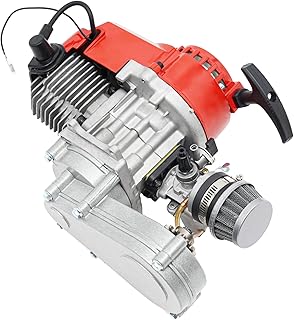

Suspension and Tires: They feature robust suspension systems and knobby tires for better traction on rough terrain
Pit bikes are designed with durability and performance in mind, especially when it comes to their suspension and tire systems. These components are crucial for handling the rough and uneven terrain typically encountered in off-road riding. A robust suspension system on a pit bike helps absorb shocks and maintain stability, allowing the rider to navigate obstacles with greater control. This is particularly important for bikes with smaller engines, as they are often used in environments where agility and maneuverability are key.
The tires on pit bikes are equally important, featuring knobby treads that provide better grip on loose surfaces such as dirt, mud, and gravel. These tires are designed to withstand the rigors of off-road riding while offering the necessary traction to prevent slipping and sliding. The combination of a strong suspension system and high-quality tires ensures that pit bikes can handle a variety of challenging terrains, making them suitable for both recreational and competitive use.
When selecting a pit bike, it's essential to consider the suspension and tire specifications to ensure they meet the rider's needs and preferences. Factors such as the type of suspension (e.g., telescopic forks, mono-shock), the size and type of tires, and the overall build quality can significantly impact the bike's performance and handling characteristics. By choosing a bike with a well-designed suspension and tire system, riders can enhance their off-road experience and improve their overall safety and control.
In summary, the suspension and tires of a pit bike play a critical role in its performance and suitability for off-road riding. A robust suspension system helps absorb shocks and maintain stability, while knobby tires provide the necessary traction on rough terrain. When selecting a pit bike, it's important to consider these components to ensure the bike meets the rider's specific needs and preferences.
Rev Up Your Workout: Calorie-Burning Benefits of Desk Biking
You may want to see also
Explore related products


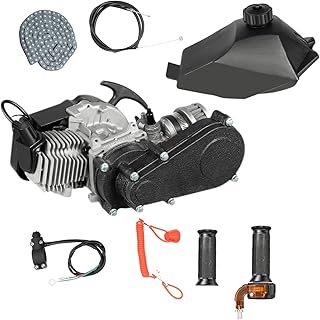
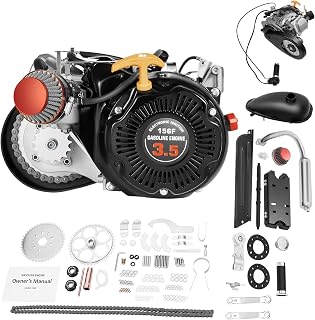

Legal and Safety Considerations: Pit bikes may have restrictions on public road use and require safety gear like helmets and pads
Pit bikes, while popular for off-road and recreational use, come with specific legal and safety considerations that riders must be aware of. One of the primary legal concerns is the restriction on public road use. In many jurisdictions, pit bikes are not street legal due to their lack of certain safety features required for road vehicles, such as lights, mirrors, and turn signals. Riders should check local laws and regulations to determine where and how they can legally operate their pit bikes.
In addition to legal restrictions, safety gear is a critical consideration for pit bike riders. Helmets are essential to protect against head injuries in the event of a fall or collision. Riders should choose helmets that meet safety standards and fit properly. Other protective gear, such as gloves, boots, and body armor, can also help minimize the risk of injury. Pads, particularly knee and elbow pads, are recommended for beginners and those riding in rough terrain.
When selecting safety gear, riders should consider the specific type of riding they will be doing. For example, those participating in motocross or other competitive events may need more specialized equipment than casual trail riders. It is also important to ensure that all gear is in good condition and replaced when necessary.
Riders should also be aware of the potential risks associated with pit bike use. These include not only physical injuries but also environmental hazards, such as riding in areas with loose soil or uneven terrain. Proper training and experience can help mitigate these risks, as can following safety guidelines and best practices.
In conclusion, while pit bikes offer an exciting and enjoyable way to explore off-road trails, riders must be mindful of the legal and safety considerations involved. By understanding and adhering to local laws and regulations, investing in appropriate safety gear, and practicing responsible riding habits, pit bike enthusiasts can minimize risks and maximize their enjoyment of the sport.
Revving Up the Facts: MotoGP Bike Engine Capacities Explained
You may want to see also
Frequently asked questions
Pit bikes usually have engine displacements ranging from 50cc to 125cc, with some models going up to 150cc or more.
A larger engine size generally means more power and faster speeds, but it can also make the bike heavier and more challenging to handle, especially for beginners.
Yes, pit bikes are often categorized by their engine size, such as mini (50cc-70cc), youth (80cc-100cc), and adult (110cc-150cc) models.
"CC" stands for cubic centimeters and measures the volume of the engine's cylinders. A higher cc value indicates a larger engine with potentially more power.
Consider factors like your experience level, body size, and intended use. Beginners may prefer smaller engines for easier handling, while experienced riders might opt for larger engines for more power and speed.