Ryan Cole
Mini bikes, often referred to as pocket bikes or mini motorcycles, are small-scale replicas of full-sized motorcycles designed for recreational use or as a stepping stone for beginners. One of the most common questions about mini bikes is their engine displacement, measured in cubic centimeters (cc). The engine size of a mini bike can vary, but typically ranges from 50cc to 110cc. This compact engine size makes them suitable for riders of all ages and skill levels, providing a thrilling yet manageable riding experience.
Explore related products


What You'll Learn
- Engine Sizes: Mini bikes typically have engines ranging from 50cc to 110cc, impacting power and speed
- Performance: Higher cc engines offer better acceleration and higher top speeds, enhancing overall performance
- Fuel Efficiency: Smaller engines tend to be more fuel-efficient, making them economical for short rides
- Weight and Handling: Lighter mini bikes with smaller engines are easier to maneuver, especially for beginners
- Legal Restrictions: Different regions have varying laws regarding the maximum cc allowed for mini bikes on public roads

Engine Sizes: Mini bikes typically have engines ranging from 50cc to 110cc, impacting power and speed
Mini bikes, often favored for their compact size and ease of maneuverability, come equipped with a variety of engine sizes. These engines typically range from 50cc to 110cc, a spectrum that significantly impacts the bike's power and speed capabilities. At the lower end of this range, 50cc engines are generally found in beginner-friendly models designed for younger riders or those new to motorcycling. These engines provide sufficient power for basic riding and learning but are not built for high speeds or rigorous performance.
As engine size increases, so does the bike's potential for speed and power. A 110cc engine, for instance, can deliver a more robust performance, making it suitable for more experienced riders or those seeking a bit more thrill from their mini bike. The larger engine size allows for higher top speeds and better acceleration, which can be particularly appealing for recreational riding or competitive racing.
The choice of engine size also has implications for fuel efficiency and maintenance. Smaller engines, like the 50cc, tend to be more fuel-efficient, making them a cost-effective option for casual riders. However, they may require more frequent maintenance due to their higher revving nature. On the other hand, larger engines, such as the 110cc, might consume more fuel but could potentially offer longer intervals between maintenance checks due to their lower operational RPMs.
In summary, the engine size of a mini bike is a critical factor that influences its performance, fuel efficiency, and maintenance requirements. Riders should consider their experience level, intended use, and personal preferences when selecting an engine size that best suits their needs.
Exploring London's Streets: The Abundance of Boris Bikes
You may want to see also
Explore related products


Performance: Higher cc engines offer better acceleration and higher top speeds, enhancing overall performance
Higher cc engines in mini bikes significantly enhance performance by offering better acceleration and higher top speeds. This is primarily due to the increased displacement of the engine, which allows for more fuel and air to be combusted, resulting in greater power output. For instance, a 110 cc mini bike can typically reach speeds of up to 30-35 mph, while a 125 cc model can exceed 40 mph, making it more suitable for racing or faster commuting.
The improved acceleration is particularly noticeable when starting from a standstill or when overtaking other vehicles. A higher cc engine provides more torque, which is the force that causes an object to rotate about an axis, enabling the bike to move more quickly and efficiently. This is especially beneficial in off-road conditions where quick acceleration can help navigate challenging terrains and obstacles more effectively.
Moreover, higher cc engines often come with more advanced features such as improved suspension systems, better braking mechanisms, and more durable construction, all of which contribute to a safer and more enjoyable riding experience. These enhancements can make a significant difference in the overall performance and reliability of the mini bike, especially during prolonged use or in demanding environments.
However, it's important to note that while higher cc engines offer better performance, they also come with certain drawbacks. For example, they may be less fuel-efficient, produce more noise and emissions, and require more maintenance compared to lower cc engines. Additionally, the increased power and speed can make the bike more challenging to handle, especially for inexperienced riders, and may necessitate additional safety precautions and training.
In conclusion, the performance benefits of higher cc engines in mini bikes are clear, with improved acceleration and top speeds making them a popular choice for enthusiasts and those seeking a more thrilling riding experience. However, potential buyers should carefully consider the associated costs and responsibilities before opting for a higher cc model.
Exploring the Fleet: A Look at Capital Bikeshare's Bike Count
You may want to see also
Explore related products


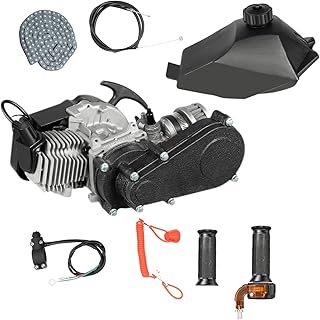


Fuel Efficiency: Smaller engines tend to be more fuel-efficient, making them economical for short rides
Smaller engines, typically found in mini bikes, are renowned for their fuel efficiency. This characteristic makes them an economical choice for short rides, where the cost of fuel can be a significant factor. The compact size of these engines means they require less fuel to operate, which translates into lower running costs for the rider.
One of the key benefits of smaller engines is their ability to achieve higher miles per gallon (mpg) compared to larger engines. This is due to the fact that smaller engines have a lower displacement, which means they burn less fuel per combustion cycle. As a result, riders can enjoy the same performance as larger bikes but with the added advantage of reduced fuel consumption.
In addition to being fuel-efficient, smaller engines are also more environmentally friendly. They produce fewer emissions, which contributes to a lower carbon footprint. This is an important consideration for riders who are conscious about their impact on the environment.
However, it's important to note that while smaller engines are more fuel-efficient for short rides, they may not be the best choice for longer journeys. Larger engines often have a higher top speed and more power, which can be beneficial for highway travel. Therefore, riders should consider their intended use when choosing between a mini bike with a smaller engine and a larger motorcycle.
In conclusion, the fuel efficiency of smaller engines makes them an attractive option for short rides. They offer lower running costs, higher mpg, and reduced emissions, making them a practical and environmentally friendly choice for riders. However, for longer journeys, larger engines may be more suitable due to their higher top speed and power output.
Pedaling Towards Fitness: Calorie Burn Insights for Sedentary Cyclists
You may want to see also
Explore related products


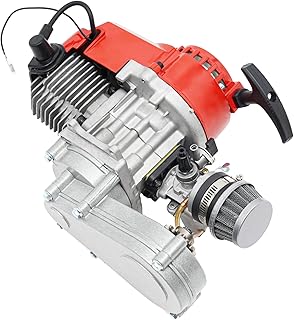
Weight and Handling: Lighter mini bikes with smaller engines are easier to maneuver, especially for beginners
Lighter mini bikes, typically those with smaller engines, offer several advantages in terms of weight and handling. These bikes are generally easier to maneuver, making them an excellent choice for beginners who are still learning the ropes of riding. The reduced weight allows for quicker acceleration and more agile movements, which can be particularly beneficial when navigating tight spaces or making sharp turns.
One of the key benefits of lighter mini bikes is their improved fuel efficiency. Smaller engines require less fuel to operate, which not only saves money on gas but also reduces the overall weight of the bike. This can lead to a more enjoyable riding experience, as the bike is less cumbersome and easier to control.
In addition to their ease of handling, lighter mini bikes are also more accessible for a wider range of riders. For example, younger riders or those with less physical strength may find it difficult to manage heavier bikes, but lighter models are more manageable. This makes mini bikes an inclusive option for riders of various ages and skill levels.
When it comes to maintenance, lighter mini bikes often require less effort and resources. Smaller engines are typically simpler in design, which can make them easier to repair and maintain. Additionally, the reduced weight of the bike can lead to less wear and tear on components such as brakes and tires, resulting in lower maintenance costs over time.
Overall, the weight and handling characteristics of lighter mini bikes make them an attractive option for beginners and experienced riders alike. Their ease of maneuverability, improved fuel efficiency, and accessibility for a wider range of riders make them a practical and enjoyable choice for those looking to get into mini bike riding.
Torch Calories with Assault Bike: Your Ultimate Fitness Companion
You may want to see also
Explore related products


Legal Restrictions: Different regions have varying laws regarding the maximum cc allowed for mini bikes on public roads
Navigating the legal landscape of mini bike usage on public roads can be a complex task, as regulations vary significantly from one region to another. In the United States, for instance, the maximum engine displacement allowed for mini bikes on public roads typically ranges from 50cc to 110cc, depending on the state. Some states, like California, have stricter regulations, permitting only 50cc mini bikes on public roads, while others, such as Texas, allow up to 110cc.
In contrast, European countries have a more uniform approach to mini bike regulations. The European Union classifies mini bikes as 'lightweight vehicles' and sets a maximum engine displacement of 50cc for those that can be driven on public roads. However, individual countries within the EU may have additional restrictions or requirements, such as mandatory safety equipment or age limits for riders.
In Asia, the regulations surrounding mini bikes are even more diverse. In Japan, mini bikes with engine displacements up to 50cc are allowed on public roads, but they must meet specific safety standards and be equipped with certain features, such as headlights and turn signals. In China, the rules are less clear, with some cities allowing mini bikes on public roads while others prohibit them entirely.
Understanding these regional differences is crucial for mini bike enthusiasts who wish to ride their vehicles legally and safely on public roads. It is important to research the specific laws and regulations in your area before purchasing or operating a mini bike, as failure to comply with local laws can result in fines, penalties, or even the confiscation of your vehicle.
Fueling Your Ride: Caloric Needs for a Half Ironman Bike Segment
You may want to see also
Frequently asked questions
A typical mini bike usually has an engine displacement ranging from 50cc to 110cc.
The engine size of a mini bike directly affects its performance. Larger engine sizes, such as 110cc, generally provide more power and higher top speeds compared to smaller engines like 50cc.
Mini bikes are not suitable for all ages. They are typically designed for children and young teenagers. Common age restrictions vary by manufacturer and model, but generally, they are recommended for ages 6 to 16 years old, depending on the bike's size and power.