Lauren Kennedy
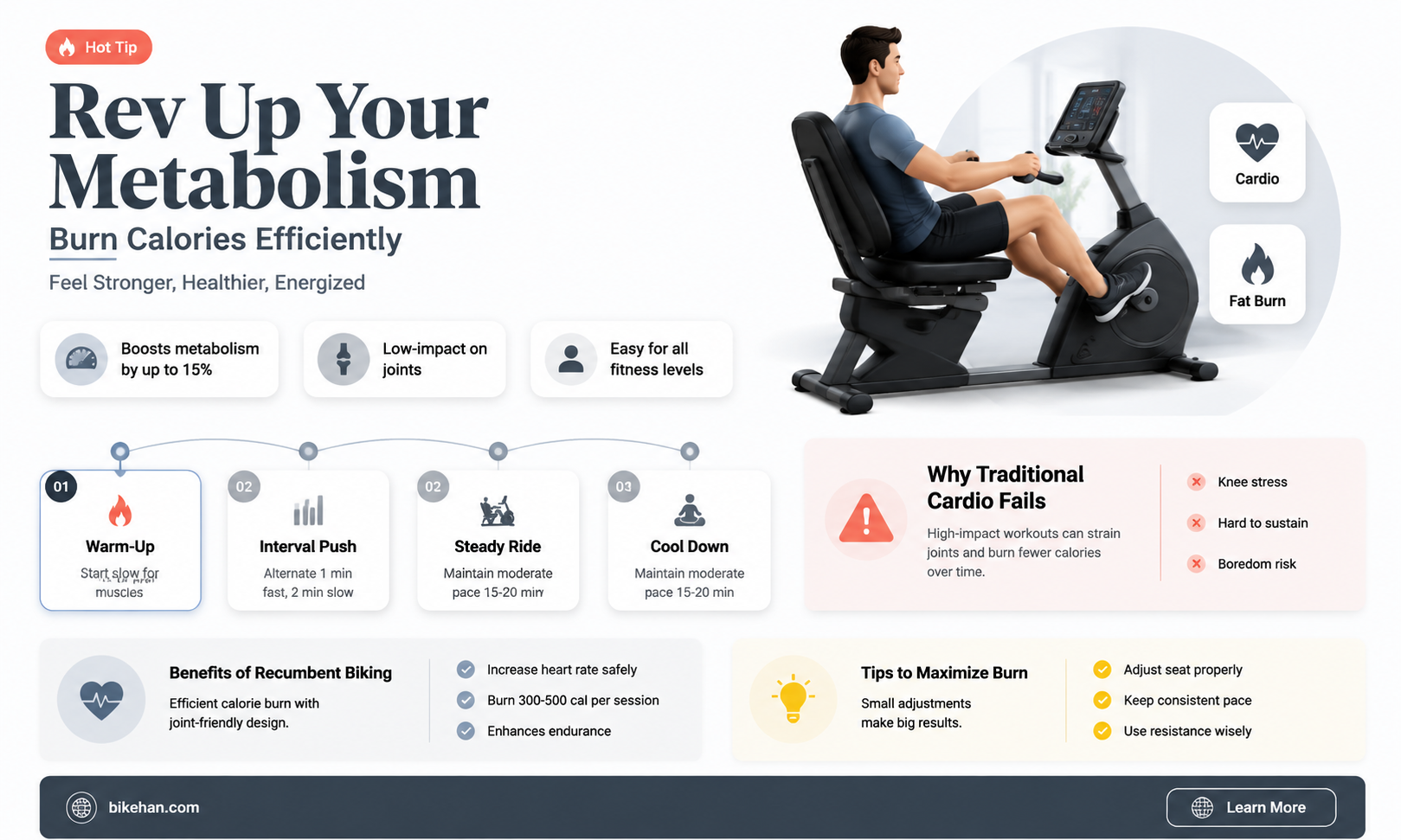
The number of calories burned on a recumbent bike can vary significantly depending on several factors, including the intensity of the workout, the duration, and the individual's weight and fitness level. Recumbent bikes offer a low-impact cardiovascular exercise that engages the muscles of the lower body, particularly the glutes, hamstrings, and calves. Unlike upright bikes, recumbent bikes provide a more comfortable and stable seating position, which can be beneficial for individuals with back or joint issues. To estimate the calorie burn, one can use general guidelines that suggest a moderate-intensity workout on a recumbent bike can burn approximately 400-600 calories per hour for an average adult. However, for a more accurate assessment, it's recommended to use a heart rate monitor or consult with a fitness professional who can provide personalized calculations based on individual metrics and exercise goals.
Explore related products


What You'll Learn
- Factors Affecting Calorie Burn: Intensity, duration, body weight, and resistance level impact calorie expenditure on a recumbent bike
- Average Calorie Burn per Hour: Estimates suggest a moderate-intensity ride can burn approximately 400-600 calories per hour
- High-Intensity Interval Training (HIIT): Incorporating HIIT into recumbent biking can significantly increase calorie burn and cardiovascular benefits
- Comparing Recumbent and Upright Bikes: Recumbent bikes may engage different muscle groups, potentially leading to varied calorie burn compared to upright bikes
- Tracking Calorie Burn: Using heart rate monitors, fitness trackers, or bike-mounted devices can help accurately track calorie expenditure during recumbent biking sessions

Factors Affecting Calorie Burn: Intensity, duration, body weight, and resistance level impact calorie expenditure on a recumbent bike
The number of calories burned on a recumbent bike is influenced by several key factors, each playing a significant role in determining the overall energy expenditure. Understanding these factors can help individuals optimize their workouts for better results.
Intensity is a primary determinant of calorie burn. Higher intensity workouts, where the heart rate is elevated significantly, result in a greater number of calories burned per minute. For instance, a vigorous cycling session can burn anywhere from 600 to 1000 calories per hour, depending on the individual's weight and the resistance level.
Duration also impacts calorie expenditure. Longer workouts naturally burn more calories, but the body's efficiency can change over time. Initially, the body burns calories at a higher rate, but as the workout progresses, it becomes more efficient, and the rate of calorie burn may decrease slightly.
Body weight is another crucial factor. Heavier individuals tend to burn more calories during physical activities because their bodies require more energy to perform the same tasks. For example, a person weighing 150 pounds may burn around 400 calories in a 30-minute moderate-intensity recumbent bike session, while someone weighing 200 pounds could burn approximately 530 calories in the same duration.
Resistance level also affects calorie burn. Increasing the resistance on the recumbent bike requires the muscles to work harder, which in turn increases the number of calories burned. For instance, a low-resistance workout might burn around 300 calories per hour, whereas a high-resistance session could burn up to 600 calories per hour for an average-sized individual.
In summary, to maximize calorie burn on a recumbent bike, one should aim for high-intensity workouts of longer duration, while also adjusting the resistance level to challenge the muscles. Additionally, individuals with higher body weight will naturally burn more calories during their sessions. By considering these factors, one can design an effective workout regimen tailored to their specific goals and physical attributes.
Exploring London's Streets: The Abundance of Boris Bikes
You may want to see also
Explore related products


Average Calorie Burn per Hour: Estimates suggest a moderate-intensity ride can burn approximately 400-600 calories per hour
The average calorie burn per hour on a recumbent bike can vary significantly based on several factors, including the rider's weight, the intensity of the workout, and the duration of the ride. Estimates suggest that a moderate-intensity ride can burn approximately 400-600 calories per hour. This range is a general guideline and can be influenced by individual differences in metabolism and fitness level.
For a more accurate assessment, it's essential to consider the rider's body weight. Typically, the more a person weighs, the more calories they will burn during a workout. For instance, a 150-pound individual might burn around 400 calories per hour at a moderate intensity, while a 200-pound person could burn closer to 500-600 calories under the same conditions.
Intensity also plays a crucial role in calorie burn. A moderate-intensity ride is generally defined as one where the rider is working hard enough to elevate their heart rate but can still hold a conversation. Increasing the intensity, such as by pedaling faster or incorporating interval training, can significantly boost calorie expenditure. Conversely, a lower-intensity ride, such as a leisurely pace, will burn fewer calories.
Duration is another key factor. The longer the ride, the more calories will be burned overall. However, it's important to note that the body's efficiency can change over time. For example, during a prolonged ride, the body may start to conserve energy by becoming more efficient at using oxygen, which could slightly reduce the calorie burn rate.
To maximize calorie burn on a recumbent bike, riders can experiment with different workout strategies. High-intensity interval training (HIIT), which involves short bursts of intense effort followed by recovery periods, can be particularly effective. Additionally, incorporating strength training exercises, such as using resistance bands or performing bodyweight exercises during breaks, can help increase overall calorie expenditure.
In summary, while the average calorie burn per hour on a recumbent bike is estimated to be between 400-600 calories for a moderate-intensity ride, individual factors such as weight, intensity, and duration can significantly influence this range. By understanding these variables and tailoring workouts accordingly, riders can optimize their calorie burn and achieve their fitness goals more effectively.
Pedal Power: Unlocking the Calorie-Burning Potential of Bike Commuting
You may want to see also
Explore related products




High-Intensity Interval Training (HIIT): Incorporating HIIT into recumbent biking can significantly increase calorie burn and cardiovascular benefits
High-Intensity Interval Training (HIIT) is a powerful tool for maximizing the effectiveness of recumbent biking workouts. By incorporating HIIT principles, individuals can significantly boost their calorie burn and enhance cardiovascular benefits. This approach involves alternating between short bursts of intense effort and periods of lower intensity, creating a dynamic workout that challenges the body in unique ways.
To implement HIIT on a recumbent bike, start by warming up with a moderate-intensity ride for 5-10 minutes. Then, increase the resistance or speed for a 30-second to 1-minute sprint, followed by a 2-minute recovery period at a lower intensity. Repeat this cycle for 15-20 minutes, adjusting the duration and intensity of the sprints based on fitness level and goals.
One of the key benefits of HIIT is its ability to increase calorie burn both during and after the workout. The intense bursts of effort elevate the heart rate, leading to higher calorie expenditure. Additionally, HIIT can improve cardiovascular health by enhancing the body's ability to utilize oxygen and increasing the efficiency of the heart and lungs.
When incorporating HIIT into recumbent biking, it's essential to focus on proper form and technique to prevent injury. Maintain a steady cadence, engage the core muscles, and avoid leaning too far forward or backward. It's also important to listen to the body and adjust the intensity and duration of the sprints as needed to avoid overexertion.
In conclusion, HIIT is a valuable addition to recumbent biking workouts, offering a range of benefits for calorie burn and cardiovascular health. By following a structured HIIT routine and focusing on proper form and technique, individuals can take their recumbent biking experience to the next level and achieve their fitness goals more efficiently.
Calorie Burn Breakdown: Your Guide to Losing Weight by Biking 2 Miles
You may want to see also
Explore related products


Comparing Recumbent and Upright Bikes: Recumbent bikes may engage different muscle groups, potentially leading to varied calorie burn compared to upright bikes
Recumbent bikes offer a unique approach to cycling that differs significantly from traditional upright bikes. One of the key distinctions lies in the muscle groups engaged during riding. While upright bikes primarily work the quadriceps, hamstrings, and glutes, recumbent bikes shift the focus to the calves, lower back, and glutes. This change in muscle engagement can lead to varied calorie burn rates, making recumbent bikes an interesting option for those looking to diversify their workout routines.
The calorie burn on a recumbent bike can be influenced by several factors, including the rider's weight, the intensity of the workout, and the duration of the ride. On average, a person weighing 150 pounds can burn approximately 400-500 calories per hour on a recumbent bike at a moderate intensity. However, this number can increase significantly with higher intensity intervals or longer ride durations.
In comparison, upright bikes tend to engage more upper body muscles, such as the arms and shoulders, in addition to the lower body muscles. This full-body engagement can result in slightly higher calorie burn rates for some riders. However, recumbent bikes offer the advantage of reduced strain on the joints, particularly the knees and lower back, making them a more comfortable option for individuals with joint issues or those recovering from injuries.
When considering the calorie burn potential of recumbent bikes, it's essential to factor in the overall workout experience. Recumbent bikes provide a low-impact, full-body workout that can be beneficial for cardiovascular health, muscle strength, and endurance. While the calorie burn may be slightly lower than that of upright bikes for some riders, the comfort and reduced injury risk associated with recumbent bikes make them a valuable addition to any fitness regimen.
In conclusion, recumbent bikes offer a unique approach to cycling that engages different muscle groups and provides varied calorie burn rates compared to upright bikes. While the calorie burn may be slightly lower for some riders, the comfort, reduced joint strain, and full-body workout benefits make recumbent bikes a worthwhile option for those looking to diversify their exercise routines.
Explore related products

Tracking Calorie Burn: Using heart rate monitors, fitness trackers, or bike-mounted devices can help accurately track calorie expenditure during recumbent biking sessions
To accurately track calorie expenditure during recumbent biking sessions, utilizing technology such as heart rate monitors, fitness trackers, or bike-mounted devices can be highly beneficial. These tools provide real-time data and detailed analytics that help users understand their physical exertion and its corresponding energy output. By monitoring heart rate, for instance, one can gauge the intensity of their workout and make adjustments to optimize calorie burn. Fitness trackers often include algorithms that estimate calorie expenditure based on heart rate, movement, and other physiological data, offering a convenient way to keep tabs on one's energy usage. Bike-mounted devices, such as cadence sensors and power meters, can also contribute valuable information about the workout's intensity and duration, further enhancing the accuracy of calorie tracking.
One of the key advantages of using these devices is their ability to provide personalized feedback. Unlike generic calorie burn charts that offer estimates based on average values, heart rate monitors and fitness trackers can account for individual differences in metabolism, fitness level, and other factors that influence calorie expenditure. This personalized approach allows users to set realistic goals and track their progress over time, fostering a more effective and motivating workout regimen. Additionally, many of these devices can be synced with smartphone apps or online platforms, enabling users to log their workouts, analyze trends, and share their achievements with others.
When selecting a device for tracking calorie burn during recumbent biking, it's essential to consider factors such as accuracy, ease of use, and compatibility with other fitness equipment. Heart rate monitors, for example, should be comfortable to wear and capable of maintaining a stable connection throughout the workout. Fitness trackers should have a user-friendly interface and offer features that align with the user's specific needs and goals. Bike-mounted devices should be easy to install and configure, and should provide reliable data without interfering with the bike's operation. By carefully evaluating these factors, users can choose a tracking device that best suits their needs and enhances their recumbent biking experience.
In conclusion, tracking calorie burn during recumbent biking sessions can be significantly improved by using heart rate monitors, fitness trackers, or bike-mounted devices. These tools offer accurate, personalized feedback that helps users optimize their workouts and achieve their fitness goals. By selecting the right device and utilizing its features effectively, recumbent bikers can gain valuable insights into their physical exertion and make informed decisions about their exercise routine.