Eric Johnson
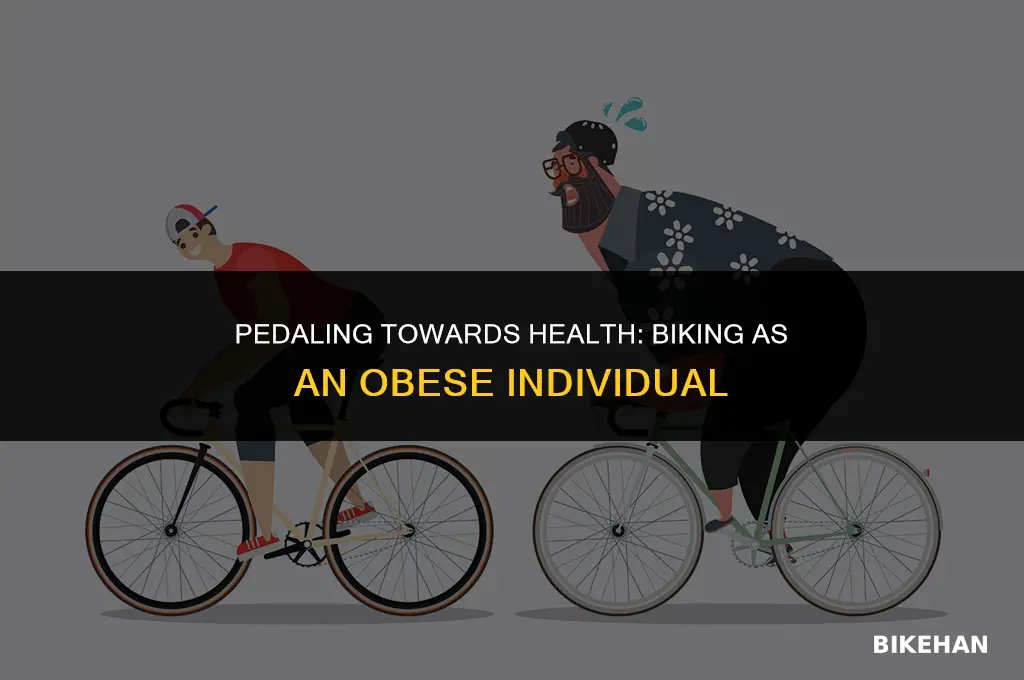
Biking as an obese individual is a topic that requires careful consideration of both physical health and equipment suitability. For those who are overweight or obese, cycling can be a challenging yet rewarding form of exercise. It offers a low-impact cardiovascular workout that can help with weight loss, improve heart health, and increase overall fitness levels. However, it's essential to approach this activity with caution, as the added weight can put extra strain on the joints, particularly the knees and ankles. Additionally, finding a bicycle that can safely and comfortably accommodate an obese rider is crucial. Bikes with reinforced frames, wider tires, and adjustable seats can make the experience more enjoyable and reduce the risk of injury. It's also advisable for obese cyclists to consult with a healthcare professional before starting a new exercise regimen and to gradually build up their endurance and strength. With the right equipment and mindset, biking can be a fun and effective way for obese individuals to improve their health and well-being.
Explore related products


What You'll Learn
- Health Benefits: Cycling can improve cardiovascular health, reduce joint strain, and increase mobility for obese individuals
- Equipment Considerations: Choosing the right bike, such as a sturdy frame and wide tires, is crucial for safety and comfort
- Starting Slow: Beginners should start with short, manageable rides and gradually increase distance and intensity
- Nutrition and Weight Loss: Biking can aid in weight loss when combined with a balanced diet and regular exercise routine
- Community and Support: Joining cycling groups or online forums can provide motivation, tips, and a supportive community for obese cyclists

Health Benefits: Cycling can improve cardiovascular health, reduce joint strain, and increase mobility for obese individuals
Cycling offers numerous health benefits, particularly for individuals who are obese. One of the most significant advantages is its positive impact on cardiovascular health. Regular cycling can help improve heart function, increase blood circulation, and lower blood pressure, all of which are crucial for maintaining a healthy cardiovascular system. This is especially important for obese individuals, who are at a higher risk of developing heart disease and other cardiovascular conditions.
In addition to its cardiovascular benefits, cycling is also an excellent way to reduce joint strain. Unlike high-impact exercises like running, cycling is a low-impact activity that puts minimal stress on the joints. This makes it an ideal form of exercise for obese individuals, who may have joint pain or discomfort due to their weight. Cycling can help strengthen the muscles around the joints, providing better support and reducing the risk of injury.
Another key benefit of cycling for obese individuals is its ability to increase mobility. As body weight increases, mobility can become more challenging, making it difficult to perform everyday tasks. Cycling can help improve overall fitness levels, build muscle strength, and increase flexibility, all of which contribute to better mobility. This can lead to a more active lifestyle and improved quality of life for obese individuals.
When starting a cycling routine, it's important for obese individuals to begin slowly and gradually increase their intensity and duration. This will help prevent injury and ensure that the body has time to adapt to the new form of exercise. It's also essential to choose the right equipment, such as a comfortable and supportive bike seat, and to wear appropriate clothing and safety gear.
In conclusion, cycling is a highly beneficial form of exercise for obese individuals, offering a range of health benefits including improved cardiovascular health, reduced joint strain, and increased mobility. By starting slowly and choosing the right equipment, obese individuals can safely and effectively incorporate cycling into their fitness routine, leading to a healthier and more active lifestyle.
Reviving Your Ride: Biking After Knee Replacement Surgery
You may want to see also
Explore related products


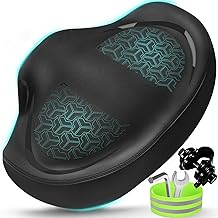

Equipment Considerations: Choosing the right bike, such as a sturdy frame and wide tires, is crucial for safety and comfort
For individuals who are obese and considering cycling, choosing the right equipment is paramount to ensure both safety and comfort. A sturdy bike frame is essential to support the additional weight, and wide tires can provide better stability and a smoother ride. It's also important to consider the bike's braking system, as more robust brakes may be necessary for heavier riders.
When selecting a bike, it's crucial to focus on the frame material and construction. Steel frames are often recommended for their strength and durability, while aluminum frames can be lighter but may not be as sturdy. Carbon fiber frames are typically too delicate for heavier riders. The frame geometry should also be considered, with a longer wheelbase providing more stability.
In addition to the frame, the wheels and tires play a significant role in the cycling experience. Wider tires, such as those with a width of 2.0 inches or more, can offer better traction and a more comfortable ride. It's also important to ensure that the wheels are properly aligned and that the tires are inflated to the correct pressure to prevent punctures and improve handling.
The braking system is another critical component. Disc brakes are often preferred by heavier riders as they provide more stopping power and are less likely to overheat on long descents. Rim brakes, while lighter, may not be as effective for heavier riders, especially in wet conditions.
Finally, it's important to consider the bike's overall fit and comfort. A properly fitted bike can help prevent injuries and make cycling more enjoyable. This includes adjusting the seat height and position, handlebar height and reach, and ensuring that the pedals are at a comfortable distance from the rider.
In conclusion, when it comes to cycling as an obese individual, investing in the right equipment is crucial. A sturdy frame, wide tires, robust brakes, and a comfortable fit can all contribute to a safer and more enjoyable cycling experience. By taking the time to select the appropriate bike and components, heavier riders can enjoy the benefits of cycling while minimizing the risks of injury or discomfort.
Exploring Kyushu: A Cyclist's Guide to Japan's Southern Gem
You may want to see also
Explore related products


Starting Slow: Beginners should start with short, manageable rides and gradually increase distance and intensity
Embarking on a cycling journey as a beginner, especially when dealing with obesity, requires a thoughtful and gradual approach. It's essential to start with short, manageable rides to build both physical endurance and mental confidence. This initial phase is not just about physical exertion but also about getting accustomed to the bike, understanding your body's responses, and identifying any potential discomforts or issues.
Gradually increasing the distance and intensity of your rides is crucial for several reasons. Firstly, it allows your body to adapt to the new physical demands, reducing the risk of injury or strain. Secondly, it helps in building cardiovascular fitness, which is particularly important for individuals with obesity as it can improve heart health and overall stamina. Lastly, a progressive approach ensures that you don't become overwhelmed or discouraged, which can be common if you try to do too much too soon.
To effectively start slow, consider the following steps: Begin with short rides of 10-15 minutes and gradually increase the duration by 5-10 minutes each week. Pay attention to your breathing and heart rate, ensuring that you're not pushing yourself too hard. As you become more comfortable, you can start to incorporate gentle inclines or longer distances. It's also beneficial to alternate between cycling and other low-impact exercises, such as walking or swimming, to give your body a chance to recover and strengthen.
Remember, the key is patience and consistency. It's not about how fast you can go or how far you can ride initially, but about building a sustainable habit that will benefit your health in the long run. Celebrate small victories, like completing a longer ride or tackling a steeper hill, and use them as motivation to continue progressing.
In summary, starting slow and gradually increasing the intensity and distance of your bike rides is a strategic approach for beginners, especially those dealing with obesity. It minimizes the risk of injury, builds cardiovascular fitness, and fosters a sustainable and enjoyable cycling habit. By focusing on gradual progress and listening to your body, you can embark on a successful and rewarding cycling journey.
Exploring Del Valle Lake Trail: A Cyclist's Guide
You may want to see also
Explore related products


Nutrition and Weight Loss: Biking can aid in weight loss when combined with a balanced diet and regular exercise routine
Biking is not only a fun and engaging form of exercise, but it can also be a powerful tool in achieving weight loss goals, especially when combined with a balanced diet and regular exercise routine. For individuals who are obese, incorporating biking into their fitness regimen can provide numerous benefits, including improved cardiovascular health, increased muscle strength, and enhanced mental well-being. However, it's essential to approach weight loss through biking in a safe and sustainable manner.
To maximize the weight loss benefits of biking, it's crucial to maintain a balanced diet that supports your exercise efforts. Focus on consuming nutrient-dense foods, such as fruits, vegetables, lean proteins, and whole grains, while limiting your intake of processed and high-calorie foods. Additionally, staying hydrated and getting adequate sleep are essential for supporting your body's weight loss and recovery processes.
When it comes to biking for weight loss, consistency is key. Aim to bike for at least 30 minutes per day, five days a week, to see noticeable results. As your fitness level improves, you can gradually increase the duration and intensity of your bike rides to challenge your body and boost your weight loss efforts. Incorporating interval training, where you alternate between periods of high-intensity biking and recovery, can also be an effective way to maximize your workout and burn more calories.
It's important to note that biking alone may not be sufficient for significant weight loss, especially for individuals who are obese. A comprehensive approach that includes a balanced diet, regular exercise, and lifestyle modifications is necessary for achieving and maintaining weight loss results. Consulting with a healthcare professional or a registered dietitian can provide personalized guidance and support to help you reach your weight loss goals safely and effectively.
In conclusion, biking can be a valuable addition to a weight loss regimen, offering numerous physical and mental health benefits. By combining regular biking with a balanced diet and a consistent exercise routine, individuals who are obese can take steps towards achieving their weight loss goals and improving their overall well-being. Remember to approach weight loss through biking in a safe and sustainable manner, and seek professional guidance when needed to ensure the best possible outcomes.
Exploring Mirror Lake: A Cyclist's Guide to Scenic Routes and Hidden Gems
You may want to see also
Explore related products


Community and Support: Joining cycling groups or online forums can provide motivation, tips, and a supportive community for obese cyclists
Joining cycling groups or online forums can be a game-changer for obese individuals looking to start or continue biking. These communities offer a wealth of knowledge, support, and motivation that can help overcome the unique challenges faced by larger cyclists. Members often share their personal experiences, providing valuable insights into everything from bike selection and fitting to clothing choices and nutrition tips.
One of the key benefits of these groups is the sense of camaraderie and encouragement they foster. Cycling can be a solitary activity, but being part of a community can make it feel less isolating. Members can share their progress, celebrate each other's successes, and offer support during setbacks. This emotional backing can be especially important for obese cyclists, who may face additional physical and mental hurdles in their biking journey.
Online forums, in particular, can be a great resource for those who may not have local cycling groups or who prefer the anonymity of the internet. These platforms allow users to connect with others from around the world, access a vast archive of information, and participate in discussions at any time of day. Many forums also have specific sections dedicated to topics like weight loss, bike modifications, and plus-size cycling gear, making it easy to find relevant information and advice.
In addition to the social and informational benefits, being part of a cycling community can also provide opportunities for group rides, events, and challenges. These activities can help obese cyclists build their skills, confidence, and endurance in a supportive environment. Group rides, for example, can offer a chance to learn from more experienced cyclists, while events and challenges can provide a fun and motivating way to track progress and set goals.
Overall, joining cycling groups or online forums can be a valuable tool for obese individuals looking to enhance their biking experience. These communities offer a unique blend of support, knowledge, and motivation that can help members overcome obstacles, achieve their goals, and enjoy the many benefits of cycling.
Exploring Lake Arrowhead: A Cyclist's Guide to Scenic Routes
You may want to see also
Frequently asked questions
Yes, you can bike as an obese person. Cycling is a low-impact exercise that can be enjoyed by people of all sizes. It's important to start slowly and gradually increase your distance and intensity as your fitness improves.
Biking offers numerous benefits for obese individuals, including improved cardiovascular health, increased muscle strength, better joint mobility, and weight loss. It's also a fun and enjoyable way to get exercise.
Obese individuals should take some precautions when biking, such as:
- Starting slowly and gradually increasing distance and intensity
- Using a properly fitted bike to ensure comfort and safety
- Wearing appropriate clothing and protective gear
- Staying hydrated and taking breaks as needed
Obese individuals can find a comfortable biking position by:
- Adjusting the seat height and angle to reduce pressure on the lower back
- Using a wider seat for better support
- Positioning the handlebars at a comfortable height and distance
- Experimenting with different riding positions to find what feels best
Yes, there are some types of bikes that are better suited for obese individuals, such as:
- Bikes with wider seats and more supportive frames
- Bikes with lower standover heights for easier mounting and dismounting
- Electric bikes that provide additional assistance for climbing hills or longer distances
- Recumbent bikes that offer a more reclined riding position