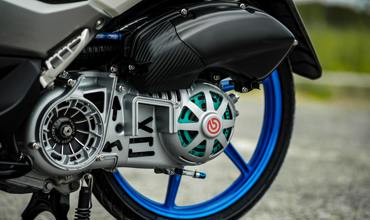
Alignment
Regularly check and adjust wheel alignment to ensure your vehicle handles correctly and tires wear evenly, prolonging their lifespan.
Wheels are circular components that enable vehicles to move efficiently. They are fundamental to transportation, facilitating the smooth motion of cars, bicycles, motorcycles, and more. With a variety of wheel types available, there is a specific design suited to every vehicle and performance requirement.
Common wheel types include steel, alloy, and carbon fiber. Each material offers distinct advantages in terms of strength, weight, and aesthetics. Additionally, wheels come in various sizes, rim designs, and spoke patterns, catering to different vehicle applications and performance goals.

Proper wheel care is essential for maintaining optimal vehicle performance and safety. Here are some key aspects to consider:
Regularly check and adjust wheel alignment to ensure your vehicle handles correctly and tires wear evenly, prolonging their lifespan.

Maintain proper tire inflation to optimize fuel efficiency, handling, and tire longevity. Check pressure regularly and adjust as needed.

Keep your wheels clean and free from brake dust and road grime. Regular cleaning and maintenance not only enhance appearance but also help prevent corrosion.
Wheels can be customized to enhance the appearance and performance of your vehicle. Here are some aspects to consider when personalizing your wheels:
Choose from a variety of colors and finishes, such as chrome, matte, or gloss, to personalize the look of your wheels and make a statement.
Altering wheel size and width can impact vehicle performance, handling, and appearance. Consult a professional to ensure safe and suitable modifications.
Spoke patterns influence wheel strength, weight, and aesthetics. Custom spoke designs can add a unique touch to your vehicle's overall look.
Consider modular wheels that allow for customizable barrel and face combinations, offering flexibility in width, offset, and aesthetics.
Apply protective coatings to your wheels to shield them from the elements, brake dust, and road debris, keeping them looking their best.
Opt for lightweight materials like carbon fiber or forged alloys to reduce unsprung weight, improving acceleration, handling, and fuel efficiency.
Consider upgrading to performance tires for improved grip and handling, especially if you participate in motorsports or track days.
Wheel spacers can be used to adjust wheel offset, improving handling and achieving a more aggressive stance for your vehicle.
Add wheel locks or locking lug nuts for added security, deterring theft and ensuring your wheels remain safely attached to your vehicle.




Upgrading your wheels can offer a range of advantages, both in terms of performance and aesthetics. Here are some key benefits to consider:
| Benefit | Description |
|---|---|
| Improved Handling | Lighter and stronger wheels can enhance vehicle handling, providing a more responsive and precise driving experience. |
| Performance Gains | Reducing unsprung weight with lightweight wheels can lead to improved acceleration, braking, and overall vehicle performance. |
| Aesthetic Appeal | Custom wheels can dramatically enhance the appearance of your vehicle, allowing you to personalize and showcase your unique style. |
| Tire Options | Upgrading your wheels may open up a wider range of tire options, allowing you to choose from high-performance or specialized tires. |
| Resale Value | High-quality wheel upgrades can increase the resale value of your vehicle, making it more desirable to potential buyers. |
| Comfort & Ride Quality | Better-quality wheels can improve ride quality and reduce road noise, providing a more comfortable driving experience. |
Upgrading your wheels can be a rewarding investment, enhancing both the performance and visual appeal of your vehicle.