
Cushioning
Choose seats with adequate cushioning to absorb vibrations and provide comfort. Foam density and thickness play a key role in determining the level of cushioning.
Seats are an essential component of a motorcycle, providing comfort, support, and control. With a wide range of styles and materials available, there's a seat to suit every rider's preferences and riding style.
Popular types include standard seats, dual-sport seats, custom seats, and racing seats. Each design offers distinct advantages in terms of ergonomics, cushioning, and aesthetics to cater to different riding needs.

A comfortable and supportive seat is crucial for an enjoyable riding experience. Factors such as cushioning, ergonomics, and materials play a vital role in ensuring rider comfort and reducing fatigue during long rides.
Choose seats with adequate cushioning to absorb vibrations and provide comfort. Foam density and thickness play a key role in determining the level of cushioning.
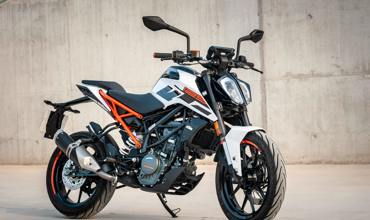
Ergonomic seats are designed to support the rider's body, reducing pressure points and improving blood circulation. Look for features like contours and lumbar support.
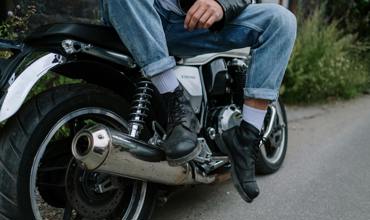
Seat materials range from leather to synthetic fabrics. Consider factors like breathability, durability, and ease of maintenance when selecting seat materials.
Motorcycle seats come in a variety of styles, from sleek and sporty designs to custom creations. Customization allows riders to personalize their seats for enhanced comfort and style.
Sport bike seats are designed for performance riding, featuring slim profiles, aggressive ergonomics, and grippy materials for better control.
Custom seats offer unique styles, colors, and embroidery to reflect your personality. They can also be tailored to your body for a perfect fit.
Touring seats are built for long-distance comfort, featuring wider seating areas, plush cushioning, and ergonomic designs to reduce fatigue on extended rides.
Some seats offer height adjustment mechanisms, allowing riders to find the optimal seating position for better control and comfort.
Heated seats are a welcome feature in cold climates, providing warmth and comfort during winter rides. They improve overall riding enjoyment.
Seats with built-in airflow channels or perforations improve ventilation, keeping the rider cool and comfortable, especially during hot weather rides.
Regularly clean your seat with mild soap and water to remove dirt and grime. Avoid harsh chemicals that may damage the seat material.
Condition leather seats periodically to maintain their suppleness and prevent cracking. Use leather-specific conditioners and follow manufacturer instructions.
Inspect your seat for any signs of wear and tear, such as loose stitching or foam deterioration. Address any issues promptly to ensure riding comfort and safety.




Installing a new seat or making adjustments to your existing seat can enhance your riding experience. Here are some key considerations for seat installation and safety:
| Factor | Description |
|---|---|
| Compatibility | Ensure that the seat you choose is compatible with your motorcycle's make and model. Refer to manufacturer guidelines for recommended seat types and sizes. |
| Secure Mounting | Properly secure the seat to the motorcycle frame using the correct hardware. Follow installation instructions provided by the seat manufacturer. |
| Safety Features | Look for seats with safety features like anti-slip surfaces, grippy materials, or built-in backrests to enhance rider stability and control. |
| Passenger Considerations | If you plan to carry passengers, opt for seats designed for two-up riding, ensuring sufficient space and comfort for both rider and passenger. |
| Regular Inspections | Inspect your seat periodically for any signs of wear, loose bolts, or damage. Address any issues promptly to maintain safety and comfort. |
A well-installed and properly maintained seat contributes to a safer and more enjoyable riding experience. Always prioritize safety and follow manufacturer guidelines when installing or modifying your motorcycle seat.