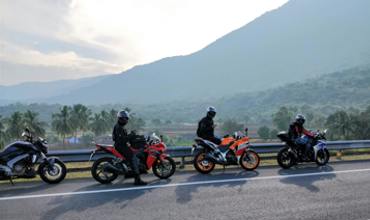
Mountain Bike Types
Choose the right bike type based on your riding style and terrain. Full suspension or hardtail, wheel size, and frame material are key considerations.
Mountain biking is an adventurous activity that offers an exhilarating way to explore nature. With a variety of disciplines, there's a style for every rider.
Popular types include cross-country, downhill, enduro, and freeride. Each discipline offers unique challenges, requiring different skill sets and bike specifications.
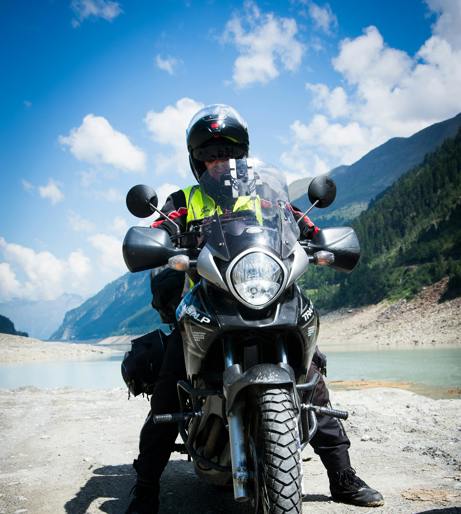
Mountain biking requires the right gear and knowledge to ensure a safe and enjoyable experience. From bikes to protective gear, here's what you need.
Choose the right bike type based on your riding style and terrain. Full suspension or hardtail, wheel size, and frame material are key considerations.
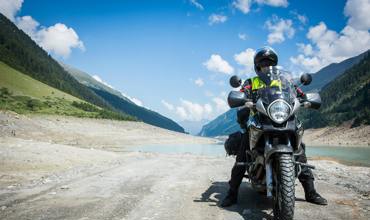
Always wear a helmet, and consider additional protection like knee pads, elbow pads, and gloves to safeguard against falls and debris.
Basic tools like a pump, tire levers, a multi-tool, and a first aid kit are essential for on-the-go repairs and ensuring your bike is ride-ready.
Mastering essential mountain biking techniques will improve your riding experience and confidence. Here are some key skills to practice.
Maintain a balanced and dynamic stance, with a slight bend in the elbows and knees, to absorb bumps and easily shift your weight.
Learn to feather your brakes for controlled descents. Apply both brakes smoothly and evenly to avoid skidding or losing control.
Master the art of cornering by looking ahead, leaning the bike, and weighting the outside pedal for stable and fast turns.
Improve your climbing technique by adjusting your seat height, maintaining a steady cadence, and using your body weight efficiently.
Develop control and confidence when descending. Maintain a relaxed posture, use your brakes effectively, and look ahead to anticipate obstacles.
Practice navigating rocks, roots, and drops. Learn to lift your front wheel, shift your weight, and choose the best line to smoothly clear obstacles.
Practice makes perfect. Improve your skills by riding regularly and challenging yourself on varied terrain.
Learn from experienced riders. Join group rides or seek guidance from skilled friends to pick up new techniques and tips.
Invest in quality gear. A well-fitting helmet, comfortable riding attire, and durable bike components are worth the investment.

Whether you're a beginner or an experienced rider, focusing on these fundamental elements will enhance your mountain biking experience and performance.
| Element | Description |
|---|---|
| Fitness & Endurance | Build your cardiovascular fitness and leg strength to handle varied terrain and extended rides. |
| Technique | Master essential skills like body positioning, braking, cornering, and obstacle handling to navigate trails with control and efficiency. |
| Bike Setup | Ensure your bike is properly fitted to your body and the terrain. Adjust seat height, handlebar position, and suspension settings accordingly. |
| Trail Etiquette | Respect other riders and the environment. Follow trail rules, yield when necessary, and leave no trace. |
| Safety | Always prioritize safety. Wear protective gear, carry essential tools, and be prepared for varying trail conditions. |
| Practice & Progression | Mountain biking is a continuous learning journey. Practice regularly, challenge yourself, and seek opportunities to improve. |
With a combination of physical fitness, technical skills, and a passion for the outdoors, mountain biking can become a lifelong adventure.