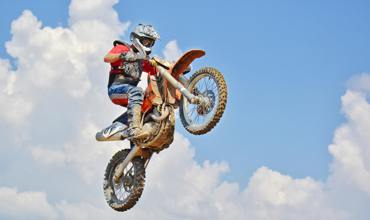
Throttle
Smooth throttle control is essential for managing acceleration and maintaining traction. Practice gradual inputs to perfect your technique.
Motorcycles offer an exhilarating riding experience, combining speed, agility, and style. With a wide range of models, there's a perfect bike for every rider.
Popular types include cruisers, sportbikes, dual-sports, scooters, and touring bikes. Each class offers unique features, performance, and riding postures.
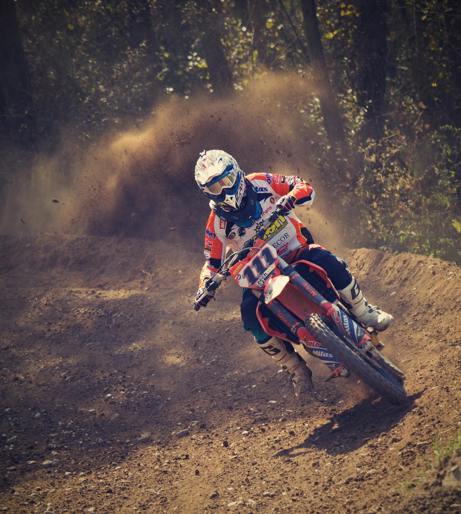
Mastering the art of riding starts with the basics. Understanding throttle control, braking, and cornering techniques are key to a safe and enjoyable experience.
Smooth throttle control is essential for managing acceleration and maintaining traction. Practice gradual inputs to perfect your technique.
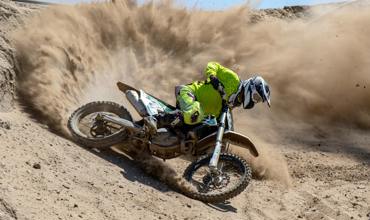
Learn proper braking techniques, including threshold braking and trail braking, to maximize stopping power and maintain stability.
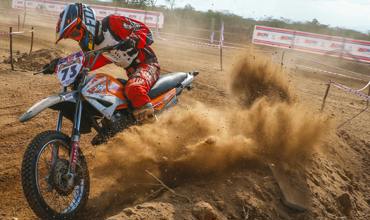
Master the art of cornering by understanding body positioning, throttle control, and braking points to confidently navigate turns.
Enhance your riding skills with advanced techniques to become a more confident and versatile motorcyclist.
Perfect your body positioning to enhance control and stability. Learn how to use body weight to improve cornering and braking.
Practice emergency stops, swerving, and accident avoidance techniques to prepare for unexpected situations on the road.
Understand the unique challenges of high-speed riding, including aerodynamics, stability, and braking distances at higher velocities.
Learn hand signals, formation techniques, and communication methods for a safe and enjoyable group riding experience.
Prepare for riding in rain, wind, or low-traction conditions. Learn techniques to maintain control and visibility in challenging weather.
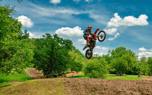
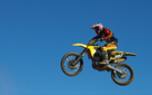
Explore off-road riding techniques, including standing positions, weight distribution, and navigating rough terrain.
Regular oil changes are crucial to keep your motorcycle's engine in top condition.
Consider upgrading your exhaust system for improved performance and a more distinctive sound.
Invest in high-quality tires to enhance grip, handling, and overall riding experience.


Whether you're a novice or experienced rider, focusing on these fundamental safety practices will help ensure a safe and enjoyable riding experience.
| Element | Description |
|---|---|
| Gear | Always wear a DOT-approved helmet, protective riding gear, including a jacket, gloves, pants, and boots, to minimize injury in case of a fall. |
| Visibility | Make yourself visible to other motorists. Use reflective gear, headlights, and hand signals to ensure others can see you. |
| Road Awareness | Stay alert and anticipate potential hazards. Be mindful of road conditions, traffic patterns, and potential blind spots. |
| Road Rules | Obey traffic laws, speed limits, and lane discipline. Signal your intentions and respect the rights of other road users. |
| Maintenance | Perform regular motorcycle maintenance to ensure your bike is in optimal condition. Check tires, brakes, lights, and fluid levels before each ride. |
| Skills Development | Continuously improve your riding skills by practicing, taking advanced riding courses, and staying up-to-date with the latest techniques. |
Riding a motorcycle is a thrilling experience, but safety should always come first. By prioritizing safety, you can enjoy the freedom of the open road with confidence.