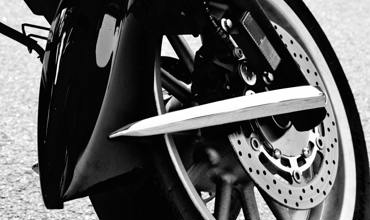
Brake Pads
Inspect your brake pads regularly for wear and tear. Replace them when they reach the minimum thickness to ensure optimal braking performance.
Brakes are essential for controlling your motorcycle's speed and bringing it to a safe stop. There are two main types of brakes: disc brakes and drum brakes.
Disc brakes use a caliper to apply pressure to a rotor, while drum brakes use shoes to press against a drum. Both types are effective, but disc brakes offer stronger stopping power and are more common on modern motorcycles.
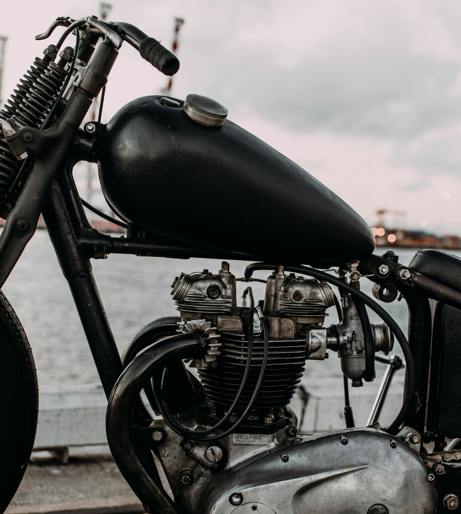
Proper brake maintenance is crucial for your safety and the longevity of your motorcycle's brake system. Here are some key aspects to consider:
Inspect your brake pads regularly for wear and tear. Replace them when they reach the minimum thickness to ensure optimal braking performance.
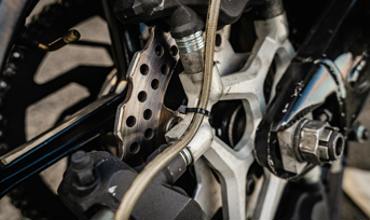
Check your brake fluid level and condition regularly. Contaminated or low brake fluid can compromise braking performance and safety.
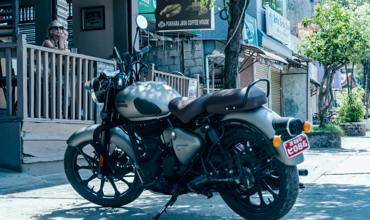
Inspect your brake rotors for cracks, grooves, or warping. Replace them if necessary to maintain effective braking and prevent vibration.
Upgrading your brake system can enhance your motorcycle's performance and safety. Here are some common modifications to consider:
Performance brake pads offer improved stopping power and heat resistance. Choose compounds based on your riding style and needs.
Stainless steel braided brake lines provide improved brake feel and response compared to rubber lines.
Upgraded brake calipers offer improved clamping force and heat dissipation for more powerful and consistent braking.
Consider upgrading to slotted or drilled brake rotors for better heat dissipation, improved wet weather performance, and a more aggressive look.
High-performance brake fluids have higher boiling points, which is crucial for maintaining brake effectiveness under heavy braking and high temperatures.
Anti-lock braking systems (ABS) prevent wheel lock-up during hard braking, improving safety and control. They are especially beneficial in slippery conditions.
Squealing or squeaking brakes are often due to worn-out brake pads. Replace them promptly to restore quiet and effective braking.
A soft or spongy brake lever could indicate air in the brake lines or a problem with the master cylinder. Bleed your brakes or seek professional assistance.
If your brake pads are wearing out unevenly, it could be due to a stuck piston or caliper. Have your brake system inspected and serviced.




Understanding how your brake system works and the factors affecting its performance will help you make informed decisions about maintenance and upgrades.
| Factor | Description |
|---|---|
| Brake Fade | Brake fade occurs when brakes lose effectiveness due to overheating. It's common during aggressive riding or downhill descents. Performance pads and fluids help mitigate this issue. |
| Brake Drag | Brake drag occurs when the brake pads or shoes drag against the rotor or drum, causing reduced performance and increased wear. Ensure proper brake adjustment and maintenance. |
| Brake Balance | Brake balance refers to the distribution of braking force between the front and rear brakes. Adjusting brake pad friction or master cylinder size can help fine-tune brake balance. |
| Brake Modulation | Brake modulation refers to the control and precision of brake application. It's crucial for maintaining stability and avoiding skidding. Practice smooth and progressive brake application. |
Understanding these aspects of brake performance will help you get the most out of your motorcycle's brake system and improve your overall riding experience.