Eric Johnson
When it comes to cycling, speed is often a key consideration for enthusiasts and competitive riders alike. One of the most common questions asked by cyclists looking to improve their performance is, Which gears make a bike go faster? The answer to this question lies in understanding the relationship between gear ratios, cadence, and power output. In general, a higher gear ratio—meaning a larger front chainring paired with a smaller rear cog—will allow a cyclist to travel faster at a given cadence. However, this comes with the trade-off that higher gears require more power to pedal effectively, which can be challenging on climbs or when accelerating from a stop. Conversely, lower gear ratios—with smaller front chainrings and larger rear cogs—are better suited for climbing and accelerating, as they allow for easier pedaling at lower speeds. Ultimately, the optimal gear for speed will depend on the rider's individual strengths, the terrain, and the specific cycling discipline.
Explore related products


What You'll Learn
- Gear Ratios: Understanding how different gear ratios affect bike speed and efficiency
- Cadence: The optimal pedaling speed for maintaining momentum and maximizing speed
- Chainrings: The role of front chainrings in determining bike speed and gear range
- Cassettes: How the rear cassette influences speed, with larger cogs providing lower gears
- Shifting Techniques: Effective gear shifting strategies to maintain speed and conserve energy during rides

Gear Ratios: Understanding how different gear ratios affect bike speed and efficiency
Gear ratios play a crucial role in determining a bicycle's speed and efficiency. A gear ratio is the relationship between the number of teeth on the front chainring and the number of teeth on the rear cog. A higher gear ratio, achieved by using a larger front chainring or a smaller rear cog, allows for faster speeds but requires more effort to pedal. Conversely, a lower gear ratio, achieved by using a smaller front chainring or a larger rear cog, provides easier pedaling but results in slower speeds.
Understanding gear ratios is essential for optimizing a bike's performance for different terrains and riding conditions. For instance, when riding uphill, a lower gear ratio can help maintain a steady cadence and conserve energy. On flat or downhill sections, a higher gear ratio can be used to achieve faster speeds with less pedaling effort.
The efficiency of a gear ratio also depends on the rider's cadence and power output. A gear ratio that allows the rider to maintain a high cadence without straining can improve overall efficiency and reduce fatigue. Additionally, the mechanical efficiency of the drivetrain, including factors such as chain tension and lubrication, can impact the effectiveness of different gear ratios.
In practice, cyclists often experiment with different gear ratios to find the optimal setup for their riding style and the specific demands of their routes. This may involve adjusting the front chainring or rear cog to achieve the desired balance between speed and pedaling effort. By understanding how gear ratios affect bike speed and efficiency, riders can make informed decisions to enhance their cycling experience and performance.
Exploring the Origins: Where Are Trek Bikes Manufactured?
You may want to see also
Explore related products


Cadence: The optimal pedaling speed for maintaining momentum and maximizing speed
Cadence is a critical factor in cycling efficiency and speed. It refers to the rate at which a cyclist pedals, measured in revolutions per minute (RPM). The optimal cadence varies depending on the rider's fitness level, the terrain, and the desired speed. Generally, a cadence of 80-100 RPM is considered ideal for most cyclists, as it allows for efficient energy transfer and minimizes fatigue.
To maintain momentum and maximize speed, cyclists should aim to pedal smoothly and consistently, avoiding sudden changes in cadence. This can be achieved by focusing on a steady rhythm and using the legs to drive the pedals, rather than relying on the arms. Additionally, cyclists should pay attention to their gear selection, as this can significantly impact their cadence and overall speed.
For example, when climbing a hill, a cyclist may need to shift to a lower gear to maintain a comfortable cadence. Conversely, when descending or riding on flat terrain, a higher gear may be more appropriate. By adjusting their gear selection and pedaling technique, cyclists can optimize their cadence and achieve greater speeds with less effort.
It's also important to note that cadence can be influenced by external factors, such as wind resistance and road conditions. Cyclists should be aware of these factors and adjust their pedaling accordingly to maintain their desired speed. Additionally, regular training and practice can help cyclists develop a more efficient pedaling technique and improve their overall cadence.
In conclusion, cadence is a key component of cycling performance. By understanding the optimal pedaling speed and adjusting their technique and gear selection accordingly, cyclists can maximize their speed and efficiency on the bike.
Revolutionizing Transportation: GT's Inaugural Bike Launch
You may want to see also
Explore related products


Chainrings: The role of front chainrings in determining bike speed and gear range
The front chainrings on a bicycle play a crucial role in determining both the speed and the gear range of the bike. By understanding how chainrings affect these aspects, cyclists can optimize their bike setup for better performance.
Firstly, the size of the front chainrings directly impacts the bike's speed. Larger chainrings allow for a greater distance to be traveled with each pedal stroke, resulting in higher speeds. Conversely, smaller chainrings are better suited for climbing or riding in hilly terrain, as they provide a lower gear ratio that makes it easier to pedal uphill.
In addition to speed, the gear range is also influenced by the front chainrings. A bike with multiple chainrings can offer a wider gear range, allowing the rider to adjust their pedaling resistance according to the terrain and their fitness level. This is particularly important for road cyclists who need to maintain a consistent cadence over varying inclines.
When choosing the right chainrings for a bike, it's essential to consider the rider's goals and the type of terrain they will be riding on. For example, a competitive road cyclist may opt for larger chainrings to maximize speed on flat sections, while a mountain biker might prefer smaller chainrings for better control and power on steep climbs.
In conclusion, the front chainrings are a critical component in determining a bike's speed and gear range. By selecting the appropriate chainring size and configuration, cyclists can tailor their bike to suit their specific needs and riding style, ultimately enhancing their overall performance and enjoyment on the bike.
Pedaling Through History: The Surprising Story of JCPenney's Bicycle Venture
You may want to see also
Explore related products


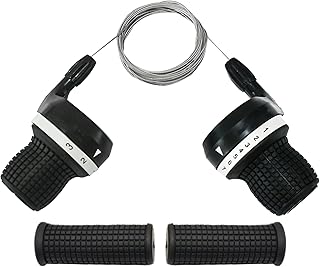
Cassettes: How the rear cassette influences speed, with larger cogs providing lower gears
The rear cassette of a bicycle is a crucial component in determining the bike's speed and efficiency. It consists of a series of cogs, each with a different number of teeth, that work in conjunction with the chain to transfer power from the pedals to the rear wheel. The size of the cogs directly affects the gear ratio, which in turn influences the speed at which the bike can travel.
Larger cogs on the cassette provide lower gears, which are ideal for climbing hills or riding in challenging terrain. This is because a lower gear ratio allows the rider to pedal at a slower cadence while still maintaining a reasonable speed. On the other hand, smaller cogs offer higher gears, which are better suited for flat or downhill riding where speed is the primary objective. By shifting to a higher gear, the rider can increase their cadence and take advantage of the bike's momentum to achieve faster speeds.
The choice of cassette and cog size depends on various factors, including the rider's skill level, the type of riding they plan to do, and the terrain they will be navigating. For example, a beginner rider may benefit from a cassette with a wider range of gears to accommodate different riding conditions, while an experienced cyclist may prefer a more specialized setup tailored to their specific needs.
In addition to the cassette, other components such as the chainrings and derailleurs also play a role in determining the bike's gear range and shifting performance. However, the rear cassette is often the most critical factor in achieving the desired speed and efficiency, as it directly affects the gear ratio and the rider's ability to maintain a consistent cadence.
To optimize their bike's performance, riders should consider the following tips when selecting a rear cassette:
- Choose a cassette with a gear range that matches the rider's intended use and terrain.
- Consider the rider's skill level and experience when selecting cog sizes.
- Ensure that the cassette is compatible with the bike's drivetrain and other components.
- Regularly maintain and clean the cassette to ensure smooth shifting and optimal performance.
By understanding the role of the rear cassette in influencing speed and gear ratios, riders can make informed decisions about their bike's setup and maximize their performance on the road or trail.
Revving Up Profits: The Most Lucrative Biker Business Ventures
You may want to see also
Explore related products

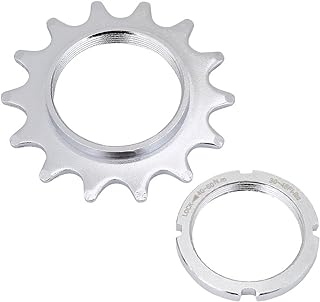


Shifting Techniques: Effective gear shifting strategies to maintain speed and conserve energy during rides
To maintain speed and conserve energy during rides, cyclists must master the art of effective gear shifting. This involves understanding when to shift gears, how to shift smoothly, and which gears to use in different situations. By employing proper shifting techniques, cyclists can optimize their performance, reduce fatigue, and enhance their overall riding experience.
One key strategy is to anticipate changes in terrain and adjust gears accordingly. For example, when approaching a hill, it's essential to downshift to a lower gear before the incline begins. This allows the cyclist to maintain a consistent cadence and avoid struggling to pedal uphill. Similarly, when descending, upshifting to a higher gear can help maintain speed without requiring excessive pedaling.
Smooth gear shifting is also crucial for conserving energy. Jerky or abrupt shifts can cause the cyclist to lose momentum and expend unnecessary energy. To shift smoothly, cyclists should apply gentle pressure to the gear shifters and avoid making sudden movements. Additionally, it's important to shift gears while pedaling lightly, as this reduces the stress on the chain and derailleurs.
Another effective gear shifting strategy is to use the entire range of gears available. Many cyclists tend to favor a few gears and neglect others, which can lead to inefficient pedaling and increased fatigue. By utilizing the full spectrum of gears, cyclists can find the optimal cadence for any given situation and reduce the strain on their legs.
In conclusion, effective gear shifting techniques are essential for maintaining speed and conserving energy during rides. By anticipating terrain changes, shifting smoothly, and using the entire range of gears, cyclists can optimize their performance and enhance their riding experience.
Exploring Schwinn's Taiwanese Manufacturing Era: A Historical Overview
You may want to see also
Frequently asked questions
A higher gear ratio, where the rear sprocket is larger than the front chainring, allows for faster speeds as it enables the rider to cover more distance with each pedal stroke.
Changing gears on a bike alters the mechanical advantage, allowing the rider to pedal more efficiently at different speeds. Lower gears are better for climbing or starting from a stop, while higher gears are ideal for maintaining speed on flat terrain.
The derailleur is a mechanism that moves the chain between different sprockets on the cassette, allowing the rider to change gears and adjust the bike's speed and pedaling resistance.
The appropriate gear depends on the terrain and your desired speed. For steep climbs, use lower gears to make pedaling easier. On flat or downhill sections, shift to higher gears to increase speed while maintaining a comfortable pedaling cadence.
A single-speed bike has only one gear ratio, making it simple and low-maintenance but less versatile in varying terrain. A multi-speed bike, on the other hand, has multiple gear ratios, allowing the rider to adjust to different inclines and speeds, making it more suitable for a wider range of riding conditions.