Matthew Brooks
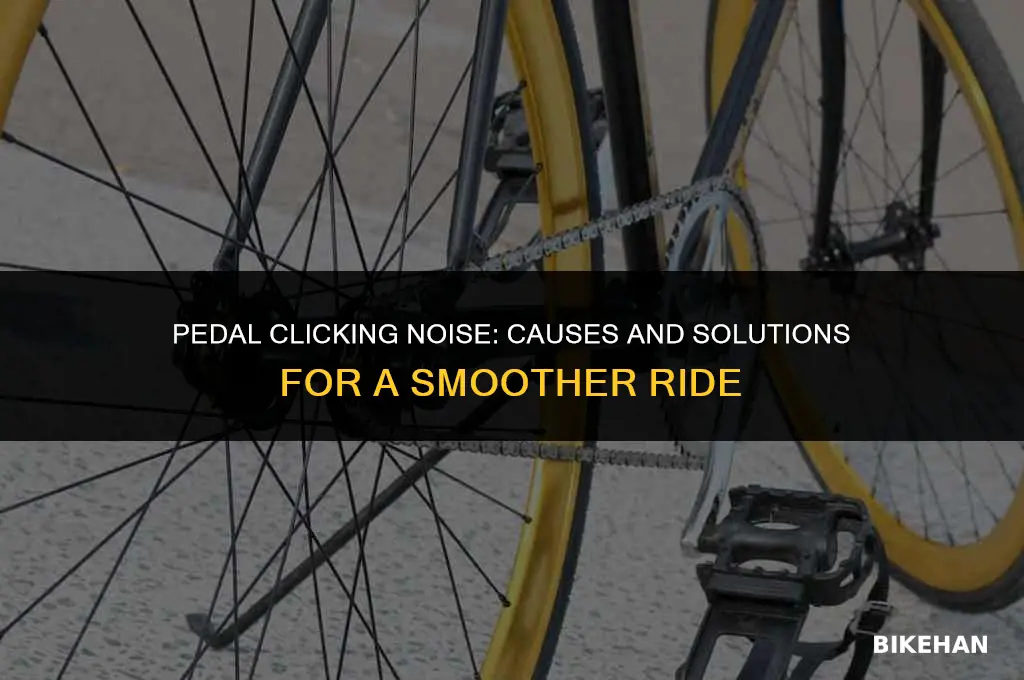
When you pedal your bike and it makes a clicking noise, it can be both an annoyance and a potential safety concern. This sound typically indicates that there's an issue with the bike's drivetrain, which is the system that transfers power from the pedals to the wheels. Common causes of a clicking noise while pedaling include a misaligned derailleur, a loose chain, or worn-out components. It's important to address this issue promptly to ensure smooth and safe riding. In this guide, we'll explore the possible reasons behind the clicking noise and provide step-by-step solutions to help you fix the problem and get back on the road with a quiet and efficient bike.
| Characteristics | Values |
|---|---|
| Noise Type | Clicking |
| Noise Location | Near Pedals |
| Noise Frequency | Intermittent |
| Noise Volume | Moderate |
| Bike Type | Road Bike |
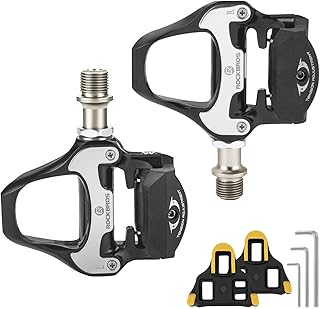
| Pedal Type | Clipless Pedals |
| Shoe Type | Cycling Shoes |
| Chain Condition | Well-Lubricated |
| Sprocket Wear | Minimal |
| Pedal Stroke | Smooth |
| Noise Cause | Possible Pedal Mechanism Issue |
| Noise Solutions | Check Pedal Attachment, Lubricate Mechanism |
Explore related products


What You'll Learn
- Chain Issues: Check for misalignment, wear, or improper lubrication of the bike chain
- Gear Problems: Ensure gears are shifting correctly and are not worn out
- Pedal Mechanism: Inspect pedals for damage and ensure they're securely attached
- Crankset: Verify crank arms are tight and the crankset is functioning smoothly
- Wheel Alignment: Confirm wheels are properly aligned and not causing the noise

Chain Issues: Check for misalignment, wear, or improper lubrication of the bike chain
A clicking noise when pedaling your bike can often be attributed to chain issues. One of the first things to check is the alignment of your bike chain. Misalignment can cause the chain to skip or catch on the sprockets, resulting in a clicking sound. To check for misalignment, visually inspect the chain as it moves around the front and rear sprockets. The chain should sit squarely on the teeth of the sprockets without hanging off to one side. If you notice any misalignment, you may need to adjust the derailleur or check the limit screws to ensure the chain is properly guided.
Wear and tear on the bike chain can also lead to clicking noises. Over time, the chain can stretch and become loose, causing it to skip over the sprocket teeth. To check for wear, you can use a chain wear indicator tool or simply measure the chain's length. If the chain is excessively stretched, it's time to replace it. Additionally, inspect the chain for any signs of rust or corrosion, as this can also contribute to clicking sounds and reduced performance.
Improper lubrication is another common cause of chain issues. A dry chain can create friction between the chain and sprockets, leading to clicking noises and increased wear. To lubricate your chain, apply a small amount of bike-specific lubricant to each roller while slowly rotating the pedals backward. Be sure to wipe off any excess lubricant to prevent dirt and grime from accumulating on the chain.
When addressing chain issues, it's important to consider the age and usage of your bike chain. If your chain is relatively new and you're still experiencing clicking noises, it may be worth checking the tension of the derailleur cable or ensuring that the limit screws are properly adjusted. On the other hand, if your chain is older or has seen significant use, it may be time to replace it to prevent further issues.
In conclusion, chain issues such as misalignment, wear, and improper lubrication can all contribute to a clicking noise when pedaling your bike. By regularly inspecting and maintaining your bike chain, you can help prevent these issues and ensure a smooth, quiet ride.
When Does It Make Sense to Buy a New Bike?
You may want to see also
Explore related products


Gear Problems: Ensure gears are shifting correctly and are not worn out
If your bike is making a clicking noise when you pedal, it could be a sign of gear problems. One common issue is that the gears may not be shifting correctly, which can cause a clicking or grinding sound. This can be due to a variety of factors, such as a misaligned derailleur, a worn-out chain, or a problem with the gear cogs themselves.
To diagnose the problem, start by checking the derailleur to ensure it is properly aligned with the gear cogs. If the derailleur is misaligned, it can cause the chain to slip off the cogs, resulting in a clicking noise. You can also check the chain for wear and tear, as a worn-out chain can cause the gears to shift improperly and make noise.
If the derailleur and chain appear to be in good condition, the problem may be with the gear cogs themselves. Over time, gear cogs can wear out and become damaged, which can cause them to make noise when the bike is in motion. In this case, you may need to replace the damaged cogs to fix the problem.
To prevent gear problems in the future, it's important to regularly maintain your bike. This includes cleaning and lubricating the chain, checking the derailleur for proper alignment, and inspecting the gear cogs for wear and tear. By keeping your bike well-maintained, you can reduce the likelihood of gear problems and ensure a smooth, quiet ride.
Pedaling Through History: The Surprising Story of JCPenney's Bicycle Venture
You may want to see also
Explore related products


Pedal Mechanism: Inspect pedals for damage and ensure they're securely attached
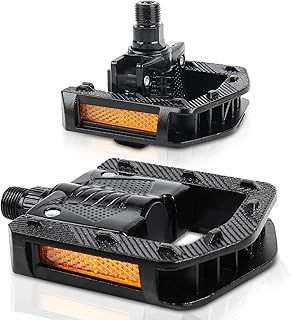
Inspecting the pedal mechanism is crucial when diagnosing a clicking noise in your bike. Start by visually examining the pedals for any signs of damage or wear. Look for cracks, chips, or any deformation that could cause a clicking sound when pedaling. If the pedals appear intact, check the attachment points to ensure they are securely fastened to the crank arms. Loose or improperly attached pedals can create a clicking noise as they move in and out of alignment with the crank.
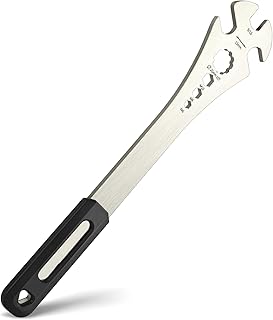
To further inspect the pedal mechanism, remove the pedals from the crank arms using a pedal wrench. Once removed, inspect the pedal threads for any signs of stripping or cross-threading. If the threads appear damaged, you may need to replace the pedals or the crank arms. Additionally, check the pedal bearings for smooth rotation and any signs of grinding or clicking. If the bearings are worn or damaged, replacing them should resolve the clicking noise.
When reattaching the pedals, ensure they are properly aligned with the crank arms and tightened to the manufacturer's recommended torque. Over-tightening or under-tightening the pedals can both cause clicking noises. It's also important to apply a small amount of grease to the pedal threads and bearings to reduce friction and prevent future issues.
In some cases, the clicking noise may be caused by a problem with the crank arms themselves. Inspect the crank arms for any signs of bending, warping, or damage. If the crank arms are damaged, they will need to be replaced. Additionally, check the bottom bracket for smooth rotation and any signs of grinding or clicking. A worn or damaged bottom bracket can also cause a clicking noise when pedaling.
By thoroughly inspecting the pedal mechanism and addressing any issues found, you should be able to resolve the clicking noise in your bike. Remember to always follow the manufacturer's recommendations for maintenance and repair to ensure the longevity and safety of your bicycle.
Pedaling Back in Time: Huffy's Western Flyer Bikes Era
You may want to see also
Explore related products


Crankset: Verify crank arms are tight and the crankset is functioning smoothly
To address the issue of a clicking noise when pedaling your bike, it's crucial to inspect the crankset thoroughly. The crankset is the component that converts the pedaling motion into rotational motion to drive the chain. If the crank arms are loose or the crankset is not functioning smoothly, it can result in a clicking or clunking sound.
First, ensure that the crank arms are securely fastened to the crankset. Check the bolts that attach the crank arms to the crankset and tighten them if necessary. It's important to use the correct torque specification for these bolts, as overtightening can damage the threads or the crank arm itself. If you're unsure of the correct torque, consult your bike's manual or a professional mechanic.
Next, inspect the crankset for any signs of wear or damage. Look for cracks, bends, or other deformities in the crank arms or the crankset itself. If you notice any damage, it's best to replace the affected component to prevent further issues.
Additionally, check the bottom bracket, which is the bearing that supports the crankset. If the bottom bracket is worn out or damaged, it can cause the crankset to move slightly, resulting in a clicking noise. Replacing the bottom bracket can resolve this issue.
Finally, ensure that the chain is properly lubricated and aligned with the chainrings. A dry or misaligned chain can cause the chain to skip or make noise when pedaling. Regularly cleaning and lubricating the chain, as well as adjusting the derailleur if necessary, can help prevent this problem.
By following these steps, you can verify that the crank arms are tight and the crankset is functioning smoothly, which should help resolve the clicking noise when pedaling your bike.
Pedaling Back in Time: The Surprising History of JCPenney Bicycles
You may want to see also
Explore related products




Wheel Alignment: Confirm wheels are properly aligned and not causing the noise
Misaligned wheels can be a significant contributor to clicking noises when pedaling a bike. To confirm that wheel alignment is not the culprit, start by visually inspecting the wheels. Look for any signs of misalignment, such as one wheel being turned slightly inward or outward compared to the other. This can be more easily observed when the bike is stationary and viewed from the front or rear.
Next, perform a more thorough check by using a wheel alignment tool or visiting a professional bike mechanic. A mechanic will use specialized equipment to measure the alignment of the wheels and make any necessary adjustments. This process typically involves checking the toe, camber, and caster angles of the wheels to ensure they are within the manufacturer's recommended specifications.
If the wheels are found to be misaligned, the mechanic will adjust the wheel bearings, tighten or loosen the wheel bolts, or make other necessary modifications to correct the alignment. Once the wheels are properly aligned, test ride the bike to see if the clicking noise persists. If the noise is still present, it may be due to other factors such as issues with the drivetrain or brake system.
Regular wheel alignment checks are an essential part of bike maintenance, especially for avid cyclists or those who ride on rough terrain. Proper wheel alignment not only helps to prevent clicking noises but also ensures a smoother ride, better handling, and increased safety. By confirming that the wheels are properly aligned, you can rule out this potential cause of the clicking noise and move on to investigating other possible issues.
Pedaling Back in Time: The Birth of Huffy's Express Bike
You may want to see also