Samantha Lee

WD-40 is a popular multi-purpose lubricant known for its versatility in various applications, including bike maintenance. When it comes to bike chains, WD-40 can indeed be used as a lubricant, but its effectiveness is a topic of debate among cycling enthusiasts. Some argue that WD-40 provides adequate lubrication and protection against rust and corrosion, making it a suitable choice for maintaining bike chains. However, others contend that WD-40 is not specifically formulated for bike chains and may not offer the same level of performance as dedicated bike chain lubricants. These specialized lubricants are designed to withstand the high friction and stress experienced by bike chains, providing better penetration and longer-lasting protection. Ultimately, whether WD-40 is a good bike chain lube depends on individual preferences and the specific needs of the cyclist.
Explore related products




What You'll Learn
- Lubrication Quality: Does WD-40 provide sufficient lubrication for bike chains under various conditions
- Corrosion Protection: Can WD-40 protect bike chains from rust and corrosion effectively
- Compatibility: Is WD-40 compatible with different types of bike chains and materials
- Performance Impact: How does WD-40 affect the performance and efficiency of a bike chain
- Environmental Impact: What are the environmental implications of using WD-40 on bike chains

Lubrication Quality: Does WD-40 provide sufficient lubrication for bike chains under various conditions?
WD-40 is a popular multi-purpose lubricant known for its versatility, but its suitability for bike chains is a topic of debate. While it can provide some level of lubrication, its performance under various conditions is questionable. In dry conditions, WD-40 may offer adequate lubrication, but it tends to evaporate quickly, leaving the chain vulnerable to wear and tear. In wet conditions, its water-displacing properties can be beneficial, but it may not provide the same level of protection as dedicated bike chain lubricants.
One of the main concerns with using WD-40 on bike chains is its tendency to attract dirt and grime. This can lead to a buildup of debris, which can cause the chain to wear out more quickly. Additionally, WD-40 is not specifically formulated for the high-pressure environment of a bike chain, which can lead to inadequate lubrication and increased friction.
For optimal performance, it is generally recommended to use a lubricant specifically designed for bike chains. These lubricants are formulated to provide long-lasting protection against wear and corrosion, and they are less likely to attract dirt and grime. However, if WD-40 is the only lubricant available, it can be used as a temporary solution. It is important to note that regular maintenance and cleaning of the bike chain are crucial to ensure its longevity, regardless of the lubricant used.
In conclusion, while WD-40 can provide some level of lubrication for bike chains, it is not the ideal choice for long-term protection and performance. Dedicated bike chain lubricants are a better option, as they are specifically formulated to meet the unique demands of bike chains.
Exploring the Trek Roscoe 8: A Comprehensive Review for Mountain Bike Enthusiasts
You may want to see also
Explore related products


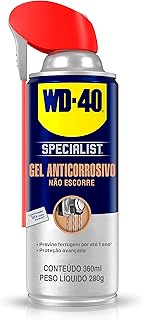
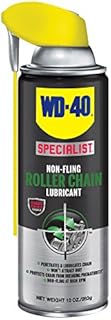
Corrosion Protection: Can WD-40 protect bike chains from rust and corrosion effectively?
WD-40 is a popular multi-purpose lubricant known for its ability to protect metal surfaces from rust and corrosion. When it comes to bike chains, the question of whether WD-40 can effectively prevent rust and corrosion is a common one. The answer is not straightforward, as WD-40 has both proponents and detractors in the cycling community.
On the one hand, WD-40 contains a blend of oils and waxes that can help to repel moisture and prevent rust from forming on metal surfaces. This makes it a potentially useful tool for protecting bike chains, especially in wet or humid conditions. Additionally, WD-40 is easy to apply and can be used on a variety of surfaces, making it a convenient option for cyclists who want a quick and easy way to protect their chains.
However, there are also some downsides to using WD-40 on bike chains. For example, WD-40 is not specifically formulated for use on bike chains, and some cyclists argue that it can actually attract dirt and grime, leading to a buildup of debris that can cause wear and tear on the chain. Additionally, WD-40 is a relatively heavy lubricant, which can make it difficult to apply precisely to the rollers and pins of a bike chain. This can lead to excess lubricant, which can again attract dirt and debris.
Ultimately, the effectiveness of WD-40 as a corrosion protector for bike chains will depend on a variety of factors, including the specific conditions in which the bike is ridden, the frequency of application, and the overall maintenance routine of the cyclist. While WD-40 can be a useful tool in the fight against rust and corrosion, it is important for cyclists to weigh the potential benefits against the drawbacks and to consider other options, such as specialized bike chain lubricants, that may be more effective in the long run.
Is the Triumph Bonneville a Good First Bike?
You may want to see also
Explore related products


Compatibility: Is WD-40 compatible with different types of bike chains and materials?
WD-40 is a versatile lubricant that has been used for various applications, including bike chains. However, its compatibility with different types of bike chains and materials is a subject of debate. While WD-40 can provide temporary relief from squeaking and rust, it is not specifically formulated for bike chains and may not be the best long-term solution.
One of the main concerns with using WD-40 on bike chains is that it can attract dirt and grime, leading to a buildup of debris that can cause wear and tear on the chain and other components. Additionally, WD-40 is not as effective at penetrating the rollers and pins of a bike chain as dedicated chain lubricants, which can lead to uneven lubrication and increased friction.
When it comes to compatibility with different materials, WD-40 is generally safe to use on metal bike chains, but it may not be suitable for chains made from other materials, such as plastic or ceramic. It is also important to note that WD-40 can damage certain types of seals and gaskets, so it is essential to check the manufacturer's recommendations before using it on your bike.
In conclusion, while WD-40 can provide temporary relief from squeaking and rust, it is not the best long-term solution for bike chain lubrication. Dedicated chain lubricants are specifically formulated to penetrate the rollers and pins of a bike chain, providing even lubrication and reducing friction. It is essential to choose a lubricant that is compatible with your bike chain material and to follow the manufacturer's recommendations for application and maintenance.
Exploring the Quality and Performance of Viribus Bikes: A Comprehensive Review
You may want to see also
Explore related products


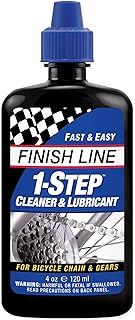


Performance Impact: How does WD-40 affect the performance and efficiency of a bike chain?
WD-40 is a popular lubricant known for its versatility, but its use on bike chains is a topic of debate among cyclists. While some swear by its ability to reduce friction and improve performance, others argue that it can actually harm the chain over time. The truth lies in understanding the specific properties of WD-40 and how they interact with the components of a bike chain.
One of the primary concerns with using WD-40 on a bike chain is its tendency to attract dirt and grime. Unlike dedicated bike chain lubricants, which are designed to repel contaminants, WD-40 can create a sticky residue that traps particles and accelerates wear. This can lead to increased friction, reduced efficiency, and ultimately, a shorter lifespan for the chain.
However, WD-40 does have some benefits when used correctly. Its penetrating properties can help to loosen and remove rust or corrosion, which can be particularly useful for older chains or those that have been exposed to harsh weather conditions. Additionally, WD-40 can provide a temporary reduction in friction, which may improve performance in the short term.
To mitigate the potential drawbacks of using WD-40, it's essential to use it sparingly and to clean the chain thoroughly after application. This can be done using a degreaser or a mixture of warm water and dish soap. After cleaning, the chain should be dried completely and then lubricated with a dedicated bike chain lubricant.
In conclusion, while WD-40 can have some positive effects on bike chain performance, its use should be approached with caution. Cyclists should weigh the potential benefits against the risks and consider using a dedicated bike chain lubricant for optimal results.
Exploring Wakrays Bikes: A Comprehensive Review of Quality and Performance
You may want to see also
Explore related products


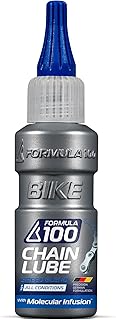


Environmental Impact: What are the environmental implications of using WD-40 on bike chains?
WD-40 is a popular lubricant used for various mechanical applications, including bike chains. However, its environmental impact is a growing concern among cyclists and environmentalists alike. The primary component of WD-40 is a blend of hydrocarbons, which can have detrimental effects on the environment if not disposed of properly. When applied to bike chains, excess WD-40 can drip onto the ground, potentially contaminating soil and water sources. This contamination can harm local ecosystems, affecting plant and animal life.
Furthermore, the production and disposal of WD-40 contribute to greenhouse gas emissions. The manufacturing process requires energy and resources, leading to a carbon footprint. Improper disposal, such as pouring it down the drain or throwing it in the trash, can result in the release of volatile organic compounds (VOCs) into the atmosphere, which contribute to air pollution and climate change.
Cyclists can mitigate the environmental impact of using WD-40 by following proper application and disposal methods. It's essential to use only the necessary amount of lubricant and to clean up any excess immediately. Additionally, cyclists should dispose of used WD-40 and its containers responsibly, following local regulations for hazardous waste disposal.
In conclusion, while WD-40 can be an effective lubricant for bike chains, its environmental implications cannot be ignored. Cyclists should be mindful of their usage and disposal habits to minimize the negative impact on the environment. Exploring alternative, eco-friendly lubricants may also be a viable option for those looking to reduce their environmental footprint.
Is the Versys 650 a Good Beginner Bike?
You may want to see also
Frequently asked questions
WD-40 is not specifically designed as a bike chain lubricant. While it can provide some level of lubrication, it lacks the necessary properties to protect and maintain bike chains effectively.
Using WD-40 on a bike chain can lead to several problems. It can attract dirt and grime, cause the chain to wear out faster, and may not provide adequate protection against rust and corrosion.
It is recommended to use a lubricant specifically designed for bike chains, such as a synthetic or wax-based lubricant. These lubricants are formulated to provide optimal performance, reduce wear, and protect against the elements.
The frequency of lubricating a bike chain depends on various factors, including riding conditions and the type of lubricant used. As a general guideline, it is recommended to lubricate the chain every 100-200 miles or after cleaning it.
To lubricate a bike chain properly, start by cleaning the chain with a degreaser and a brush. Once the chain is clean and dry, apply a small amount of lubricant to each roller while slowly rotating the pedals backward. Wipe off any excess lubricant with a clean cloth.