Megan Blake
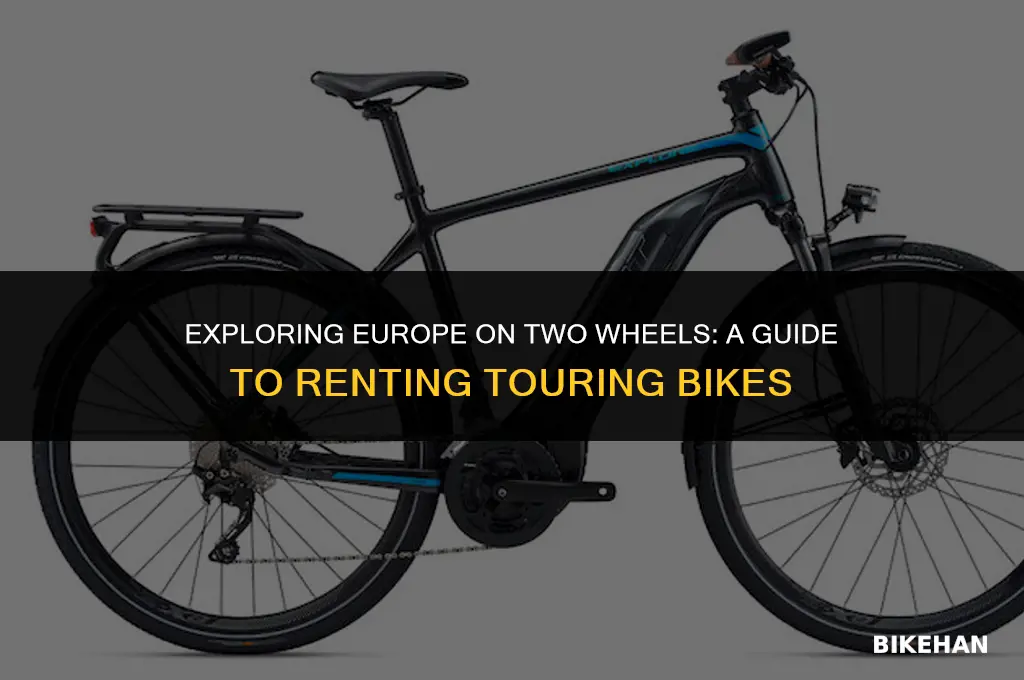
Embarking on a bike tour across Europe is an exhilarating adventure that combines physical challenge with cultural immersion. One of the key considerations for any prospective cyclist is the cost of renting a touring bike. Prices can vary significantly depending on the country, the duration of the rental, and the type of bike you choose. For instance, a basic touring bike in Eastern Europe might cost as little as €10-€15 per day, while a high-end model in Western Europe could set you back €30-€50 or more. Additionally, many rental companies offer discounts for longer rental periods or group bookings. It's also worth considering the cost of accessories such as helmets, locks, and panniers, which may be included in the rental price or available for an additional fee. By doing your research and comparing prices, you can find a rental option that fits your budget and ensures a comfortable and enjoyable journey through Europe's diverse landscapes and vibrant cities.
Explore related products


What You'll Learn
- Cost Breakdown: Daily rental rates, security deposits, and additional fees for touring bikes in Europe
- Rental Duration: Minimum and maximum rental periods, and discounts for longer-term rentals
- Bike Types: Variety of touring bikes available, including hybrid, road, and mountain bikes
- Rental Locations: Major cities and popular cycling routes in Europe with bike rental services
- Insurance and Maintenance: Coverage options for theft or damage, and maintenance responsibilities during the rental period

Cost Breakdown: Daily rental rates, security deposits, and additional fees for touring bikes in Europe
Analyzing the cost breakdown for renting a touring bike in Europe reveals several key components that contribute to the overall expense. Daily rental rates vary significantly depending on the country, city, and rental company, with prices ranging from €15 to €50 per day. For instance, in popular cycling destinations like the Netherlands and Germany, rates tend to be higher due to demand. In contrast, countries like Poland and Hungary offer more affordable options.
Security deposits are another crucial factor to consider. Most rental companies require a deposit to ensure the safe return of the bike, which can range from €50 to €200. This amount is typically refundable upon returning the bike in good condition, but it's essential to factor it into your budget. Some companies may also offer insurance options to cover potential damages, which can add an additional €5 to €10 per day to your rental cost.
Additional fees can also impact the total cost of renting a touring bike. These may include charges for accessories like helmets, locks, and panniers, as well as fees for bike delivery or pickup services. Some rental companies may also impose a fee for crossing international borders with the bike, which can range from €10 to €50 depending on the company and the countries involved.
To minimize costs, it's advisable to book your rental in advance, as prices tend to increase during peak tourist seasons. Additionally, consider renting from local, independent companies rather than large international chains, as they may offer more competitive rates and personalized service. Finally, be sure to carefully review the rental agreement and ask about any additional fees or charges before finalizing your booking to avoid unexpected expenses.
Optimal Pressure for 26-Inch Bike Tires: A Comprehensive Guide
You may want to see also
Explore related products


Rental Duration: Minimum and maximum rental periods, and discounts for longer-term rentals
The rental duration for touring bikes in Europe varies significantly depending on the rental company and the specific location. Typically, the minimum rental period is one day, but some companies may require a minimum of two or three days, especially during peak tourist seasons. The maximum rental period can range from a few days to several weeks, with some companies offering monthly rentals for long-term travelers.
Discounts for longer-term rentals are common in the touring bike rental industry. Many companies offer a tiered pricing structure, where the daily rental rate decreases as the rental period increases. For example, a one-day rental might cost €50, while a seven-day rental could cost €300, effectively reducing the daily rate to €42.86. Some companies also offer special promotions or loyalty discounts for repeat customers or longer rental periods.
When planning your touring bike rental in Europe, it's essential to consider your travel itinerary and the flexibility of your schedule. If you plan to travel for an extended period, it may be more cost-effective to rent a bike for a longer duration and take advantage of the discounts offered. However, if your schedule is tight or you're only planning to cycle for a few days, a shorter rental period may be more suitable.
It's also important to note that some rental companies may have specific requirements or restrictions for longer-term rentals. For instance, they may require a deposit or a credit card authorization for the full rental period. Additionally, some companies may limit the number of kilometers you can cycle per day or charge extra fees for exceeding a certain mileage.
In conclusion, understanding the rental duration options and discounts available for touring bike rentals in Europe can help you make an informed decision and save money on your cycling adventure. Be sure to research and compare different rental companies and their policies to find the best option for your needs and budget.
Peloton Bike Power Consumption: WiFi Connectivity Insights
You may want to see also
Explore related products


Bike Types: Variety of touring bikes available, including hybrid, road, and mountain bikes
When considering the variety of touring bikes available for rent in Europe, it's essential to understand the differences between hybrid, road, and mountain bikes to make an informed choice. Hybrid bikes are versatile and designed for both paved roads and light off-road trails, making them ideal for cyclists who plan to explore a mix of terrains during their European tour. Road bikes, on the other hand, are built for speed and efficiency on paved surfaces, featuring narrow tires and a lightweight frame that allows for long-distance rides with minimal effort. Mountain bikes are specifically designed for off-road adventures, with sturdy frames, wide tires, and advanced suspension systems to handle rough trails and challenging terrain.
The choice of bike type will depend on the specific routes and landscapes you plan to encounter during your tour. For example, if you're planning to ride through the scenic countryside of France or Italy, a road bike may be the best option, allowing you to cover long distances quickly and comfortably. However, if you're interested in exploring the mountainous regions of Switzerland or Austria, a mountain bike would be more suitable, providing the necessary stability and control for steep climbs and descents. Hybrid bikes offer a good middle ground for cyclists who want the flexibility to ride on both paved roads and light trails without having to switch bikes.
In addition to the type of bike, it's also important to consider the fit and comfort of the bike, as well as any additional accessories you may need for your tour. Many bike rental companies in Europe offer a range of sizes and styles to accommodate different riders, and some may also provide extras such as helmets, locks, and panniers for an additional fee. Be sure to check the rental company's policies and prices for these accessories to ensure you have everything you need for a safe and enjoyable cycling experience.
When renting a touring bike in Europe, it's also important to be aware of any local regulations or restrictions on cycling, as these can vary from country to country. Some areas may have designated bike lanes or paths, while others may require cyclists to share the road with motor vehicles. Familiarize yourself with the rules of the road and any specific cycling laws in the countries you plan to visit to ensure a safe and legal cycling experience.
Overall, the key to choosing the right touring bike for your European adventure is to carefully consider your planned routes, the type of terrain you'll be riding on, and your personal preferences for comfort and style. By selecting the appropriate bike type and ensuring a proper fit, you can enjoy a memorable and enjoyable cycling experience as you explore the beautiful landscapes and cultures of Europe.
Optimal Power Levels for Efficient Bike Charging
You may want to see also
Explore related products


Rental Locations: Major cities and popular cycling routes in Europe with bike rental services
Major cities across Europe are hubs for bike rental services, catering to both tourists and locals who prefer cycling as a mode of transport. Cities like Amsterdam, Copenhagen, and Berlin are renowned for their extensive cycling infrastructure and offer numerous bike rental options. These services often provide a range of bicycles, from standard city bikes to more specialized touring bikes, equipped with features like racks and panniers for long-distance travel.
Popular cycling routes, such as the Camino de Santiago in Spain or the Danube Cycle Path stretching from Germany to Romania, also have well-established bike rental services along their routes. These services are strategically located at key points, allowing cyclists to rent bikes for a day or longer periods as they explore the scenic landscapes and cultural attractions along the way.
In addition to traditional bike rental shops, many European cities now offer bike-sharing programs. These programs allow users to rent bikes for short periods, typically by the hour or minute, from automated docking stations scattered throughout the city. This flexible rental option is ideal for short trips or for those who want to explore the city at their own pace without the commitment of a longer rental period.
When renting a bike in Europe, it's important to consider the type of bike that best suits your needs. For city exploration, a standard city bike may suffice, while for longer tours or more challenging terrain, a touring bike or mountain bike may be more appropriate. Rental prices vary depending on the type of bike, the duration of the rental, and the location. In general, expect to pay more for specialized bikes and longer rental periods.
To get the best deal on bike rentals, it's advisable to book in advance, especially during peak tourist seasons. Many rental shops offer discounts for online bookings or for rentals of multiple days. Additionally, some bike rental services may offer guided tours or provide maps and recommendations for popular cycling routes, adding value to your rental experience.
In conclusion, Europe offers a wide range of bike rental options in major cities and along popular cycling routes. By choosing the right type of bike and booking in advance, cyclists can enjoy a convenient and cost-effective way to explore Europe's urban and rural landscapes.
Pedal Power: Maximizing Passenger Capacity on Solar-Powered Bikes
You may want to see also
Insurance and Maintenance: Coverage options for theft or damage, and maintenance responsibilities during the rental period
Rental bike insurance in Europe typically covers theft and damage to the bike, but the extent of coverage can vary widely between providers. Some policies may include comprehensive coverage for all types of damage, while others may have exclusions for certain types of incidents, such as accidents caused by rider negligence. It's essential to carefully review the terms and conditions of any insurance policy before purchasing to ensure that it meets your specific needs.
In addition to insurance, maintenance responsibilities during the rental period are also an important consideration. Some rental companies may provide basic maintenance services, such as tire inflation and brake adjustments, while others may expect the renter to perform these tasks themselves. It's important to clarify these responsibilities upfront to avoid any surprises or additional costs during the rental period.
When comparing insurance and maintenance options, it's helpful to consider the overall cost of the rental, as well as the potential risks and liabilities associated with each option. For example, a more expensive insurance policy may provide greater peace of mind and financial protection in the event of a theft or damage, while a less expensive policy may leave you more vulnerable to out-of-pocket expenses.
Ultimately, the decision of which insurance and maintenance options to choose will depend on your individual needs and preferences. However, by carefully considering the available options and their associated costs and benefits, you can make an informed decision that will help ensure a safe and enjoyable bike rental experience in Europe.
Exploring the Cost of Peloton Bikes: A Comprehensive Guide
You may want to see also
Frequently asked questions
The average cost of renting a touring bike in Europe per day can vary widely depending on the country and the rental company. As of June 2024, prices can range from approximately €15 to €50 per day.
Yes, in addition to the daily rental rate, you may encounter additional fees such as a security deposit, insurance, and potential surcharges for accessories like helmets, locks, and panniers. It's important to check with the rental company for a full breakdown of costs.
To find the best deals on touring bike rentals in Europe, consider booking in advance, comparing prices across different rental companies, and looking for discounts or promotions. Additionally, renting from local bike shops rather than international chains might offer more competitive pricing.
The best type of bike for touring in Europe depends on your preferences and the terrain you plan to ride. Generally, a touring bike with a sturdy frame, comfortable riding position, and capacity for carrying luggage is ideal. Hybrid bikes and gravel bikes are also popular choices for their versatility.
While the basic bike rental usually includes the bike itself, you may need to rent or bring additional accessories such as a helmet, lock, lights, and panniers or saddlebags for carrying your belongings. Some rental companies offer these items for an additional fee, while others may require you to bring your own.