Megan Blake
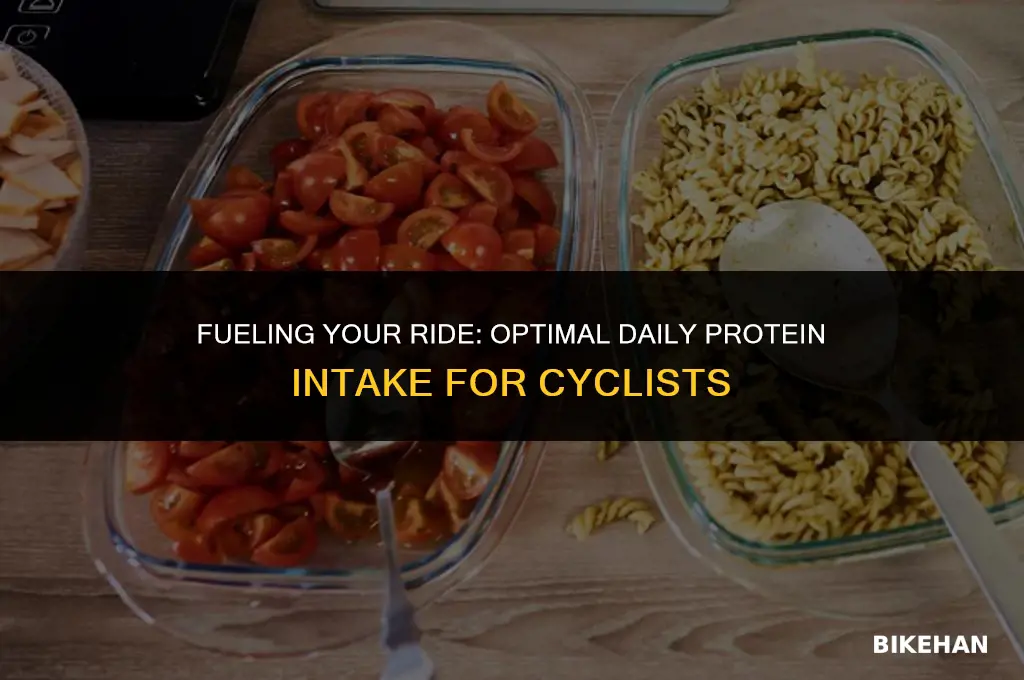
For bikers, determining the right amount of protein to consume daily is crucial for optimizing performance and recovery. Protein plays a vital role in muscle repair and growth, which is especially important for cyclists who engage in strenuous workouts and long rides. The general recommendation for athletes is to consume between 1.2 to 2.0 grams of protein per kilogram of body weight per day. However, factors such as the intensity and duration of cycling sessions, individual fitness goals, and overall diet composition can influence these needs. For instance, endurance cyclists may benefit from slightly lower protein intakes compared to those focusing on strength and power. It's also important to consider the timing of protein intake, with consumption within 30 minutes to an hour post-ride being particularly beneficial for muscle recovery.
Explore related products



What You'll Learn
- Protein Basics: Understanding protein's role in muscle repair and growth for cyclists
- Daily Requirements: Calculating protein needs based on body weight and cycling intensity
- Protein Sources: Identifying high-quality protein sources suitable for a cyclist's diet
- Timing and Distribution: Optimizing protein intake timing for muscle recovery and performance
- Supplements: Evaluating the need for protein supplements in a cyclist's nutrition plan

Protein Basics: Understanding protein's role in muscle repair and growth for cyclists
Proteins are the building blocks of muscle tissue, and for cyclists, they play a crucial role in repair and growth. When you cycle, your muscles undergo micro-tears, and protein is essential for mending these tears and building new muscle fibers. This process is known as muscle protein synthesis.
The amount of protein you need as a cyclist depends on various factors, including your body weight, the intensity of your cycling sessions, and your overall fitness goals. A general guideline is to consume 1.2 to 1.7 grams of protein per kilogram of body weight daily. However, if you're a serious cyclist or training for a competition, you may need more.
Timing is also important when it comes to protein intake for muscle repair and growth. Consuming protein within 30 minutes to an hour after a cycling session can help maximize muscle protein synthesis. This is because your muscles are most receptive to protein uptake during this time.
In addition to the timing, the type of protein you consume matters. High-quality proteins, such as those found in lean meats, fish, eggs, and dairy products, provide all the essential amino acids your body needs to build and repair muscle tissue. Plant-based proteins, like those found in beans, lentils, and tofu, can also be effective, but they may require more planning to ensure you're getting all the essential amino acids.
Remember, while protein is essential for muscle repair and growth, it's not the only nutrient that matters. A balanced diet that includes carbohydrates, healthy fats, vitamins, and minerals is also crucial for overall health and cycling performance.
Optimal Pressure for 26-Inch Bike Tires: A Comprehensive Guide
You may want to see also
Explore related products


Daily Requirements: Calculating protein needs based on body weight and cycling intensity
To determine the daily protein requirements for cyclists, it's essential to consider both body weight and the intensity of cycling activity. A general guideline is to consume 1.2 to 1.7 grams of protein per kilogram of body weight. For example, a cyclist weighing 70 kg should aim for 84 to 119 grams of protein daily. However, this range can vary based on the cyclist's specific needs and goals.
For cyclists engaging in moderate to high-intensity training, protein needs may increase to support muscle repair and growth. A study published in the Journal of the International Society of Sports Nutrition suggests that cyclists should consume 1.6 to 2.4 grams of protein per kilogram of body weight to optimize performance and recovery. This means a 70 kg cyclist could need up to 168 grams of protein per day during intense training periods.
It's also important to consider the timing of protein intake. Consuming protein within 30 minutes to an hour after a ride can help with muscle recovery. Additionally, spreading protein intake evenly throughout the day can ensure a steady supply of amino acids for muscle synthesis.
Cyclists should also be mindful of their overall diet and ensure they are consuming a balanced mix of carbohydrates, fats, and proteins. A dietitian or nutritionist can provide personalized advice based on individual needs and goals.
In summary, calculating protein needs for cyclists involves considering body weight and cycling intensity. A general range of 1.2 to 1.7 grams of protein per kilogram of body weight is a good starting point, but this may need to be adjusted based on training intensity and individual goals. Proper timing and balance of protein intake are also crucial for optimal performance and recovery.
Unleashing the Beast: Power Output of Pro Motocross Bikes Explained
You may want to see also
Explore related products


Protein Sources: Identifying high-quality protein sources suitable for a cyclist's diet
Cyclists require high-quality protein sources to support muscle repair and growth, especially after intense rides. One excellent source of protein for cyclists is lean meats such as chicken, turkey, and fish. These meats are not only rich in protein but also provide essential amino acids that are crucial for muscle recovery. For example, chicken breast contains approximately 26 grams of protein per 100 grams, making it an ideal choice for post-ride meals.
Another high-quality protein source for cyclists is eggs. Eggs are a complete protein, meaning they contain all nine essential amino acids. They are also rich in vitamins and minerals, such as vitamin D and choline, which are important for overall health and performance. Cyclists can incorporate eggs into their diet by having them for breakfast, adding them to salads, or using them in smoothies.
Dairy products, such as milk, cheese, and yogurt, are also excellent sources of protein for cyclists. Dairy is rich in casein protein, which is a slow-digesting protein that can help prevent muscle breakdown during long rides. Additionally, dairy products are a good source of calcium, which is important for bone health. Cyclists can include dairy in their diet by having a glass of milk after a ride, adding cheese to sandwiches, or using yogurt as a base for smoothies.
Plant-based protein sources, such as beans, lentils, and tofu, are also suitable for cyclists. These foods are not only rich in protein but also provide fiber, vitamins, and minerals. For example, lentils contain approximately 18 grams of protein per 100 grams and are also a good source of iron and folate. Cyclists can incorporate plant-based proteins into their diet by adding beans to salads, using lentils in soups, or using tofu in stir-fries.
Finally, cyclists should also consider protein supplements, such as whey protein powder, to help meet their protein needs. Whey protein is a fast-digesting protein that can help promote muscle recovery after intense rides. Cyclists can add whey protein powder to smoothies, shakes, or oatmeal to increase their protein intake.
In summary, cyclists should focus on incorporating a variety of high-quality protein sources into their diet, including lean meats, eggs, dairy products, plant-based proteins, and protein supplements. By doing so, they can support muscle repair and growth, and ultimately improve their performance on the bike.
Exploring the Price Range of Peloton Bikes: A Comprehensive Guide
You may want to see also
Explore related products


Timing and Distribution: Optimizing protein intake timing for muscle recovery and performance
To optimize muscle recovery and performance, it's crucial to consider not just the amount of protein consumed, but also the timing and distribution of intake throughout the day. Research suggests that spreading protein intake evenly across meals can enhance muscle protein synthesis and reduce muscle breakdown. For bikers, who often engage in prolonged periods of exercise, this can be particularly beneficial. Consuming protein before a ride can help reduce muscle damage, while intake after a ride aids in recovery. Additionally, incorporating protein into snacks between meals can help maintain a steady supply of amino acids for muscle repair and growth. It's recommended to aim for a balance, ensuring that each meal contains a sufficient amount of protein to support muscle health without overloading the body.
Exploring the Cost of Powder Coating Your Bike Frame
You may want to see also
Explore related products


Supplements: Evaluating the need for protein supplements in a cyclist's nutrition plan
Cyclists often wonder whether they need to supplement their diet with additional protein to support their training and recovery. While it's true that protein is essential for muscle repair and growth, the necessity of supplements depends on several factors, including the cyclist's diet, training intensity, and individual protein needs.
To evaluate the need for protein supplements, cyclists should first assess their current protein intake. The general recommendation for athletes is to consume 1.2-1.7 grams of protein per kilogram of body weight daily. However, cyclists who engage in high-intensity training or long-duration rides may require more protein to support muscle recovery and prevent breakdown.
One way to determine protein needs is to track daily protein intake and monitor how the body responds. If a cyclist is struggling to meet their protein needs through whole foods alone, supplements can be a convenient and effective way to bridge the gap. Protein supplements come in various forms, including whey, casein, soy, and pea protein, each with its own benefits and drawbacks.
Whey protein, for example, is a fast-digesting protein that is high in essential amino acids, making it a popular choice for post-ride recovery. Casein protein, on the other hand, is a slow-digesting protein that can help prevent muscle breakdown during long periods of fasting, such as overnight. Plant-based proteins like soy and pea protein are also effective options for cyclists who follow a vegetarian or vegan diet.
When choosing a protein supplement, cyclists should consider factors such as taste, digestibility, and cost. It's also important to select a supplement from a reputable brand that has been tested for quality and purity. Ultimately, while protein supplements can be a useful tool for cyclists, they should not replace a well-balanced diet that includes a variety of whole foods.
Revamping Your Ride: A Guide to Spray Painting Your Bike Frame
You may want to see also
Frequently asked questions
A biker should aim to consume 1.2 to 1.7 grams of protein per kilogram of body weight daily to support muscle recovery and growth.
High-protein foods that bikers can include in their diet are lean meats, fish, eggs, dairy products, legumes, nuts, and seeds.
Consuming protein within 30 minutes to an hour after a ride can help with muscle recovery and growth, but it's not absolutely necessary.
Yes, bikers can meet their protein needs through plant-based sources alone by consuming a variety of legumes, nuts, seeds, and whole grains.
Protein supplements can be a convenient way to increase protein intake, but they should not replace whole foods. It's best to consult with a healthcare professional or registered dietitian before adding supplements to your diet.